Most scuba divers believed they rarely touched reefs; underwater observers found more..
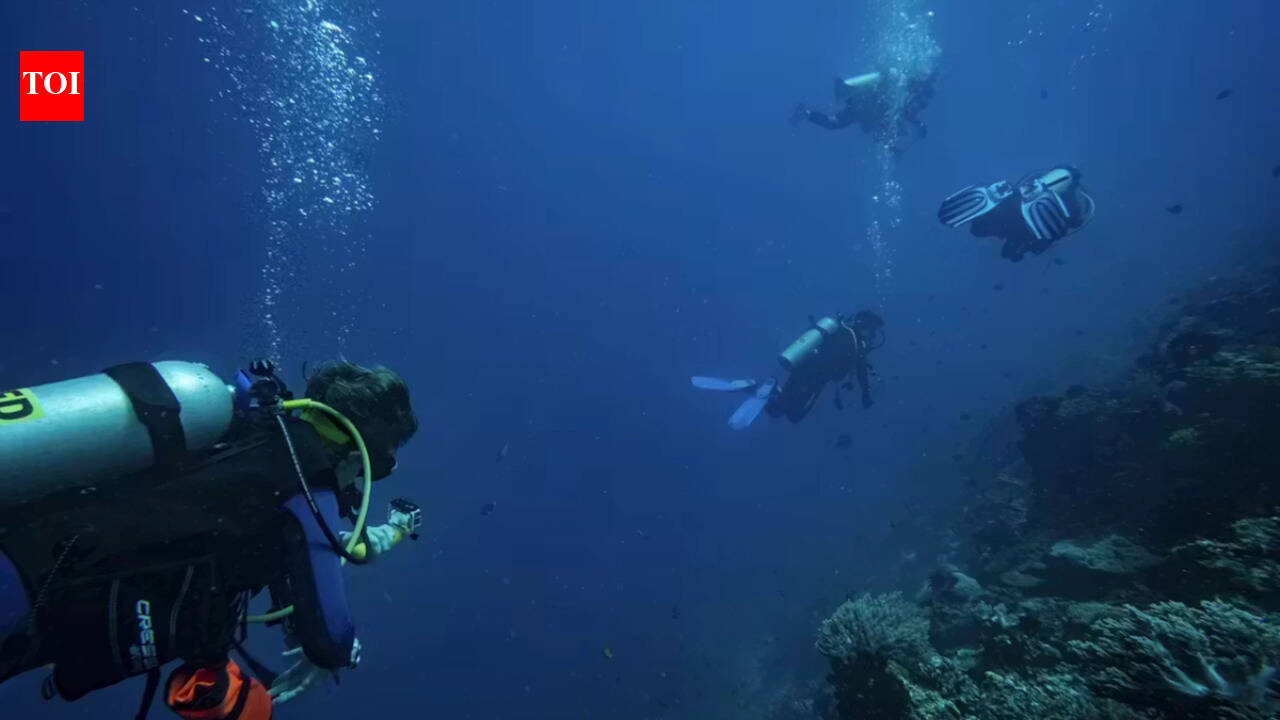
A researcher following scuba divers for this project Overconfidence beneath the surface A scuba diver stirs up sediment at a coral restoration site in Bali
A researcher following scuba divers for this project Overconfidence beneath the surface A scuba diver stirs up sediment at a coral restoration site in Bali, Indonesia. Social cues and big marine encounters Practical steps for marine tourism Most scuba divers believe they rarely touch fragile seabed ecosystems, yet underwater observers tracking hundreds of tourists found that more than 40 per cent of their physical contacts caused visible damage to living coral structures.Research published in The Conversation by marine scientists and dive professionals revealed that recreational divers make physical contact with the reef an average of once every four minutes. When surveyed immediately after returning to the boat, those same divers underestimated their actual contact frequency by almost fivefold, with many remaining completely unaware of the collisions they had caused.The researchers spent hundreds of hours following, observing, and surveying 732 recreational scuba divers across world-famous marine destinations in Indonesia and the Philippines. The investigation aimed to measure the direct environmental impact of marine ecotourism at a time when global coral systems face unprecedented stress from climate change, coastal development, and human activity.Each year, millions of people dive beneath the surface to experience coral reefs first-hand, generating vital income for coastal communities and helping tourists understand why these ecosystems matter.However, the study highlights a growing conservation challenge, as a single misplaced fin, hand, or camera adds to the heavy pressures reefs already endure.The survey data exposed a sharp disconnect between how divers view their underwater skills and how they perform in the water.
Among the participants surveyed, 69 per cent rated themselves "above average" at avoiding intentional reef contacts, while 86 per cent classed themselves "above average" at avoiding accidental bumps.Despite these high self-assessments, more than 40 per cent of all recorded physical touches resulted in direct harm, including broken coral branches or clouds of sediment kicked up onto living coral tissues. The study found that the divers making the most frequent contacts were also the most overconfident about their buoyancy control and underwater swimming technique.The authors noted that this pattern fits the Dunning-Kruger effect, a well-established psychological phenomenon where individuals with lower skill levels fail to recognise their own limitations. Because most damaging strikes are accidental and happen out of the diver's direct line of sight, individuals rarely realise they are causing harm, removing any perceived need to fix their technique or adjust their position in the water column.Underwater behaviour was also heavily influenced by social dynamics and environmental triggers on the dive site. Researchers recorded clear evidence of social contagion, a process where one diver touching or resting on the reef led nearby swimmers to unconsciously copy the action.
 The BriefWire