Ghana's community service bill: A fix for the prison crisis?
The community service bill offers community service as an alternative to prison sentences, particularly for minor offenses. It's meant to decongest Ghana's prisons and prevent
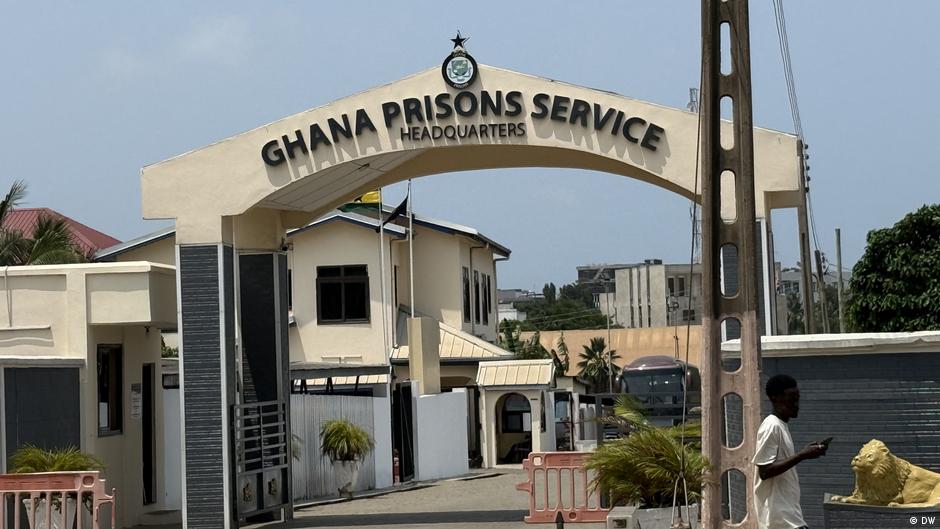
The community service bill offers community service as an alternative to prison sentences, particularly for minor offenses. It's meant to decongest Ghana's prisons and prevent overcrowding once it's signed into law. Ghana's parliament recently passed the Community Service Bill, 2026. The piece of legislation is designed to introduce community service as an alternative to custodial sentences for minor offenses. The bill also seeks to ease pressure on the country's overcrowded prisons and reshape how justice is administered for minor crimes. The legislation establishes a Community Service Secretariat and provides a legal framework for courts to impose community service in Ghana instead of imprisonment for specified offenses. According to the government, the move will reduce the financial strain of maintaining prison facilities, which have long suffered from inadequate budgets, high medical costs and chronic congestion. Ghana's parliament has passed the community service bill and now it only awaits President Mahama's signature to become law Image: Misper Apawu/AP Photo/picture alliance "If you check the current prison population, overcrowding is over 37%. We have a current population of over 13,000 prisoners. Today the cost of maintaining them, feeding them alone, requires 10 million cedis (€752,000, $859,000) a quarter," Ghana's Interior Minister, Muntaka Mubarak, who tabled the bill in parliament, told the house during a debate. Which offenses are covered under the community service bill?
Under the bill, community service applies to offenses punishable by not more than three years' imprisonment, with or without a fine. Courts may also impose community service for offenses that carry fines alone or fines combined with imprisonment. This means petty crimes such as false publication or traffic offenses could now attract noncustodial penalties. Legal practitioner Christian Malm Hesse described the bill as "a step in the right direction," noting its potential to reduce prison overcrowding. He told DW that the bill provides a structured alternative for misdemeanor offenses that previously defaulted to custodial sentences. However, some Ghanaians believe that its effectiveness will depend on proper categorization of offenses and public education. According to DW correspondent Eric Mawuena Egbeta, many Ghanaians still need clarity on which offenses qualify. "An offense which is higher than a misdemeanor would mean that you will not get a community sentence… a lot more persons would need education on it," Egbeta said. For legal practitioners like Hesse, one key safeguard in the bill is the requirement for a social inquiry report, which helps judges assess an offender's background, circumstances, and suitability for community service. Hesse said such measures ensure that sentencing decisions are informed and consistent, reducing the risk of arbitrary application. Africa's shift toward noncustodial sentencing Ghana's new passage aligns with a growing trend across Africa, where countries such as Nigeria, Kenya, Zimbabwe, Malawi, Tanzania and Uganda have adopted similar noncustodial sentencing legislation.
 The BriefWire