In 1992, Hurricane Andrew may have helped giant Burmese pythons spread across Florida's Everglades, creating one of America's worst invasive species crises
How Hurricane Andrew helped reshape Florida's python invasion The invasive snake that reshaped one of America's most fragile ecosystems Why Burmese python populations in the
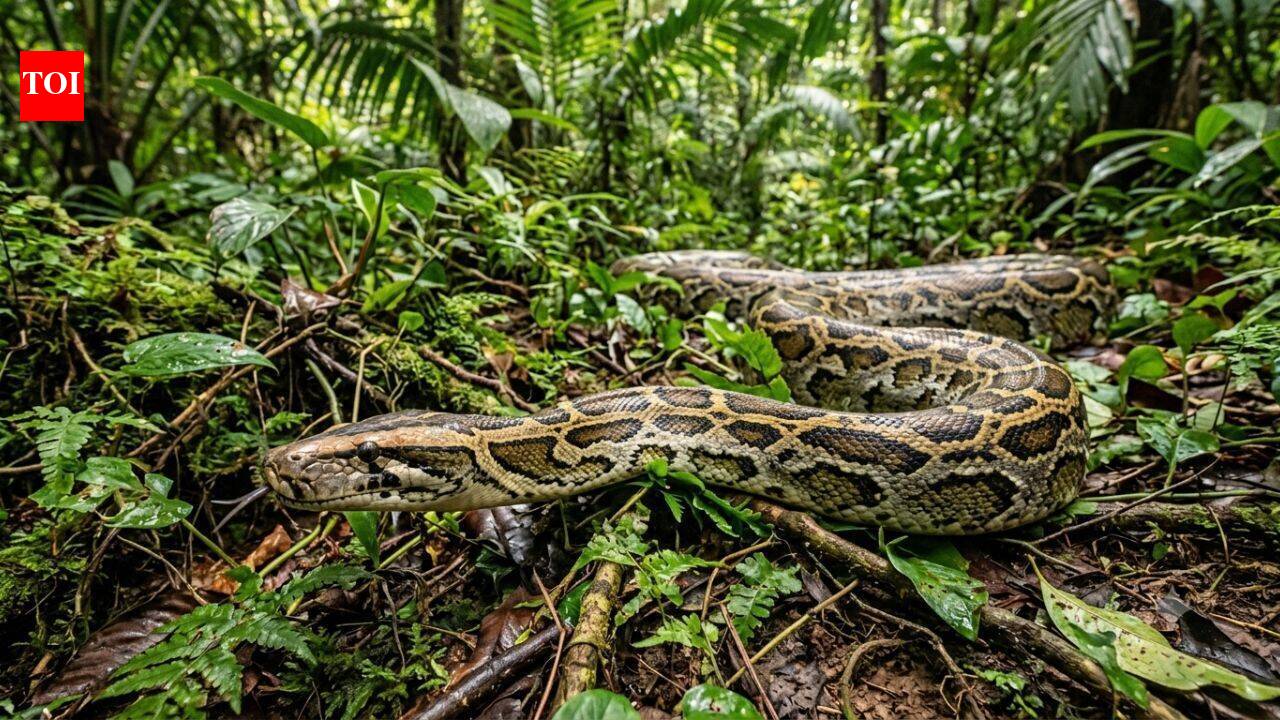
How Hurricane Andrew helped reshape Florida's python invasion The invasive snake that reshaped one of America's most fragile ecosystems Why Burmese python populations in the Everglades remain a mystery Attempts to remove the invasive snakes Searching for new ways to control the species For decades, Florida’s Everglades have faced a silent invasion unfolding beneath the dense vegetation and winding waterways. What began with the arrival of Burmese pythons through the exotic pet trade has become one of the most significant wildlife challenges in the United States. The turning point came around 1992, when Hurricane Andrew damaged facilities in South Florida and may have helped release snakes into the wild. Since then, these giant predators have adapted to the warm, wet environment of the Everglades, growing in numbers and reshaping the natural balance. With few predators capable of controlling them, Burmese pythons have preyed on native mammals, birds and other wildlife. Scientists and officials continue to search for solutions as the invasive snakes remain deeply established in one of America’s most unique ecosystems.The Burmese python is a native of Southeast Asia and can be found in forests, grasslands, and wetlands. The large size and distinct features of the python made it very popular in the exotic pet trade in America in the 1980s as people wanted to keep unique animals as pets.South Florida presented an ideal habitat for the snake due to its tropical climate and abundance of wetlands.
Many Burmese pythons were brought into South Florida in the exotic pet trade. Some escaped from captivity while some were purposely released by their owners.While there is no certain date for when the Everglades population became firmly established, the most commonly cited one is associated with Hurricane Andrew in 1992. The hurricane caused severe damage to a local reptile breeding establishment and some of the snakes managed to escape. At the time when researchers started noticing the phenomenon, the pythons had already been reproducing in the wetlands.The Everglades offered almost everything the snakes needed: warm temperatures, dense vegetation, plentiful prey and few threats from other animals.Adult Burmese pythons can grow more than 15 feet long, with some individuals reaching even greater lengths. They are ambush hunters, relying on camouflage and patience rather than speed. A python may remain hidden for hours before striking when an animal comes close.In the Everglades, native mammals had little experience with such a large snake. Animals that evolved alongside smaller predators were suddenly exposed to a new type of hunter.The impact became especially visible among small and medium-sized mammals. Populations of raccoons, opossums and bobcats declined sharply in areas where python numbers increased. Rabbits and foxes became far less common, with some species nearly disappearing from parts of their former range.The snakes have also been found feeding on a wide variety of wildlife, including birds and larger animals such as deer.
 The BriefWire