Your Jeans' Tiny Front Pocket Is NOT For Coins. Find Out The 150-Year-Old Reason It Exists
Your Jeans' Tiny Front Pocket Is NOT For Coins. Find Out The 150-Year-Old Reason It Exists Published By, Last Updated: July 27, 2026, 18:09 IST
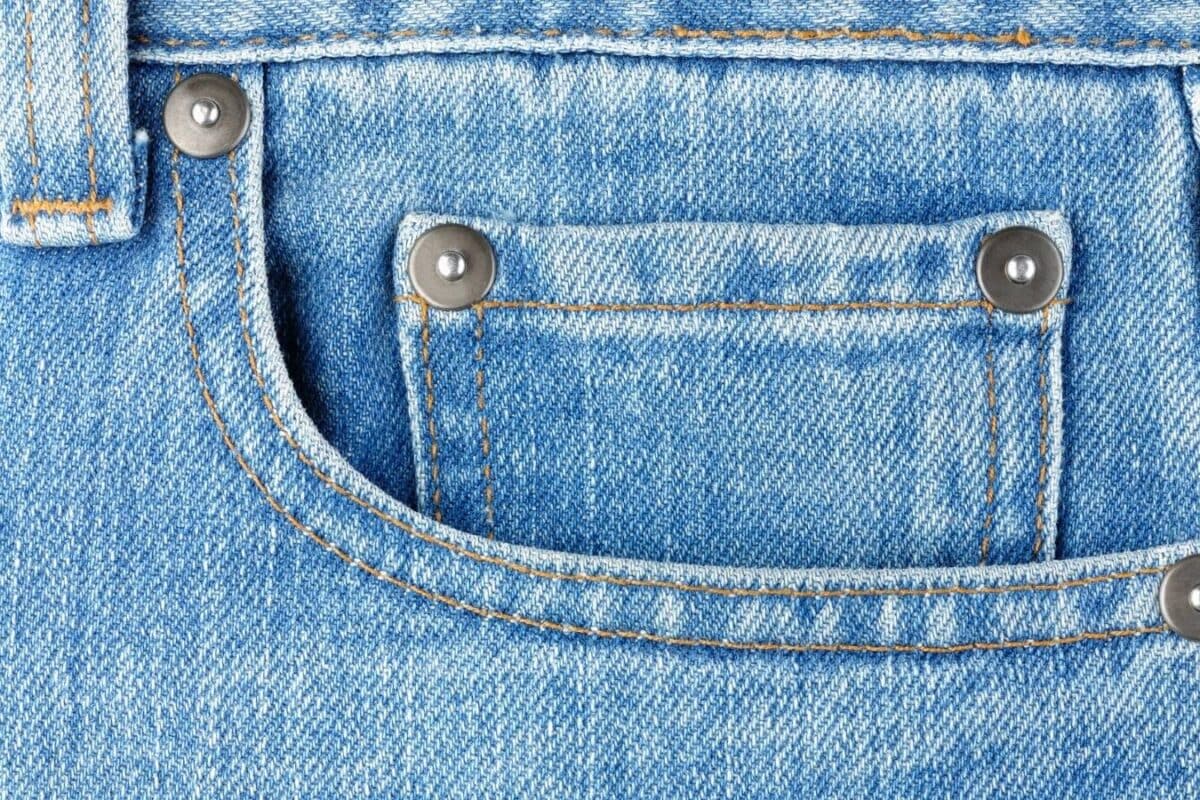
Your Jeans' Tiny Front Pocket Is NOT For Coins. Find Out The 150-Year-Old Reason It Exists Published By, Last Updated: July 27, 2026, 18:09 IST Despite losing its original utility, denim manufacturers continued to stitch the fifth pocket onto jeans after the war as a signature design element. Levi’s introduced a small, tightly contoured pouch sewn directly into the upper edge of the right front pocket. Tucked inside the front right pocket of almost every pair of blue jeans sits a miniature, secondary pouch. While modern wearers use it for spare coins, key fobs or wireless earbuds, this tiny compartment was not created as a casual catch-all for small items. It was engineered in the late 19th century to address a very specific need of working-class laborers: protecting delicate pocket watches from damage on the job.
1. The 1873 Pioneer Workwear Patent When Levi Strauss and tailor Jacob Davis patented the world’s first riveted denim work pants- then known as “waist overalls"- in 1873, the design was aimed squarely at miners, cowboys, carpenters and railroad crews in the American West. At the time, wristwatches were not worn by everyday men. Laborers relied on chain-bound pocket watches to track time during long shifts. Storing a glass-and-metal watch in a standard trouser pocket alongside heavy iron tools, nails and rough stones frequently scratched the face or shattered the glass during heavy physical labor. 2. Dedicated Safeguard For Timepieces To protect these essential instruments, Levi’s introduced a small, tightly contoured pouch sewn directly into the upper edge of the right front pocket.
The snug design held a standard pocket watch firmly against the wearer’s hip, preventing it from jostling, sliding out, or colliding with other objects. This kept the main pocket clear for larger tools while allowing workers to easily pull the watch out by its chain without searching through loose items. 3. Lasting Design Tradition By the mid-20th century, wristwatches had replaced pocket watches, rendering the original purpose of the tiny compartment obsolete. During World War II, metal rationing even prompted Levi’s to temporarily strip the corner rivets from the watch pocket to conserve steel for the military. Despite losing its original utility, denim manufacturers continued to stitch the fifth pocket onto jeans after the war as a signature design element. Over 150 years later, what began as a practical safety feature for 19th-century gold miners remains an enduring standard in modern everyday apparel.
 The BriefWire