Russian billionaire sued a paint company for $100 million because his $300 million superyacht was not shiny enough, then spent $30 million repainting it
Why Andrey Melnichenko sued over the paint on Motor Yacht A What was included in the $100 million lawsuit? AkzoNobel insisted the paint was not
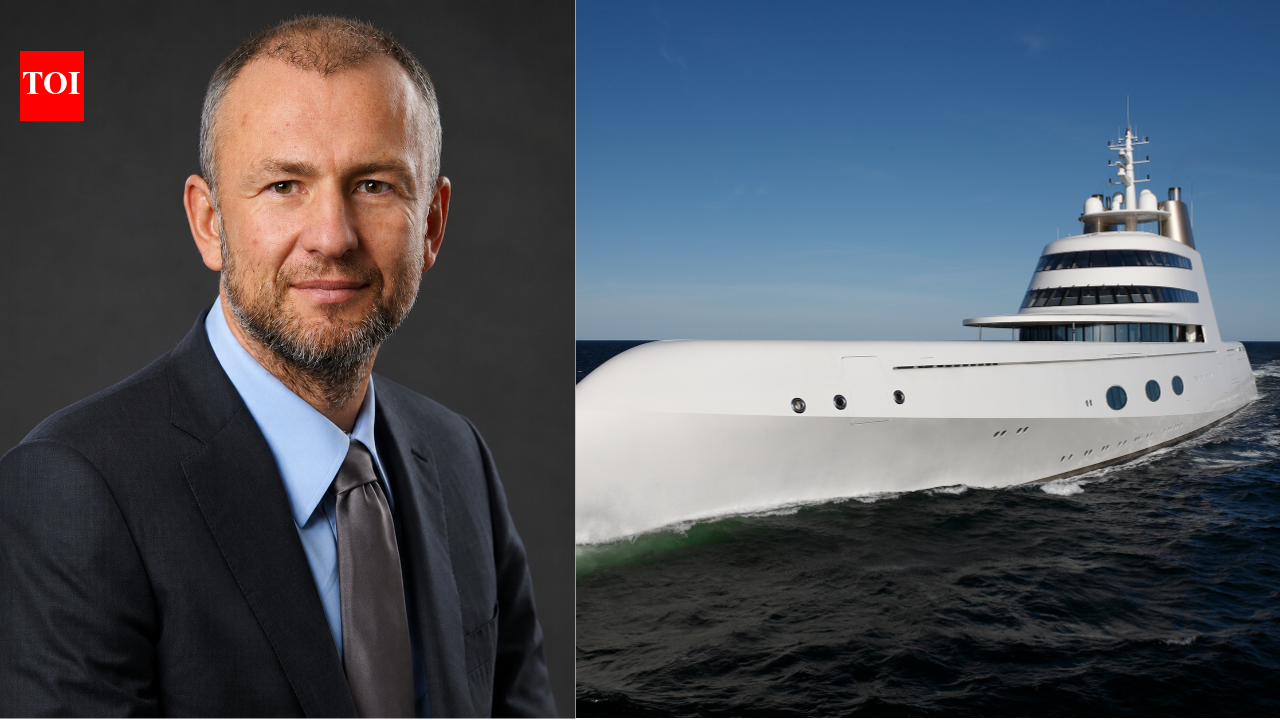
Why Andrey Melnichenko sued over the paint on Motor Yacht A What was included in the $100 million lawsuit? AkzoNobel insisted the paint was not defective How the dispute became one of the biggest legal battles in yachting Why Melnichenko still spent $30 million repainting the yacht Inside the futuristic $300 million superyacht Where is Motor Yacht A today? When Russian billionaire Andrey Melnichenko commissioned Motor Yacht A, he wanted a vessel that would redefine luxury yachting. Designed by Philippe Starck and built by German shipyard Blohm+Voss, the futuristic superyacht quickly became one of the most recognisable private vessels in the world. But instead of making headlines solely for its radical design, it became the centre of one of the most unusual legal battles in maritime history. Dissatisfied with the yacht's glossy finish, Melnichenko sued Dutch paint manufacturer AkzoNobel for more than $100 million, claiming the vessel failed to achieve the mirror-like shine he had been promised. Even as the lawsuit made its way through the courts, the billionaire reportedly authorised another complete repaint that cost around $30 million, turning an already extraordinary dispute into one of the most talked-about cases in the world of luxury yachts.Luxury yacht disputes are usually triggered by mechanical failures, construction delays or structural defects. Melnichenko's complaint was entirely different. It centred on the appearance of the yacht's exterior, with the billionaire arguing that the finish failed to deliver the flawless, mirror-like surface promised during construction.According to the lawsuit filed in the US District Court in New Jersey, the yacht displayed visible "lines and sags", rash, blotching, separation, starring and an overall cloudy appearance when viewed in direct sunlight.For a vessel intended to become an icon of modern design, Melnichenko believed those imperfections undermined its visual impact.The complaint also revealed that AkzoNobel had already repainted the yacht once at its own expense after the initial concerns were raised.
Even after the second attempt, however, Melnichenko remained dissatisfied, prompting him to pursue more than $100 million in damages.The legal claim extended far beyond simply paying for another coat of paint. Court filings showed that Melnichenko sought compensation for stripping and repainting the entire vessel, together with the financial losses associated with taking one of the world's most expensive private yachts out of service.The repairs were expected to leave Motor Yacht A unavailable for at least 18 months. During that period, the lawsuit claimed the billionaire would need to charter another superyacht to maintain access to a vessel of a similar standard. Reports at the time suggested that approximately $72 million of the damages related solely to hiring a replacement yacht, making it the single largest component of the claim. Additional compensation was also sought for legal fees and other associated costs.The scale of the lawsuit quickly attracted international attention, with many describing it as one of the largest product liability claims ever brought in relation to a superyacht.AkzoNobel strongly rejected the allegations and argued that dissatisfaction with the yacht's appearance did not amount to legally recognisable damage under New Jersey product liability law.The company maintained that any changes to the finish resulted from normal exposure to sunlight, saltwater and the harsh marine environment rather than defective paint. It also argued that the complaint effectively alleged the paint had damaged only itself instead of the yacht, making the legal basis of the claim questionable.During the proceedings, expert witnesses reportedly stated there were no significant defects affecting the yacht's reflectivity. Independent inspections were also said to have found no meaningful problems with the finish, while AkzoNobel argued that portions of the work had previously been accepted by the owners. The case ultimately became a battle of technical reports, expert testimony and differing interpretations of what constituted a flawless finish on one of the world's most expensive yachts.As the litigation progressed, it grew into one of the most extensive legal disputes ever involving a luxury yacht.
 The BriefWire