'UP Ke Ladke' To Jantar Mantar: How Rahul-Akhilesh Recast NEET Protest And Why UP Is Watching
'UP Ke Ladke' To Jantar Mantar: How Rahul-Akhilesh Recast NEET Protest And Why UP Is Watching Reported By, Last Updated: July 27, 2026, 15:34 IST
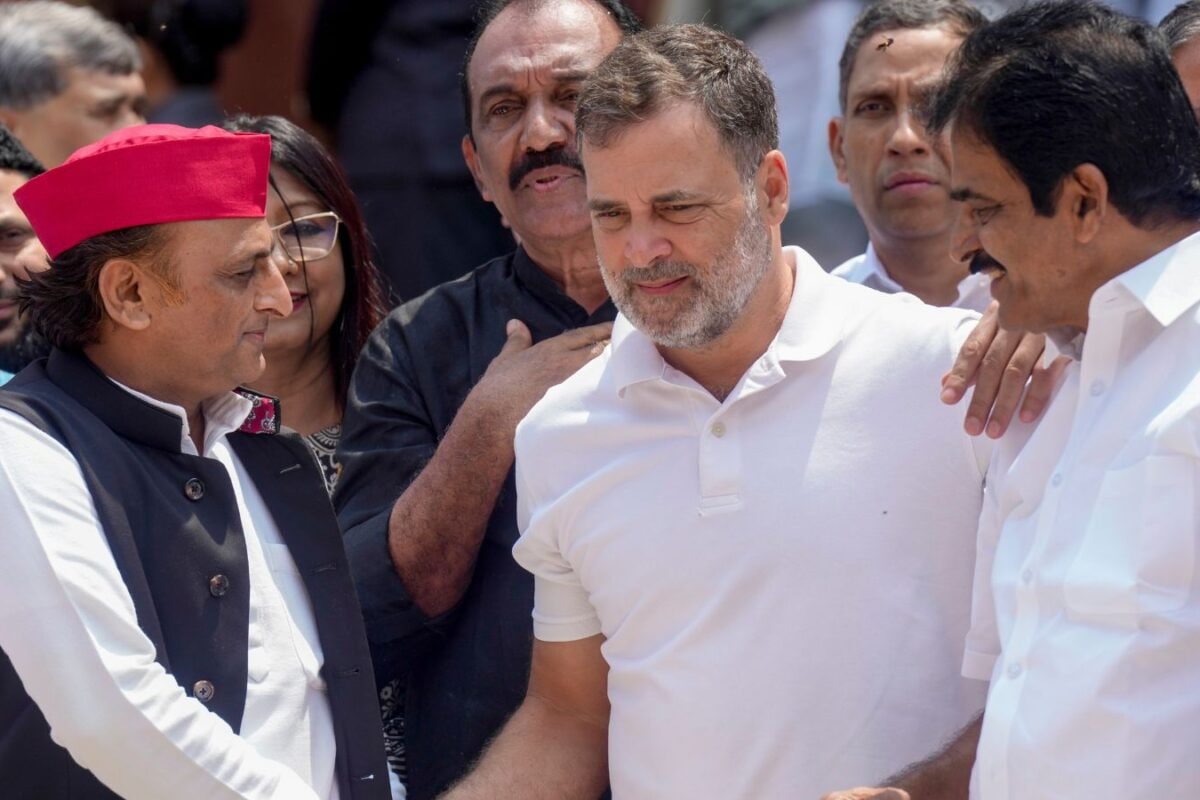
'UP Ke Ladke' To Jantar Mantar: How Rahul-Akhilesh Recast NEET Protest And Why UP Is Watching Reported By, Last Updated: July 27, 2026, 15:34 IST The ‘UP Ke Ladke’ image has not fully returned in its 2017 form, but Jantar Mantar showed that the political chemistry between the two leaders still exists Rapid Read The politics of ‘UP Ke Ladke’ began as an election slogan in 2017. At Jantar Mantar, it returned in a very different setting. (PTI) At Delhi’s Jantar Mantar, Rahul Gandhi and Akhilesh Yadav were not on an election stage. But their joint appearance amid a student agitation has revived an old political chemistry and raised a new question: Can youth anger become the Opposition’s biggest weapon in Uttar Pradesh? The politics of ‘UP Ke Ladke’ began as an election slogan in 2017. At Jantar Mantar, it returned in a very different setting. Rahul Gandhi and Akhilesh Yadav, once seen as youthful campaign partners during the Congress-Samajwadi Party alliance, stood together again. This time, there was no electoral pitch, no seat-sharing talk, and no campaign rally. There were protesting students instead. The NEET agitation, initially focused on alleged irregularities in the examination process, has now evolved into a broader symbol of student discontent. With Rahul Gandhi and Akhilesh Yadav joining the protest, the issue expanded beyond exam grievances to include unemployment, paper leaks, recruitment delays, and declining trust in public institutions.
The two leaders did not initiate the movement, but their presence amplified its political significance. Speaking about the protest, Rahul Gandhi said: “This is not just about NEET or one exam. It is about the future of India’s youth, which is being put at risk." Yadav added, “UP’s students are angry because their dreams are being delayed again and again. This is a fight for their future." Before their arrival, the protest was largely seen as a student-led agitation. Their participation immediately elevated it into a national political issue. Gandhi brought the visibility of the Leader of the Opposition, while Yadav brought the electoral weight of Uttar Pradesh, the state that plays a decisive role in national politics and will host the 2027 assembly election. Together, they reframed the protest as a question of governance and accountability. For the Opposition, the issue fits into a wider narrative of unemployment and institutional failure. For Akhilesh Yadav, it is even more politically immediate, given Uttar Pradesh’s large population of competitive exam aspirants. In the state, every paper leak, cancelled exam, or delayed recruitment deepens frustration among young voters, turning administrative issues into political grievances. Why The Equation Matters The ‘UP Ke Ladke’ image first emerged in 2017 when both leaders campaigned together as young faces of a Congress-SP alliance. Though the alliance lost, the political symbolism endured. It resurfaced during the 2024 Lok Sabha elections, when the Congress and Samajwadi Party jointly challenged the BJP in Uttar Pradesh under the INDIA bloc.
 The BriefWire