Gen Z forced an education reset. The ministry must now choose reform over pet peeves
There are moments in public life when governments receive an unexpected gift. For the Union Education Ministry, this is one of them. Months of protests
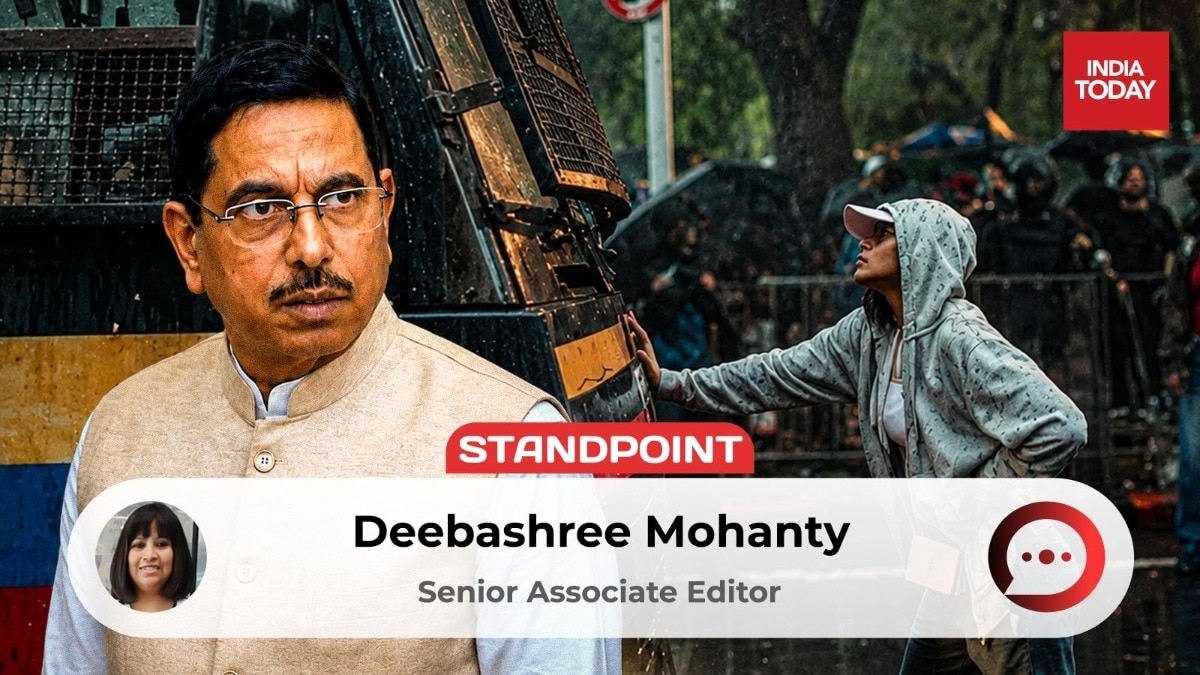
There are moments in public life when governments receive an unexpected gift. For the Union Education Ministry, this is one of them. Months of protests by students, led overwhelmingly by Gen Z, did more than demand accountability after the examination crisis. They forced education, perhaps for the first time in years, to become the country’s biggest national conversation. The government responded. A new Education Minister has taken charge, a high-powered committee under Nandan Nilekani has been tasked with reforming examinations, and the Testing Agency is being restructured. Read Full Story But this is only the beginning. If there is one lesson from the past few months, it is that students were not only asking for a minister’s resignation or another committee. They were demanding a better education system. That is why the ministry (under Pralhad Joshi) must resist the temptation to return to its familiar political battles and ideological pet projects. Whether it is revisiting history textbooks, expanding the role of Indian knowledge systems and mythology in curricula, pushing language policy changes such as the three-language formula, or other curriculum debates, these are conversations that can continue on the sidelines. We are not saying that these are unimportant. But they cannot become the ministry’s defining agenda at a time when students are demanding solutions to far more fundamental problems such as broken examinations, poor learning outcomes, teacher shortages, the coaching culture, weak public schools and declining trust in the overall education system. The Education Ministry now has something far more valuable; a rare public mandate to pursue meaningful reforms that could shape an entire generation.
SO WHAT SHOULD THESE REFORMS LOOK LIKE We asked some of India’s leading educationists, directors of premier institutions and policy experts one simple question. If you had the Education Minister’s ear today, what would you tell him to fix first? Interestingly, despite coming from very different backgrounds, their answers converged around a few clear priorities. 1. Fix classrooms before fixing rankings “The biggest problem is the lack of teachers trained adequately in modern pedagogical techniques,” says Prof Shreepad Karmalkar, Director of IIT Bhubaneswar. His prescription is strikingly practical. Make it a mandatory 50-hour annual teacher-training programme focused on modern teaching methods. Education reforms often begin with changing syllabi, but they rarely begin by changing how teachers teach. "Perhaps that needs to change," he tells India Today.in. 2. Public schools must become good enough that coaching becomes optional For Dr Pushpendra P. Singh of IIT Ropar’s ANNAM.AI Centre of Excellence, India’s greatest challenge isn’t simply examinations. It is the growing loss of confidence in public schooling. With learning outcomes varying sharply across states, millions of families increasingly see private schools and coaching institutes as necessities rather than choices. He argues that the new minister "should prioritise measurable learning outcomes, teacher capacity and transparent standards in government schools." His reasoning is simple. "Countries like Finland, Estonia and Singapore don’t eliminate coaching through regulation, they make it unnecessary by making public education reliable." 3. Reform NEET instead of merely defending it Independent education counsellor Jayaprakash Gandhi believes the conversation must move beyond paper leaks. He suggests conducting NEET online immediately after the Class XII board examinations to minimise opportunities for leaks.
 The BriefWire