Bank of Baroda 1TB data leak: Is your money safe? Here's what customers should do
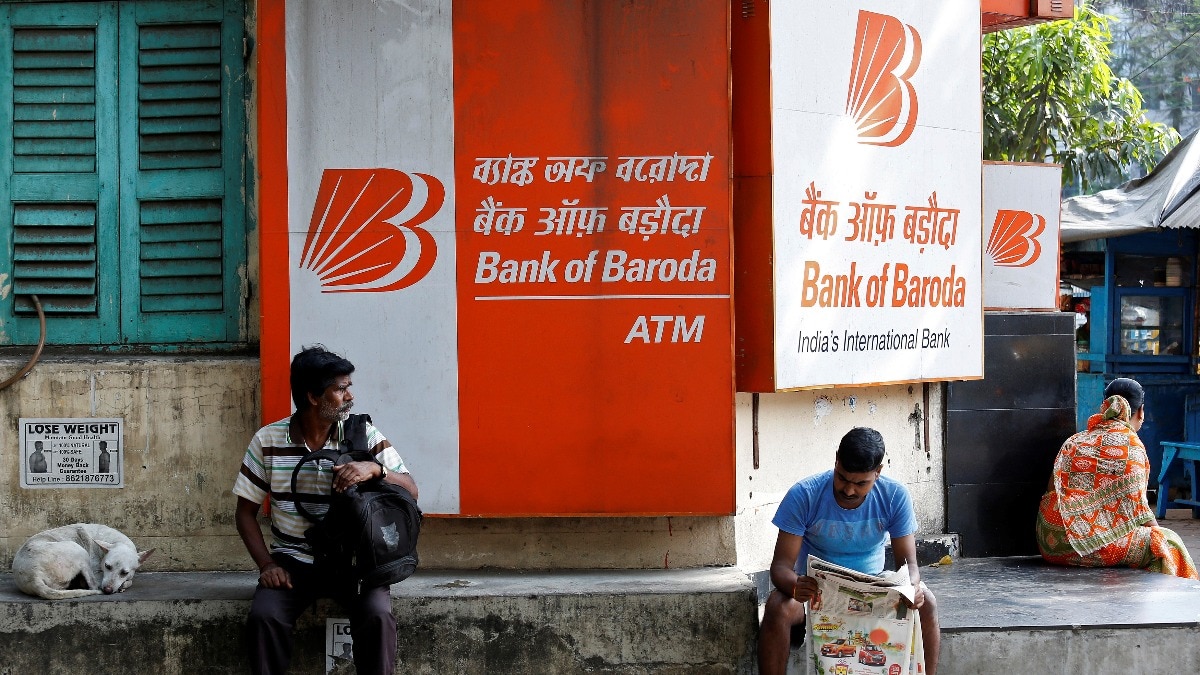
The alleged Bank of Baroda data breach has left millions of customers asking the same question: Is my money still safe? According to reports, nearly
The alleged Bank of Baroda data breach has left millions of customers asking the same question: Is my money still safe? According to reports, nearly 1TB of data linked to the public sector lender has allegedly surfaced online. The leaked database is said to include customer names, Aadhaar details, account information, loan records, internet banking details and other sensitive information. The bank has said it is investigating the claims and has not yet confirmed whether the leaked data is genuine. Read Full Story While the investigation is underway, cybersecurity experts say customers should not panic, but they should not ignore the reports either. A data breach does not automatically mean criminals can access your bank account or steal your savings. However, if personal information has indeed been exposed, it could be misused in highly sophisticated scams designed to trick customers into revealing confidential banking credentials. Here's what Bank of Baroda customers need to know. IS YOUR MONEY SAFE? The short answer is yes—in most cases. Many people assume that once a bank's customer data is leaked, hackers can immediately transfer money out of customer accounts. That is usually not how banking fraud works. Modern banking systems are protected by several layers of security. Even if someone has access to your name, account number or Aadhaar details, they generally cannot withdraw money unless they also obtain additional authentication credentials. Banks rely on multiple safeguards before a transaction is completed. These include login passwords, transaction passwords, UPI PINs, one-time passwords (OTPs), debit card PINs, device authentication, behavioural fraud detection systems and transaction monitoring. These layers are designed so that a single piece of leaked information is usually not enough to compromise an account. This means the alleged leak, by itself, does not automatically put your savings at risk.
THE BIGGER THREAT ISN'T HACKING—IT'S PHISHING Ironically, the biggest danger after a data breach is often not a hacker breaking into your bank account. It is someone convincing you to let them in. Cybersecurity experts refer to this as social engineering. If fraudsters have access to personal information such as your name, mobile number, branch details, Aadhaar number or account information, they can make phone calls, send emails or WhatsApp messages that appear remarkably genuine. Imagine receiving a call from someone claiming to be a Bank of Baroda executive. The caller already knows your name, your branch and perhaps even the last four digits of your account number. That immediately makes the conversation sound legitimate. The caller then says your account has been affected by the recent data breach and asks you to "verify" your identity by sharing an OTP or clicking on a link. Many customers may believe they are speaking to the bank. In reality, they are handing over the final piece of information needed to commit fraud. That is why cybersecurity professionals say phishing becomes a much bigger risk after a major data leak than direct hacking. WHAT SHOULD CUSTOMERS DO RIGHT NOW? Even if the breach is still being investigated, there is no harm in taking preventive steps. Change your internet banking and mobile banking passwords. This should be your first step, particularly if you have been using the same password across multiple websites. Password reuse is one of the biggest reasons cybercriminals are able to compromise several accounts after a single breach. Create a new password that is long, unique and difficult to guess. Avoid using birthdays, names or simple number combinations. If your banking app allows biometric authentication such as fingerprint or face recognition, keep it enabled.
 The BriefWire