10-Year Jail, Rs 10 Crore Fine: 5 Big Changes In The New Anti-Paper Leak Bill
10-Year Jail, Rs 10 Crore Fine: 5 Big Changes In The New Anti-Paper Leak Bill Published By, Last Updated: July 27, 2026, 13:10 IST The
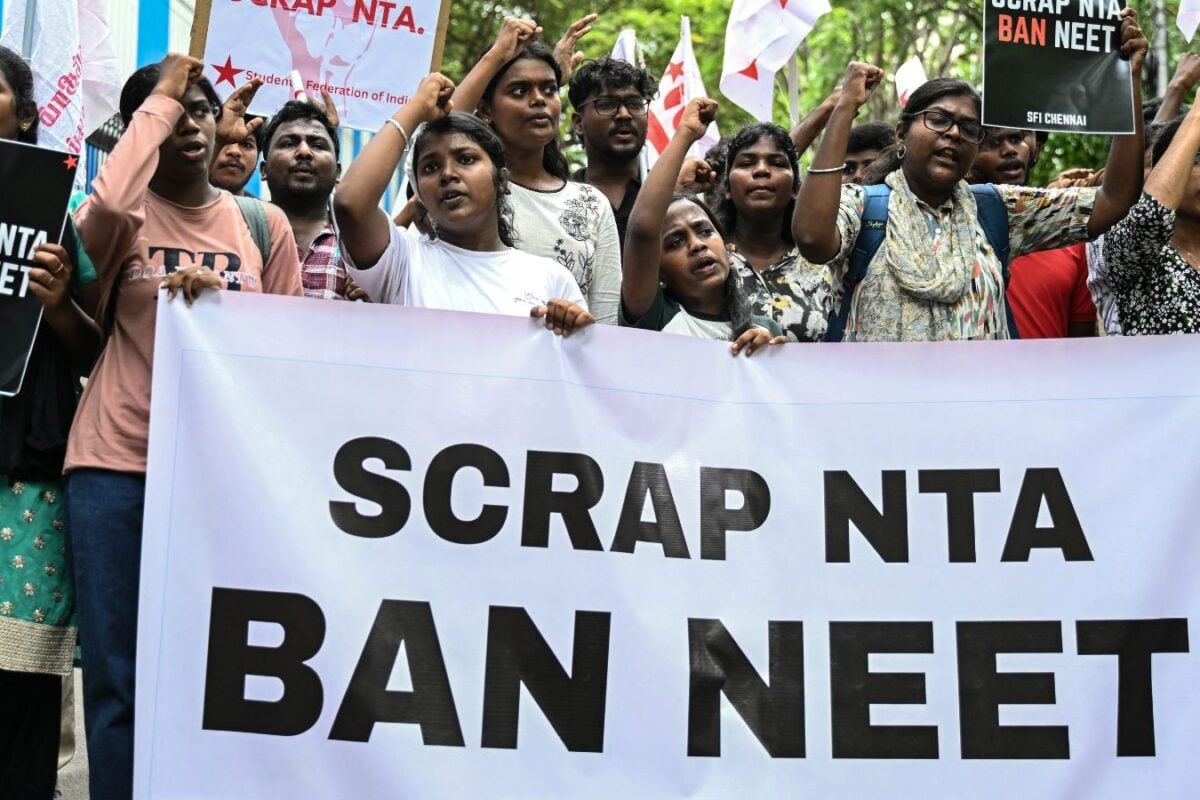
10-Year Jail, Rs 10 Crore Fine: 5 Big Changes In The New Anti-Paper Leak Bill Published By, Last Updated: July 27, 2026, 13:10 IST The proposed amendments come against the backdrop of weeks of protests led by the Cockroach Janta Party over repeated paper leaks and irregularities in competitive examinations Rapid Read Seeking to reassure students, PM Modi announced that the government would move swiftly to strengthen the legal framework against examination fraud. (AFP) The Centre’s proposed Public Examinations (Prevention of Unfair Means) Amendment Bill, 2026, marks the most significant overhaul of India’s anti-cheating law since it was enacted in 2024. Triggered by a string of paper leak scandals and months of student protests, the amendments substantially toughen punishments, widen the law’s scope and seek to plug loopholes exploited by organised cheating syndicates. The proposed amendments come against the backdrop of one of the biggest youth-led agitations in recent years. Weeks of protests led by the Cockroach Janta Party (CJP) over repeated paper leaks and irregularities in competitive examinations had put the Narendra Modi government under intense pressure, with demonstrators demanding accountability, systemic reforms and action against those responsible for compromising the future of lakhs of aspirants. Seeking to reassure students, Prime Minister Narendra Modi announced that the government would move swiftly to strengthen the legal framework against examination fraud.
Addressing the nation, he said the Centre was committed to ensuring that the hard work of honest candidates was not undermined by organised cheating syndicates, and promised tougher laws, faster investigations and dedicated fast-track courts to ensure those involved in paper leaks are punished without delay. HIGH POWERED TASK FORCE on examination reforms under the leadership of Shri Nandan Nilekani constituted.@NandanNilekani pic.twitter.com/mMpmPdIEL5— Narendra Modi (@narendramodi) July 26, 2026 Alongside the Bill, the Centre has also constituted a high-powered task force headed by Infosys co-founder Nandan Nilekani to recommend technology-driven reforms for the Testing Agency (NTA), signalling that the government’s response will combine stricter punishment with systemic changes aimed at restoring public confidence in India’s examination system. Here are the five biggest changes proposed in the new law 1. Jail Term Doubled To 10 Years For Organised Paper Leaks The most striking change is the increase in punishment for organised exam fraud. Under the existing law, those involved in organised paper leaks and cheating rackets could face up to five years in prison. The amendment proposes to double the maximum sentence to 10 years, making it one of the toughest anti-cheating laws in the country. The government argues that paper leaks are no longer isolated incidents but are often orchestrated by organised criminal networks that require stronger deterrence.
 The BriefWire