First puffin chick in 30 years just emerged from England's south coast after 15 weeks of careful monitoring, giving new hope to the country's last mainland colony
Why this puffin chick is such a big conservation success How conservationists confirmed the chick's survival Where is Dancing Ledge? From more than 40 pairs
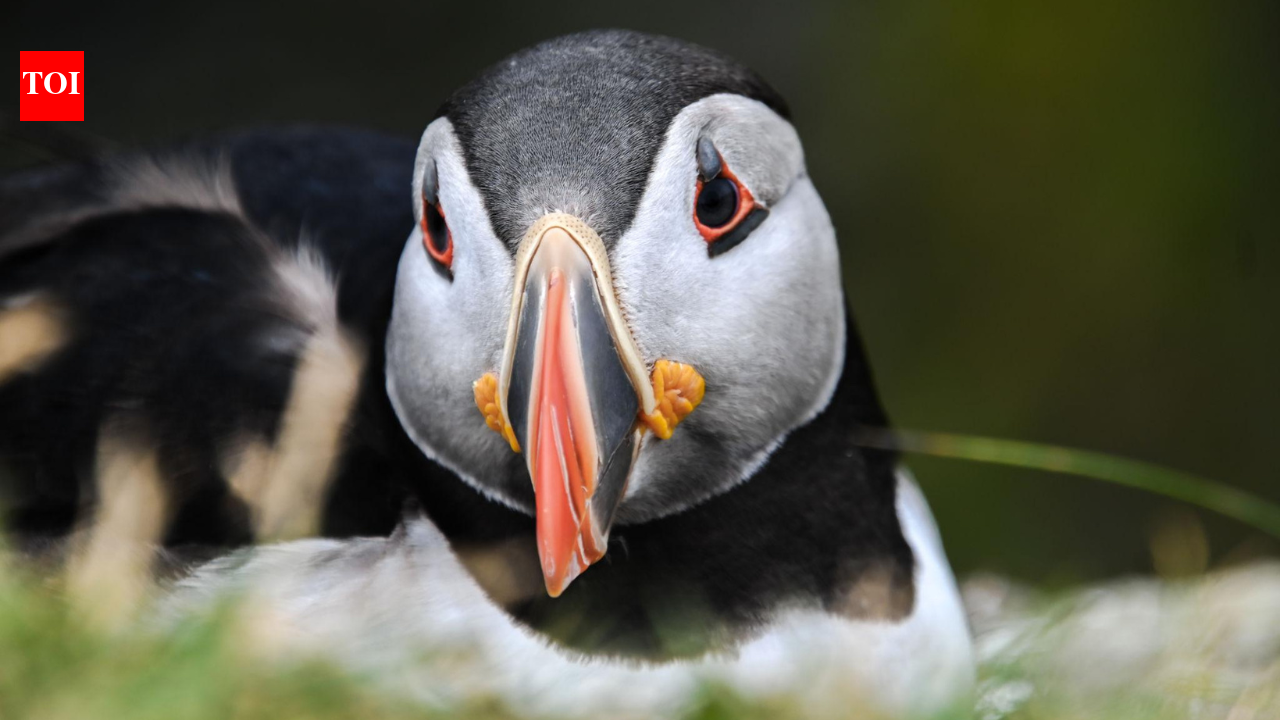
Why this puffin chick is such a big conservation success How conservationists confirmed the chick's survival Where is Dancing Ledge? From more than 40 pairs to just three Why researchers stayed away from the nest Are puffins under threat? What this means for the future of the colony A tiny puffin chick has achieved something conservationists on England's south coast had not witnessed in three decades. After 15 weeks of careful monitoring by Trust volunteers and seabird expert Dr Richard Caldow, the chick was photographed emerging from a rocky crevice at Dancing Ledge on Dorset's Isle of Purbeck. The sighting marks the first confirmed puffin chick at England's last remaining mainland south coast colony in around 30 years. With the colony now reduced to just three breeding pairs from more than 40 in the 1950s, the successful fledging has been hailed as a rare conservation milestone and a welcome sign that the fragile population still has a chance to recover.The newly spotted puffling represents far more than an adorable wildlife moment. It is the first confirmed breeding success at the Dorset colony in around 30 years, ending decades of uncertainty over whether the birds could still reproduce successfully on England's south coast.Atlantic puffins are among Britain's best-loved seabirds, but breeding colonies have declined in several parts of their range due to changing marine conditions, food shortages and other environmental pressures.
With only three breeding pairs left at Dancing Ledge, every successful chick is considered vital for the colony's future.The breeding season was monitored for 15 weeks by Trust volunteers alongside seabird specialist Dr Richard Caldow. Rather than approaching the nest, the team relied on trail cameras and long-distance observations to avoid disturbing the birds.One of the clearest signs that a chick was growing inside the burrow came when adult puffins were repeatedly seen carrying small fish back to the nesting crevice. The monitoring eventually paid off when cameras captured the puffling emerging from the cliffside burrow before later fledging successfully.Dancing Ledge is a dramatic limestone platform on the Isle of Purbeck in Dorset, forming part of the Jurassic Coast, a UNESCO World Heritage Site. The rugged cliffs have long provided nesting habitat for seabirds, including puffins.Although the UK is home to hundreds of thousands of puffins across large island colonies in Scotland, Wales and northern England, the Purbeck birds are unique because they represent England's last remaining mainland colony on the south coast.The colony's decline has been dramatic.
 The BriefWire