Meet Admiral Brad Cooper: US Commander Who Changed Trump's Mind On Massive Iran Strikes
Meet Admiral Brad Cooper: US Commander Who Changed Trump's Mind On Massive Iran Strikes Published By, Last Updated: July 27, 2026, 11:38 IST Trump had
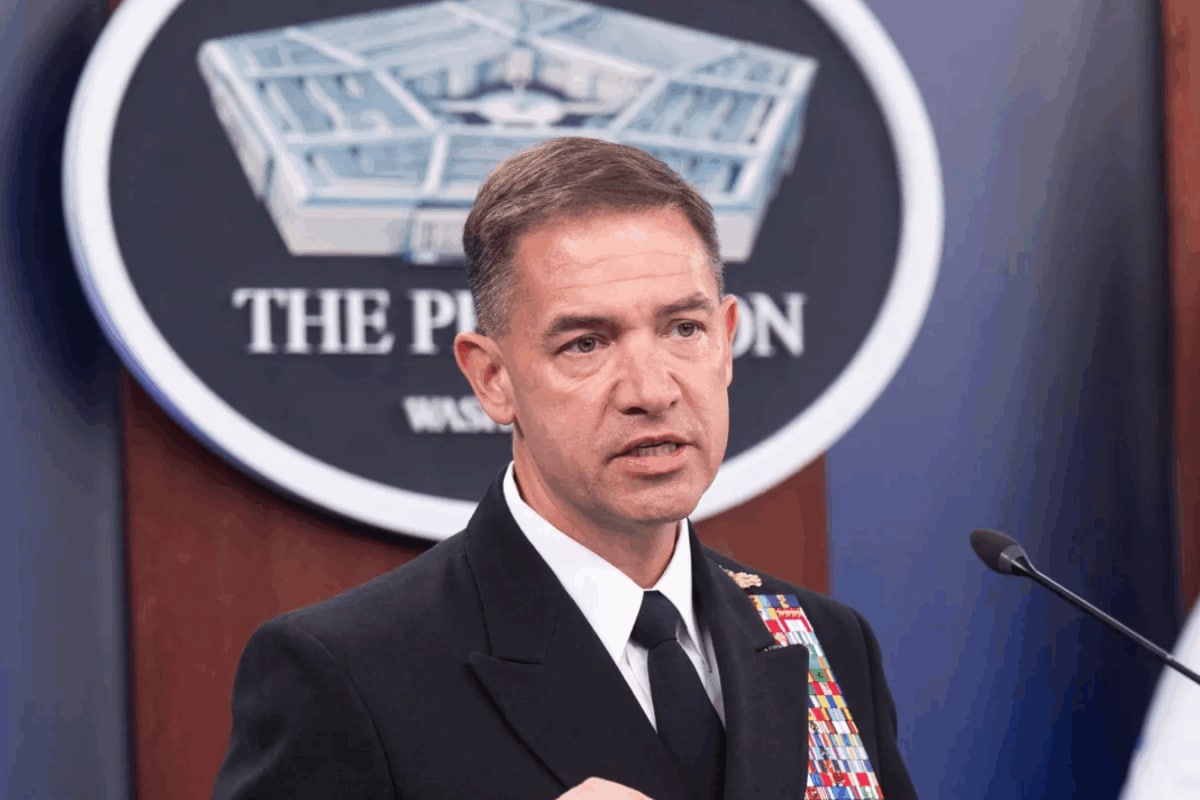
Meet Admiral Brad Cooper: US Commander Who Changed Trump's Mind On Massive Iran Strikes Published By, Last Updated: July 27, 2026, 11:38 IST Trump had struck a defiant tone on July 23, saying Iran had not "received enough pain yet" and hinting that he was close to authorising a major escalation. Rapid Read Brad Cooper's assessment became one of several factors that shaped Trump's decision to pause the offensive. Just a day after publicly threatening Iran with what he called a “massive attack" bigger than anything before, US President Donald Trump abruptly paused the bombing campaign. Behind that dramatic reversal was a key assessment from one of America’s top military commanders. According to an Axios report, Admiral Brad Cooper, the commander of US Central Command (CENTCOM), advised the White House that the bombing campaign around the Strait of Hormuz had largely achieved its military objectives and that further strikes would deliver diminishing returns.
Trump had struck a defiant tone on July 23, saying Iran had not “received enough pain yet" and hinting that he was close to authorising a major escalation. The US carried out its 13th consecutive night of strikes against Iranian targets that day. But within 24 hours, the US President ordered a halt to the attacks, shelving Pentagon plans for a 14th night of bombing. According to Axios, Brad Cooper told the Pentagon, the Joint Chiefs of Staff and the White House that two weeks of sustained airstrikes had significantly weakened Iran’s ability to threaten shipping through the Strait of Hormuz. He also noted that most of the planned military targets had already been destroyed. The CENTCOM chief reportedly said there was little value in continuing the existing bombing campaign unless Trump decided to launch a broader phase of major combat operations targeting the remaining 20% of identified sites under Operation Epic Fury.
Brad Cooper’s assessment became one of several factors that shaped Trump’s decision to pause the offensive. The report said it reflected a growing consensus among military and civilian advisers that the air campaign had reached the limits of what it could realistically achieve. Another factor was concern over US military readiness. Axios reported that General Dan Caine, Chairman of the Joint Chiefs of Staff, privately warned Defence Secretary Pete Hegseth and Trump that dwindling stocks of air defence interceptors could undermine the ability to protect US forces and allies in the region. The warning was first reported by The New York Times. The military pause has also created space for diplomacy. Iran and Oman are continuing negotiations over a possible arrangement to secure shipping through the Strait of Hormuz, while US Ambassador to the United Nations Mike Waltz said talks between Washington and Tehran were continuing “at every level." The US and the UK are also discussing an international initiative aimed at protecting commercial shipping and clearing mines from the strategic waterway.
 The BriefWire