From Congress Candidate To Modi’s Go-To Technocrat: Why Nandan Nilekani’s Appointment To NTA Reforms Panel Stands Out
From Congress Candidate To Modi’s Go-To Technocrat: Why Nandan Nilekani’s Appointment To NTA Reforms Panel Stands Out Reported By, Last Updated: July 26, 2026, 23:11
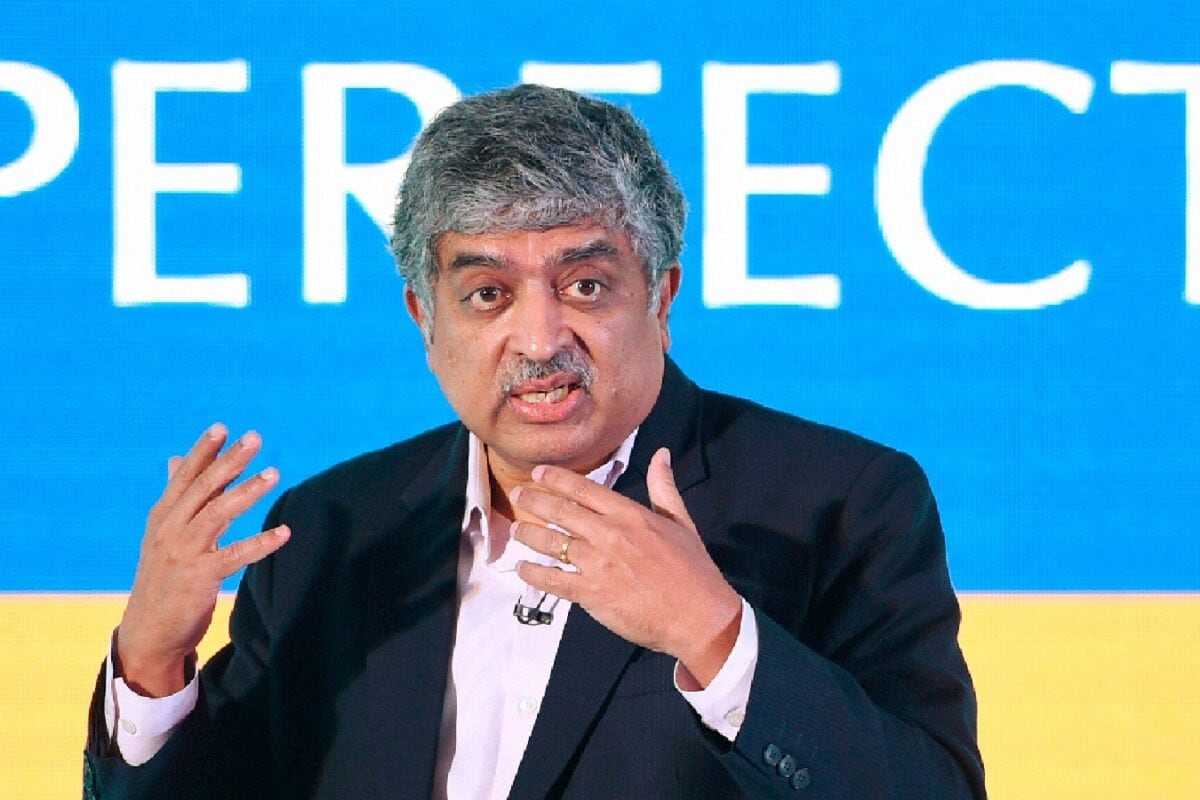
From Congress Candidate To Modi’s Go-To Technocrat: Why Nandan Nilekani’s Appointment To NTA Reforms Panel Stands Out Reported By, Last Updated: July 26, 2026, 23:11 IST The composition of the si member task force makes it clear that the Centre is treating NTA reform as a national governance and technology challenge. Infosys co-founder Nandan Nilekani's appointment to the NTA reform task force marks the Modi government's push to leverage technology, governance and institutional expertise to overhaul India's examination system. (IMAGE: PTI FILE) In a move that underscores the Narendra Modi government’s preference for domain expertise over political history, Infosys co-founder Nandan Nilekani — who contested the 2014 Lok Sabha election as a Congress candidate — has been appointed to the high-powered task force on Testing Agency (NTA) reforms. Nilekani had joined the Congress in March 2014 and contested from Bengaluru South, losing to BJP’s Ananth Kumar by over 2.28 lakh votes. Before entering politics, he had been handpicked by the UPA government to head the Unique Identification Authority of India (UIDAI), where he architected the Aadhaar programme, becoming one of India’s foremost technocrats.
More than a decade later, the Modi government has once again turned to Nilekani, signalling that technical competence and institutional experience have outweighed past political affiliations in one of the Centre’s most significant reform exercises. His inclusion comes as the government attempts a comprehensive overhaul of the NTA after controversies surrounding competitive examinations, including NEET. The composition of the si member task force makes it clear that the Centre is treating NTA reform as a national governance and technology challenge rather than merely an education issue. Instead of limiting the committee to educationists and bureaucrats, the government has brought together experts from technology, space, intelligence, cybersecurity, academia, education policy and public administration. The panel suggests that reforms will focus on creating secure digital examination systems, preventing question paper leaks, strengthening cybersecurity, improving institutional accountability and introducing structural changes to examination processes. Nilekani brings unparalleled experience in building India’s digital public infrastructure through Aadhaar. His expertise is expected to guide technology architecture, digital identity systems and scalable, secure examination platforms. ISRO Chairman S. Somanath is known for leading complex, mission-critical scientific programmes requiring precision, systems engineering and operational reliability—skills relevant to designing robust national examination systems.
 The BriefWire