US Accuses Sudan Of Using Chemical Weapons. Here's Why The World Is Watching
US Accuses Sudan Of Using Chemical Weapons. Here's Why The World Is Watching Published By, Edited By Last Updated: July 26, 2026, 20:23 IST The
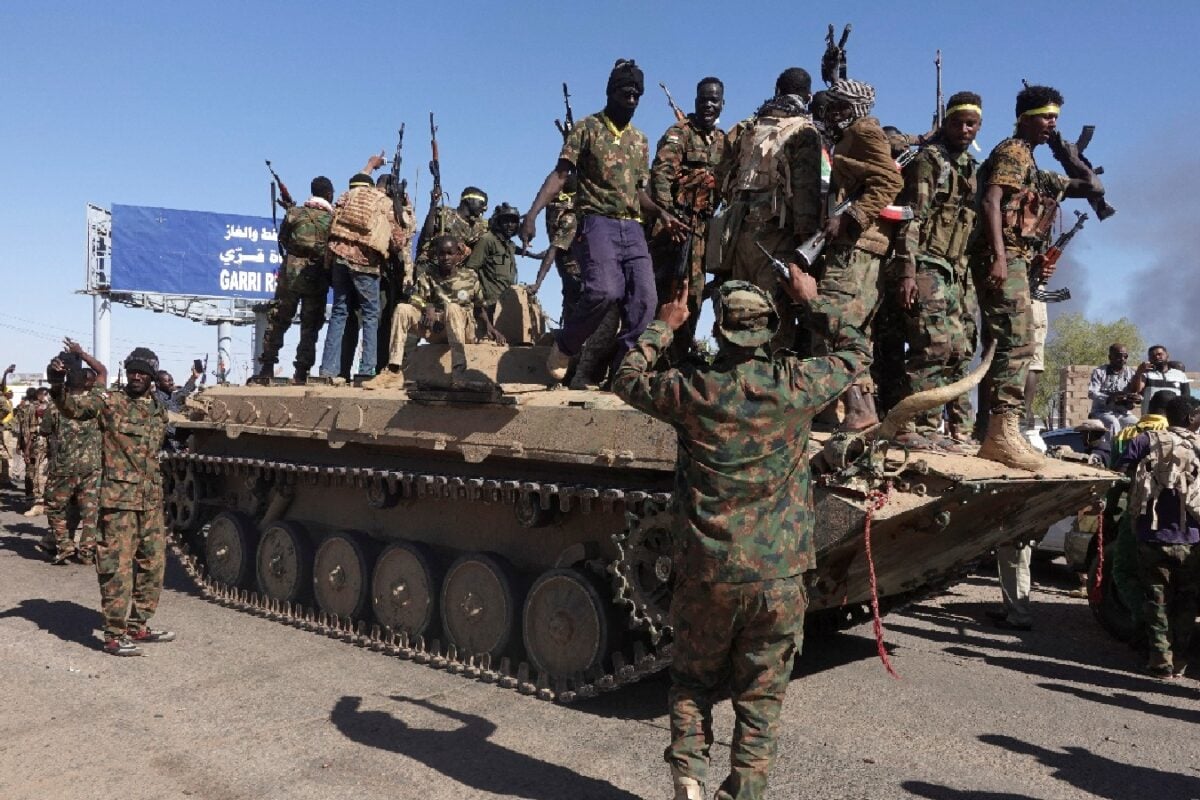
US Accuses Sudan Of Using Chemical Weapons. Here's Why The World Is Watching Published By, Edited By Last Updated: July 26, 2026, 20:23 IST The US has rejected Sudan's internal investigation into chemical weapons allegations and is demanding an OPCW probe. Here's what the diplomatic standoff means. Sudan's army soldiers celebrate the army's liberation of an oil refinery, in North Bahri, Sudan. (IMAGE: REUTERS) The diplomatic confrontation between the United States and Sudan over alleged chemical weapons use entered a new phase, with Washington enforcing a broader second round of sanctions while rejecting Khartoum’s internal investigation and insisting that only an independent international probe can establish compliance with global chemical weapons rules. The latest escalation follows an April 2025 determination by the US State Department, which concluded through what Washington described as a “rigorous and independent national technical analysis" that Sudanese armed forces had used banned chemical weapons during the country’s internal conflict, in violation of the Chemical Weapons Convention. US Tightens Sanctions After Three-Month Grace Period After giving Khartoum a three-month period to take corrective steps, the United States imposed a second round of sanctions on July 20, 2026, arguing that Sudan had failed to comply. The expanded measures include tighter export controls, US opposition to international financial assistance for Sudan, and additional financial and aviation-related restrictions.
Humanitarian and food assistance remain exempt from the sanctions. Washington Rejects Sudan’s Internal Investigation At the centre of the dispute is Washington’s refusal to accept Sudan’s own investigation into the allegations. After the accusations were made public, Khartoum constituted a national committee to investigate the claims. The United States, however, has maintained that domestic mechanisms cannot substitute independent verification under the Chemical Weapons Convention. Only Independent Verification Can Establish Compliance, Says US “Local bureaucratic mechanisms are not a substitute for compliance with the treaty and independent verification," the American delegation said, reiterating that only the Organisation for the Prohibition of Chemical Weapons (OPCW) can independently verify compliance with the convention. OPCW Showdown Moves To Centre Stage The disagreement has now become a major point of contention at the OPCW, where Washington used the organisation’s Executive Council meeting in The Hague earlier this month to deliver what it described as its strongest statement yet on the issue. The United States demanded immediate and unrestricted access for international inspectors, stressing that “the prohibition on the use of chemical weapons is absolute and non-negotiable" and warning that Sudan’s continued refusal to acknowledge the allegations and cooperate with international verification would have consequences. Sudan’s Executive Council Seat Comes Under Scrutiny Washington has also questioned Sudan’s continued presence on the OPCW Executive Council, pointing to what it sees as a contradiction between the country’s governing role within the organisation and its refusal to permit unrestricted international inspections.
 The BriefWire