UP’s ‘Junaid Bhai’ Was In Charge Of Arranging Food For CJP Protesters, Soon He Became A Face Of Stir
UP’s ‘Junaid Bhai’ Was In Charge Of Arranging Food For CJP Protesters, Soon He Became A Face Of Stir Reported By, Edited By Last Updated
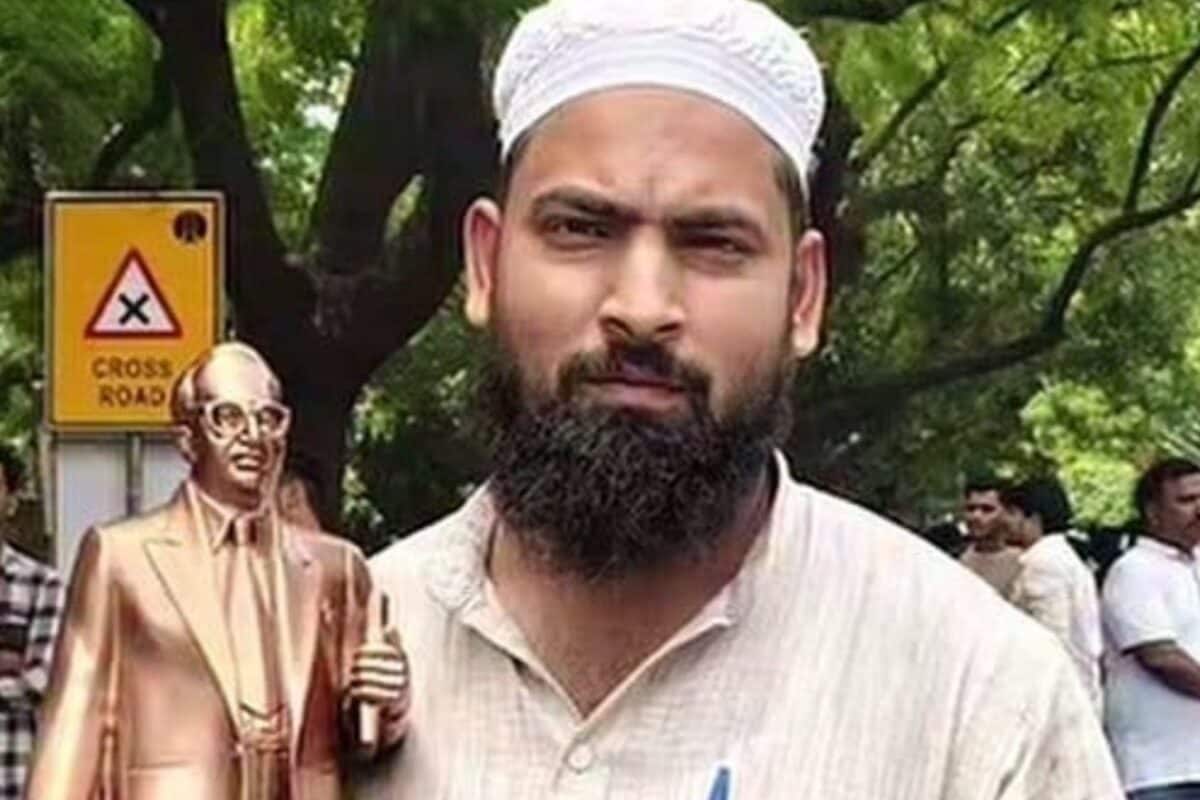
UP’s ‘Junaid Bhai’ Was In Charge Of Arranging Food For CJP Protesters, Soon He Became A Face Of Stir Reported By, Edited By Last Updated: July 26, 2026, 18:55 IST Junaid’s story remains one of the most significant episodes of the CJP protest at Jantar Mantar Rapid Read Junaid Bhai at CJP protest at Delhi's Jantar Mantar. For weeks, Mohammad Junaid was not the man at the microphone at Delhi’s Jantar Mantar. He was usually behind the scenes — arranging food, drinking water, and basic supplies for protesters of the Cockroach Janta Party (CJP). But as the 49-day agitation gathered momentum, the man known to protesters as “Junaid Bhai" became one of the movement’s most recognisable faces after alleging that his family in Uttar Pradesh had been targeted because of his involvement in the protest. Now that the CJP has called off its agitation following the resignation of Union Education Minister Dharmendra Pradhan and government assurances on its other key demands, Junaid’s story remains one of the most significant episodes of the protest. WHO IS JUNAID BHAI? Junaid is a resident of Nahal village in Ghaziabad and was associated with the CJP protest as a volunteer.
Unlike the movement’s prominent speakers and office-bearers, he did not occupy a formal leadership position. His role was largely practical: helping ensure that protesters camping at Jantar Mantar had access to food and water. That role, however, brought him into the spotlight when he alleged that police personnel had visited his family home in Ghaziabad and searched the premises. According to his family, his father, Mustafa, was “taken away" and documents, including bank passbooks and PAN cards, were “seized". Junaid’s sister alleged that the police wanted their father to call him and ask him to return from Delhi. The family also alleged that relatives in Meerut were harassed. Meerut Police, however, denied “detaining or taking action against Junaid’s relatives", saying that checks with police stations in the district found “no such record". The allegations consequently triggered a political controversy, with the family alleging pressure and the police denying the claims of action in Meerut. Mohd Junaid Was Arranging Foods And Water At CJP Protest Since Day One.जंतर मंतर प्रोटेस्ट में पहिले दिन से प्रदर्शनकारियों को खाना बांटने में सहयोग करने वाले मोहम्मद जुनैद भाई…@abhijeet_dipke @CJP_for_India @Cockroachisback pic.twitter.com/mpTcEEv44p— khalid Chougle (@ChougleKhalid) July 25, 2026 WHY DID HIS CASE BECOME IMPORTANT FOR CJP?
For the CJP, Junaid’s alleged experience represented what it described as “an attempt to intimidate people supporting the agitation". CJP spokespersons publicly backed him and alleged that “pressure was being exerted on his family to force him to withdraw from the protest." That made him a symbol of the movement’s grassroots character. The CJP agitation itself became known for its unconventional style of protest. The movement used humour, satire, social media videos and highly visual demonstrations to keep public attention focused on its demands. The protest intensified over alleged irregularities and paper leaks in competitive examinations, including the NEET controversy, and eventually expanded into a wider campaign for examination reforms and accountability. The movement ended on July 25 after the government accepted its key demands, including assurances on compensation for families of students who died by suicide, withdrawal of cases against protesters and consideration of the CJP’s five-point examination reform charter. The agitation was called off after the resignation of Dharmendra Pradhan, the CJP’s central demand. With the physical agitation over, Junaid is no longer simply the volunteer who served food and water at Jantar Mantar.
 The BriefWire