Nepali Khuti: A Village That Lost Everything To Assam's Worst Floods In 60 Years
Nepali Khuti: A Village That Lost Everything To Assam's Worst Floods In 60 Years Reported By, Last Updated: July 26, 2026, 17:41 IST Assam floods
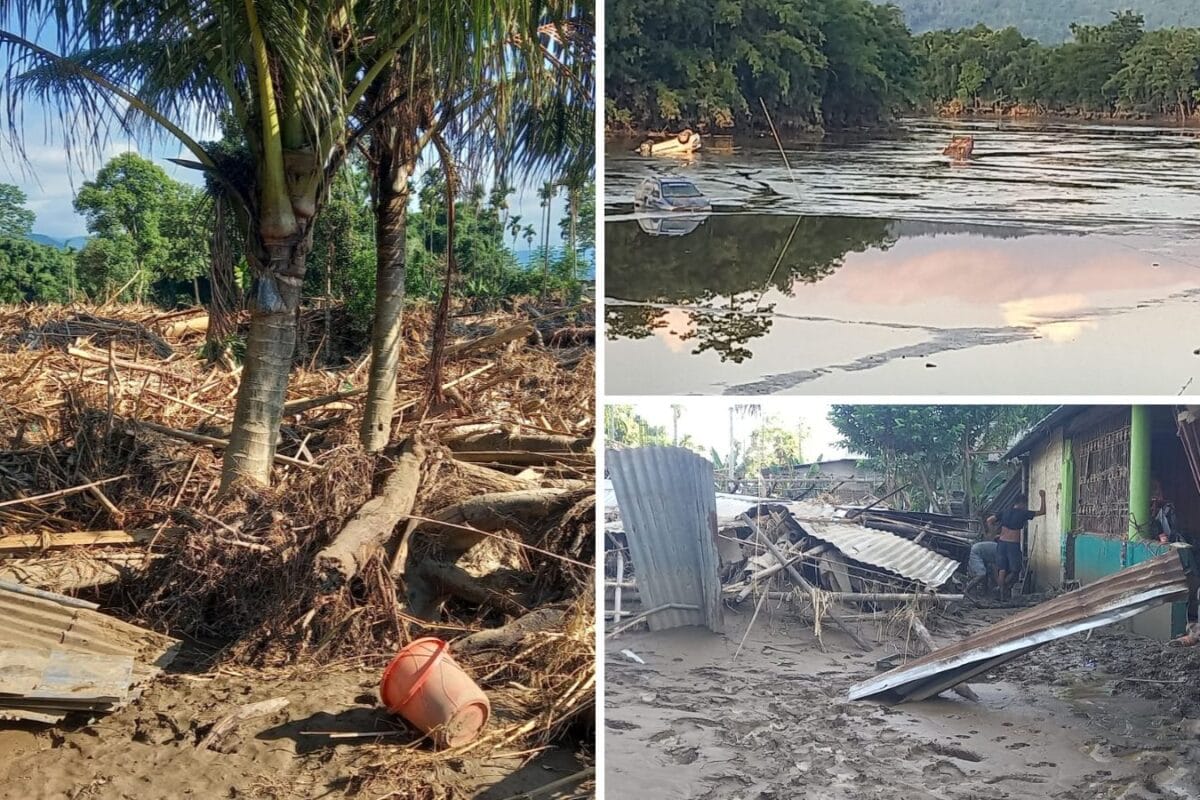
Nepali Khuti: A Village That Lost Everything To Assam's Worst Floods In 60 Years Reported By, Last Updated: July 26, 2026, 17:41 IST Assam floods: Lakhs of families were forced to take shelter in relief camps as homes, roads, bridges, schools and agricultural fields disappeared under water For the people of Nepali Khuti, however, the disaster extends far beyond the immediate destruction caused by the flood. Floods are an annual reality in Assam, but the deluge that struck the state this July has left behind a trail of devastation unprecedented in recent decades. Triggered by incessant rainfall and overflowing rivers, the floods claimed at least 62 lives across the state and affected more than 7 lakh people spread across hundreds of villages. Lakhs of families were forced to take shelter in relief camps as homes, roads, bridges, schools and agricultural fields disappeared under water. Even as the floodwaters have begun to recede, the struggle for survival continues, with people battling the loss of livelihoods, shortages of clean drinking water, damaged infrastructure and the looming threat of water-borne diseases. While every flood-affected village has a story of suffering, few reflect the scale of human tragedy as profoundly as Nepali Khuti, a small village in Sivasagar district. NEPALI KHUTI Located about 12 kilometres from Nazira town, Nepali Khuti was once regarded as one of the region’s most prosperous dairy villages. Home to nearly 150 families, most of them belonging to the Gorkha community, the village depended almost entirely on dairy farming. Every morning, hundreds of litres of milk produced here were supplied to Nazira and nearby towns, making cattle the backbone of the local economy.
For the villagers, cows were far more than livestock — they represented years of hard work, financial security, children’s education, healthcare, and the promise of a better future. In Nazira, a total of 132 villages has been affected involving 30,304 families. That future was washed away on the night of July 19. As relentless rain lashed Upper Assam, floodwaters entered the village with astonishing speed, leaving residents with little time to react. Within hours, houses were submerged, roads vanished and terrified families were forced to climb onto rooftops and trees to escape the rising waters. In the darkness, they watched helplessly as their homes, belongings and cattle were swept away by the raging current. For many, the most painful memory was not the destruction of their homes but the inability to save the animals on which their entire livelihood depended. THE DEVASTATION Today, nearly a week after the flood, Nepali Khuti presents a picture of complete devastation. The village is covered in thick layers of mud and slush, while the air is filled with the unbearable stench of decomposing cattle. Carcasses of animals lie scattered across fields and village roads, making movement difficult and raising fears of disease. It was only on the fifth day after the flood that many residents could return to what remained of their homes. An elderly woman pointed towards the roof of her house, recalling how her family spent days stranded there before rescue teams finally evacuated them. Similar stories of survival can be heard in almost every household, with families recounting long hours of fear, uncertainty and helplessness as floodwaters engulfed the village.
 The BriefWire