I covered Nepal Gen Z revolt, India's NEET protests. Here's the difference
As a reporter, I have covered countless protests over the years. But two movements from the past year have stayed with me. The first was
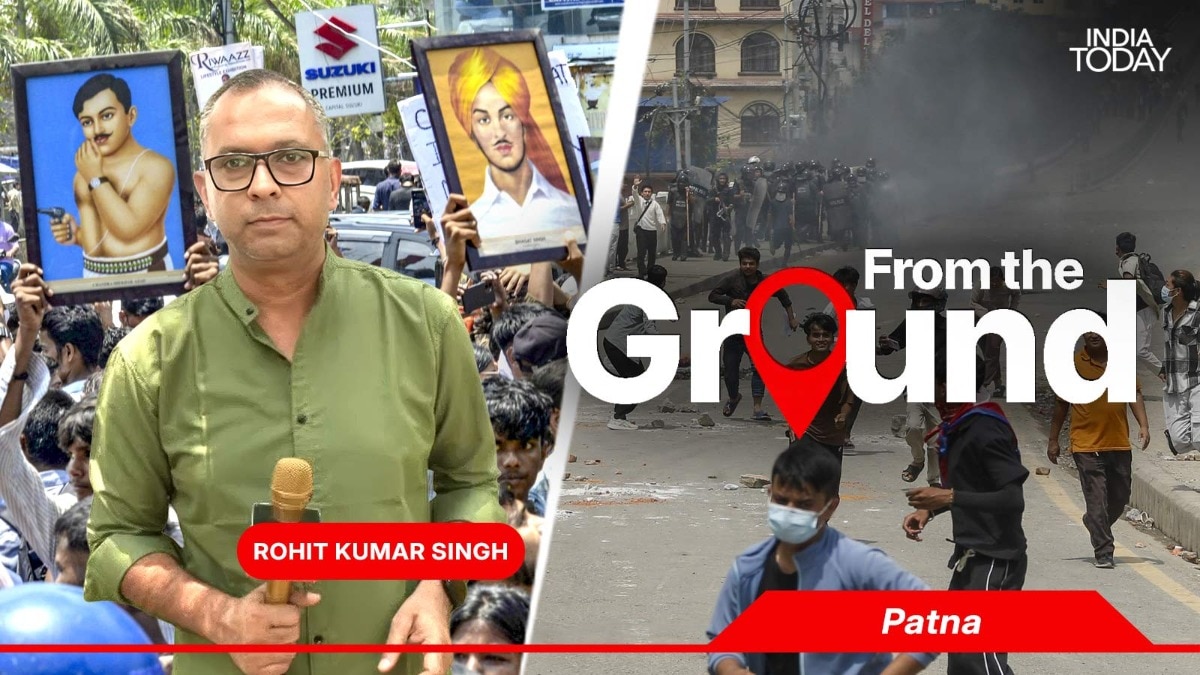
As a reporter, I have covered countless protests over the years. But two movements from the past year have stayed with me. The first was Nepal's Gen Z-led uprising, which I reported from Kathmandu and Birgunj. The second was India's student movement over the NEET paper leak, which I covered from Patna. Both were powered largely by young people. Both challenged those in authority. Yet beyond those similarities, they unfolded in remarkably different ways. Read Full Story In Nepal, the protests were fuelled by anger over corruption, poor governance, political instability and growing frustration with the political establishment. Demonstrators demanded the resignation of then Prime Minister KP Sharma Oli and sweeping political change. In India, the movement began over irregularities in the NEET examination. Students demanded action against the paper leak, the resignation of Union Education Minister Dharmendra Pradhan and accountability for police action against protesters. When I arrived in Kathmandu, the city was already on edge. Columns of smoke rose from different parts of the capital. Burnt vehicles littered the roads. Security forces raced from one flashpoint to another as fresh violence erupted across the city. I saw attacks on public property unfold before my eyes. Parts of Parliament, the Supreme Court and Singh Durbar were damaged. Government offices, telephone exchanges and municipal buildings were set ablaze.
Houses linked to political leaders were attacked. The Prime Minister's residence in Baluwatar, the President's residence at Shital Niwas, the anti-corruption commission and offices of major political parties also came under attack. There was barely a moment to pause. By the time one incident subsided, another had broken out elsewhere. Later, I travelled to Birgunj near the India-Nepal border. Roads were barricaded. Security personnel were deployed across the city. Many shops remained shuttered as curfews came into force in several areas. Internet restrictions made reporting difficult, while the unrest disrupted operations at Tribhuvan International Airport. Months later, I found myself on another protest beat, this time in Patna. Large crowds filled the streets. I witnessed clashes between protesters and police, with stone-pelting, lathi charges and tear gas. Both students and police personnel suffered injuries. Yet throughout my reporting in Patna, I kept thinking back to Nepal. The most striking difference was the scale of violence. In Nepal, I witnessed widespread arson, attacks on government institutions and extensive destruction of public property across the country. In Patna, I saw no comparable level of devastation. The confrontations were largely confined to clashes between protesters and police. There was stone-pelting, lathi charges and tear gas, but I did not witness government buildings being torched or public infrastructure destroyed on the scale I had seen in Nepal.
 The BriefWire