Twisha Sharma Dowry Death Case: 5 Reasons Court Denied Bail To E Judge Giribala Singh
Twisha Sharma Dowry Death Case: 5 Reasons Court Denied Bail To E Judge Giribala Singh Published By, Last Updated: July 26, 2026, 12:22 IST The
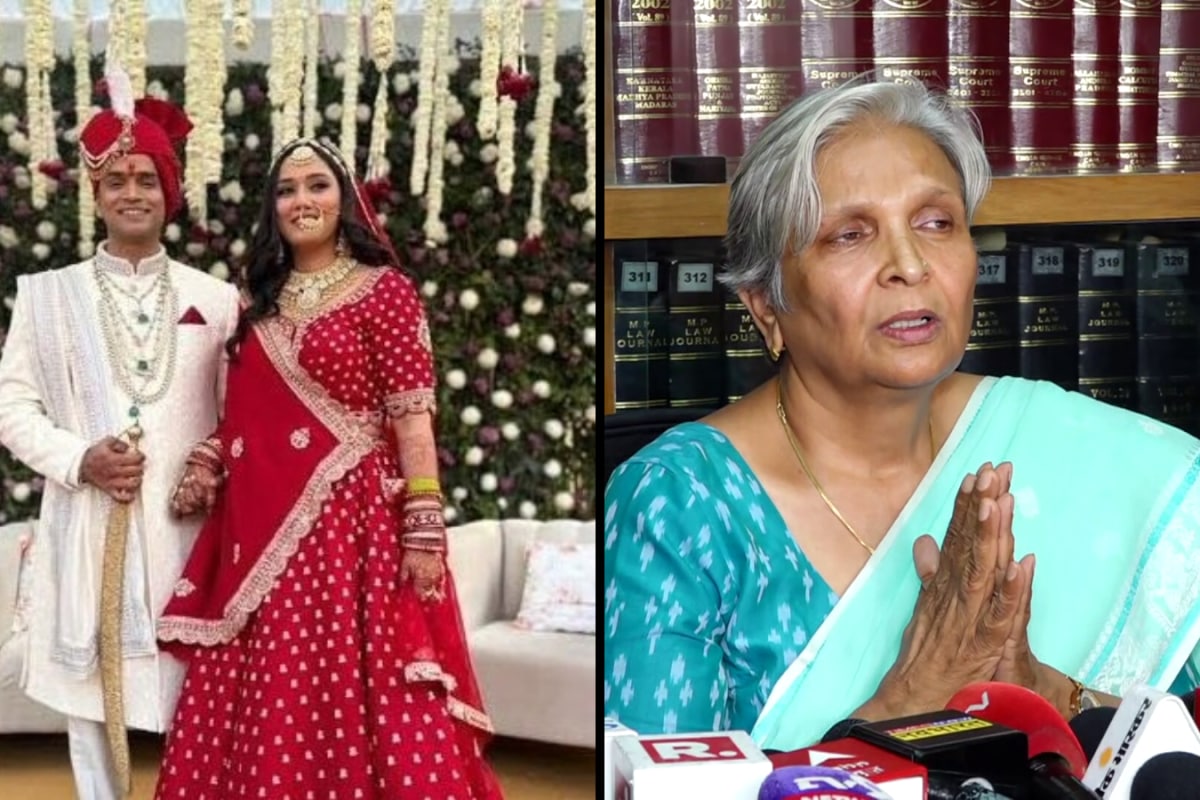
Twisha Sharma Dowry Death Case: 5 Reasons Court Denied Bail To E Judge Giribala Singh Published By, Last Updated: July 26, 2026, 12:22 IST The defence argued that Giribala Singh should be granted bail because she has an old mother to care for, is involved in religious activities and suffers from health issues. (From left) Samarth, Twisha and Giribala Singh. A district court in Bhopal rejected the bail application of retired judge Giribala Singh, observing that her release at this stage could influence evidence in the alleged dowry death of her daughter-in-law, model-turned-actor Twisha Sharma. First Additional Sessions Judge Ram Pratap Mishra held that the prosecution’s concerns about possible interference with the investigation were “not unfounded" and said the case diary contained sufficient material indicating Singh’s alleged involvement in the case. Here are the five key reasons the court denied bail 1. Court Found Prima Facie Evidence Against Her: The court said the case diary contained enough material to indicate the accused’s alleged involvement in the offence.
It relied on evidence collected during the investigation, including WhatsApp chats, call detail records (CDRs) and statements of Twisha Sharma’s family members. “The material available in the case diary indicates the involvement of the applicant/accused in the offence," the order stated. 2. Fear Of Influencing Evidence: The court agreed with the prosecution’s argument that Giribala Singh’s release could affect the ongoing investigation. “If the applicant/accused is granted the benefit of bail, there is a possibility that the evidence may be influenced," the court observed, adding that the apprehension expressed by investigators and the complainant could not be dismissed. 3. Gravity Of Alleged Offence: The court stressed that the case involved a serious offence against a woman. Twisha Sharma died within seven years of her marriage, and the FIR invokes Section 80(2) of the Bharatiya Nyaya Sanhita relating to dowry death, an offence punishable with life imprisonment. Given the seriousness of the allegations, the court said the circumstances did not warrant bail.
4. Investigation Is Still Underway: Rejecting the defence’s arguments, the court said the investigation is continuing and that the allegations and counter-allegations raised by both sides can only be tested during trial. At this stage, the available evidence was sufficient to deny bail, the court said. 5. Personal Grounds Were Not Enough: The defence argued that Giribala Singh should be granted bail because she is a woman, has a 100-year-old mother to care for, is involved in religious activities and suffers from health issues. The court, however, ruled that these considerations did not outweigh the gravity of the allegations. It also noted that medical records did not indicate any serious illness requiring release and said adequate treatment could be provided while she remained in judicial custody. Twisha Sharma, who married advocate Samarth Singh on December 9, 2025, was found dead at her matrimonial home in Bhopal’s Katara Hills on May 12, 2026, just five months after her wedding.
 The BriefWire