Quote of the Day by Marcus Aurelius, the Roman emperor who inspired Gladiator: "You have power over your mind, not outside events..."
Image: Getty Images Quote of the Day by Marcus Aurelius: "You have power over your mind, not outside events. Realise this, and you will find
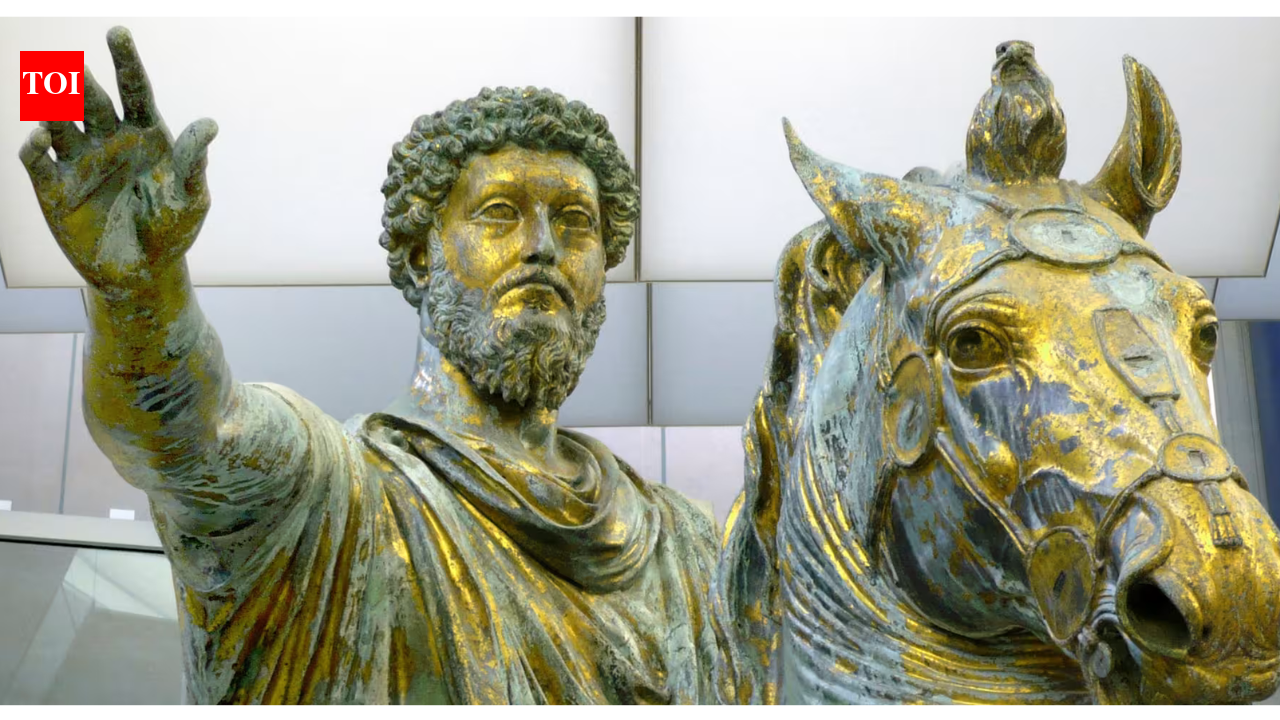
Image: Getty Images Quote of the Day by Marcus Aurelius: "You have power over your mind, not outside events. Realise this, and you will find strength." Who was Marcus Aurelius? The Stoic philosophy behind the quote Why the quote remains relevant today Lessons readers can apply in daily life A timeless reminder from ancient Rome Many people recognise Marcus Aurelius as the wise Roman emperor whose fictionalised character inspired Ridley Scott's Gladiator. Yet long before Hollywood brought ancient Rome to the big screen, Marcus Aurelius had earned a place in history as one of the greatest Stoic philosophers and one of Rome's most respected rulers. His private writings, later compiled as Meditations, continue to inspire millions around the world with their timeless reflections on resilience, discipline and inner peace. Among his most enduring observations is: "You have power over your mind, not outside events. Realise this, and you will find strength." Although written nearly 2,000 years ago, the quote remains remarkably relevant in a world shaped by uncertainty, social media pressures and constant change.At its heart, Marcus Aurelius' quote is a reminder that while people cannot control everything that happens around them, they can control how they respond. Life is full of unexpected challenges, from personal disappointments and workplace stress to global events beyond anyone's influence. According to Stoic philosophy, peace comes not from trying to change external circumstances but from mastering one's own thoughts and reactions.The second part of the quote, "Realise this, and you will find strength," explains where genuine resilience comes from.
Strength is not measured by physical power or status but by emotional stability and the ability to remain calm when circumstances become difficult.Marcus Aurelius ruled the Roman Empire from AD 161 until his death in AD 180. He is remembered as the last of Rome's "Five Good Emperors" and led the empire during a period marked by wars, political challenges and outbreaks of disease. Despite carrying enormous responsibilities, he found time to write personal reflections that would later become Meditations, one of history's most influential philosophical works.Unlike books written for publication, Meditations was intended as a private journal. Marcus Aurelius used it to remind himself how to live with integrity, patience and humility. The honesty of these writings has allowed readers across centuries to relate to his struggles and wisdom.Although Gladiator introduced Marcus Aurelius to modern audiences, the film took considerable creative liberties. In reality, he was not murdered by his son Commodus, as portrayed in the movie. Historians believe he died of illness while leading military campaigns near the empire's northern frontier.Marcus Aurelius belonged to the Stoic school of philosophy, which taught that happiness depends more on character than on external success. Stoicism encourages individuals to focus only on what lies within their control while accepting everything else with courage and wisdom.This philosophy divides life into two categories. The first includes things people can influence, such as their decisions, attitudes, values and actions.
 The BriefWire