Mumbai 26/7 Floods: 21 Years Later, Is The City Ready For Another Deluge?
Mumbai 26/7 Floods: 21 Years Later, Is The City Ready For Another Deluge? Published By, Last Updated: July 26, 2026, 10:56 IST Twenty-one years after
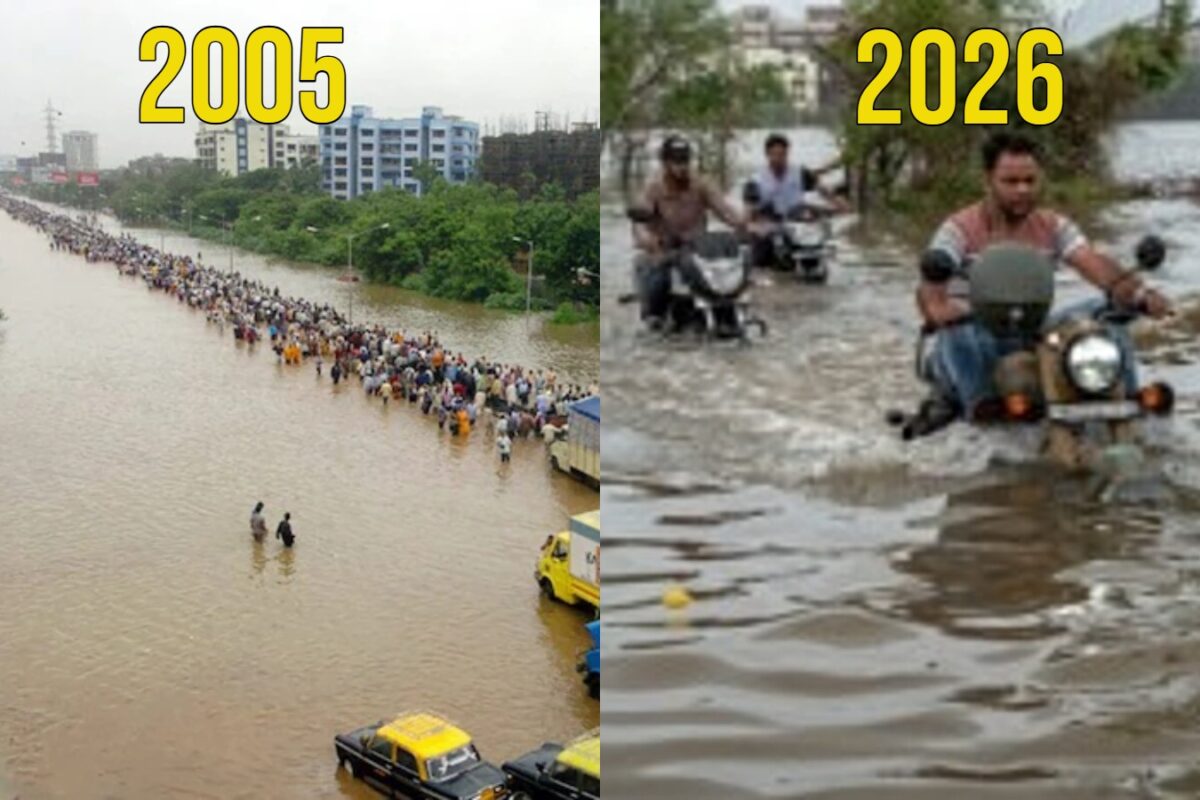
Mumbai 26/7 Floods: 21 Years Later, Is The City Ready For Another Deluge? Published By, Last Updated: July 26, 2026, 10:56 IST Twenty-one years after Mumbai’s devastating 26/7 floods, the city has upgraded infrastructure but recurring waterlogging raises questions about monsoon preparedness. Rapid Read Twenty-one years after the devastating 26/7 floods, Mumbai continues to battle recurring monsoon waterlogging despite major infrastructure upgrades. (Images: AFP/File) 21 Years After Mumbai 26/7 Floods: On July 26, 2005, Mumbai witnessed one of the worst urban flooding disasters in India’s history. In a span of about 24 hours, the city recorded 944 mm of rainfall, including around 644 mm in a 12-hour period, overwhelming its drainage system and bringing India’s financial capital to a halt. Roads turned into rivers, suburban railway services stopped, flights were disrupted and thousands of people were stranded across the city. Several low-lying neighbourhoods remained submerged for days as overflowing rivers, blocked drains and high tides worsened the crisis. Read More: Mumbai 26/7 Floods: 21 Years Later, Powerful Photos From The 2005 Deluge The disaster exposed Mumbai’s vulnerability to extreme rainfall events and raised urgent questions about urban planning, drainage capacity and disaster preparedness. Casualties: Hundreds Lost Their Lives The 26/7 floods claimed more than 500 lives in Mumbai and surrounding areas, with many deaths caused by drowning, electrocution, landslides and building collapses. Thousands of homes were damaged, and lakhs of commuters were left stranded. The scale of the disaster also revealed how dependent Mumbai was on its transport networks and how quickly normal life could collapse when critical infrastructure failed. Why Did Mumbai Flood So Badly? Several factors combined to create the unprecedented flooding Extreme Rainfall in a Short Period: The intensity of rainfall overwhelmed Mumbai’s stormwater drainage network, which was designed for much lower rainfall levels.
Ageing Drainage System: The city’s drainage infrastructure had struggled to keep pace with rapid urban expansion. Many drains were unable to carry excess water during intense rainfall. Loss of Natural Flood Absorption Areas: The disappearance of wetlands, mangroves and open spaces reduced the city’s ability to absorb and manage excess rainwater. Mithi River Crisis: The Mithi River, which plays an important role in carrying stormwater into the sea, became heavily polluted and obstructed by encroachments, affecting its flow during heavy rainfall. High Tide Effect: The timing of heavy rainfall with a high tide prevented rainwater from draining quickly into the sea, worsening flooding. Mumbai’s Comeback After 26/7 The disaster pushed authorities to undertake several measures aimed at improving flood management. Brihanmumbai Municipal Corporation’s Stormwater Drain Upgrade Mumbai launched the BRIMSTOWAD (Brihanmumbai Storm Water Disposal System) project to improve drainage capacity. The project focused on upgrading drains, pumping stations and flood-prone areas. However, implementation has progressed gradually over several years, with challenges related to funding, land availability and urban constraints. Flood Control Pumps and Infrastructure Improvements The city installed additional pumping stations in vulnerable locations, including areas near the coast, to help remove accumulated water during heavy rainfall. Mithi River Restoration Efforts After 26/7, attention increased on cleaning and widening sections of the Mithi River, improving its ability to carry stormwater. Better Weather Forecasting and Alerts Mumbai has also improved its weather monitoring systems, with more detailed rainfall forecasts, emergency alerts and disaster response coordination. 21 Years Later: Why Does Mumbai Still Flood Every Monsoon? Despite improvements, flooding remains a recurring problem. Every monsoon, heavy rainfall brings back familiar images of flooded roads, stranded vehicles and disrupted suburban train services. Mumbai’s challenge today is different from 2005. The city may be better equipped to respond, but increasing rainfall intensity, rapid urbanisation and climate-related risks continue to test its resilience.
 The BriefWire