‘Eating Chicken Biryani On Ganga No Crime’: SC Justice Bhuyan Slams Criminalisation Of Dissent
‘Eating Chicken Biryani On Ganga No Crime’: SC Justice Bhuyan Slams Criminalisation Of Dissent Written By, Last Updated: July 26, 2026, 06:26 IST Justice Ujjal
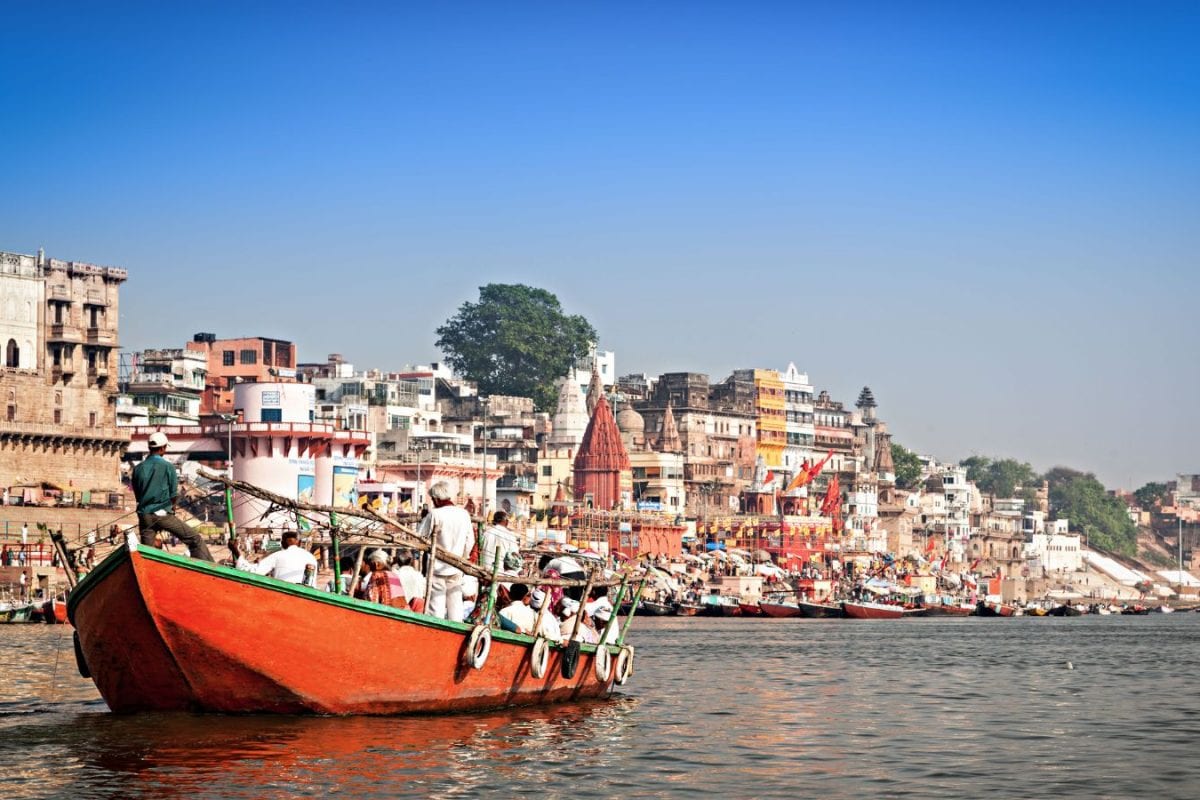
‘Eating Chicken Biryani On Ganga No Crime’: SC Justice Bhuyan Slams Criminalisation Of Dissent Written By, Last Updated: July 26, 2026, 06:26 IST Justice Ujjal Bhuyan highlighted how people voicing their rights face immediate arrest, prolonged detention, and bureaucratic delays in securing basic legal relief To illustrate the troubling extent of state overreach and judicial reticence, Justice Bhuyan cited the stark example of a group of young Muslims who were jailed for three months after organising an Iftar gathering on a boat in the middle of the River Ganga. Representational image In a powerful critique of the growing intolerance towards public disagreement, Supreme Court Justice Ujjal Bhuyan has expressed deep concern over the systematic erosion of democratic spaces in India. Delivering the 5th Justice GP Singh Memorial Lecture at the Law Institute University (NLIU) in Bhopal, the apex court judge warned that peaceful assembly, debate, and dissent are increasingly being treated as criminal acts.
Justice Bhuyan highlighted how ordinary citizens, environmental campaigners, and university students voicing their rights face immediate arrest, prolonged detention, and bureaucratic delays in securing basic legal relief. Criminalising Non-Offences: The Ganga Boat Iftar Case To illustrate the troubling extent of state overreach and judicial reticence, Justice Bhuyan cited the stark example of a group of young Muslims who were jailed for three months after organising an Iftar gathering on a boat in the middle of the River Ganga. Absence of Legal Offence: “I am sure consuming chicken biryani is not an offence," Justice Bhuyan remarked, pointing out that no law prohibits eating chicken on the river. Disproportionate Incarceration: Questioning how individuals could be incarcerated for months over conduct that constitutes no statutory crime, he noted that the public is closely observing these judicial outcomes. Campus Protests: He similarly criticised the trend of detaining student activists for 30 to 40 days over peaceful campus demonstrations, forcing them into prolonged legal battles merely to safeguard their academic careers.
Restrictive Bail Conditions as ‘Self-Censorship’ Justice Bhuyan also raised serious concerns regarding the nature of relief being granted by courts. Even when bail is eventually allowed, trial courts and high courts frequently impose onerous conditions that effectively strip individuals of their fundamental constitutional freedoms. Barring undertrials from addressing public meetings, directing them to surrender passports when no flight risk exists, or ordering social media silences amounts to enforcing judicial self-censorship. Such directions, he cautioned, send a dangerous message to society that participating in public discourse carries severe personal penalties. A Call for Academic and Judicial Inquisitiveness Emphasising the vital role of higher education, Justice Bhuyan urged law universities to foster critical thinking rather than conformity. He stressed that universities must remain open spaces where students are encouraged to question established norms, analyse court rulings critically, and challenge authority constructively, rather than being subjected to punitive disciplinary action or criminal prosecution.
 The BriefWire