Longer jail terms, faster trials: Proposed key changes in anti-cheating law
The Union government is set to table the Public Examinations (Prevention of Unfair Means) Amendment Bill, 2026 in the Lok Sabha on Monday, July 27
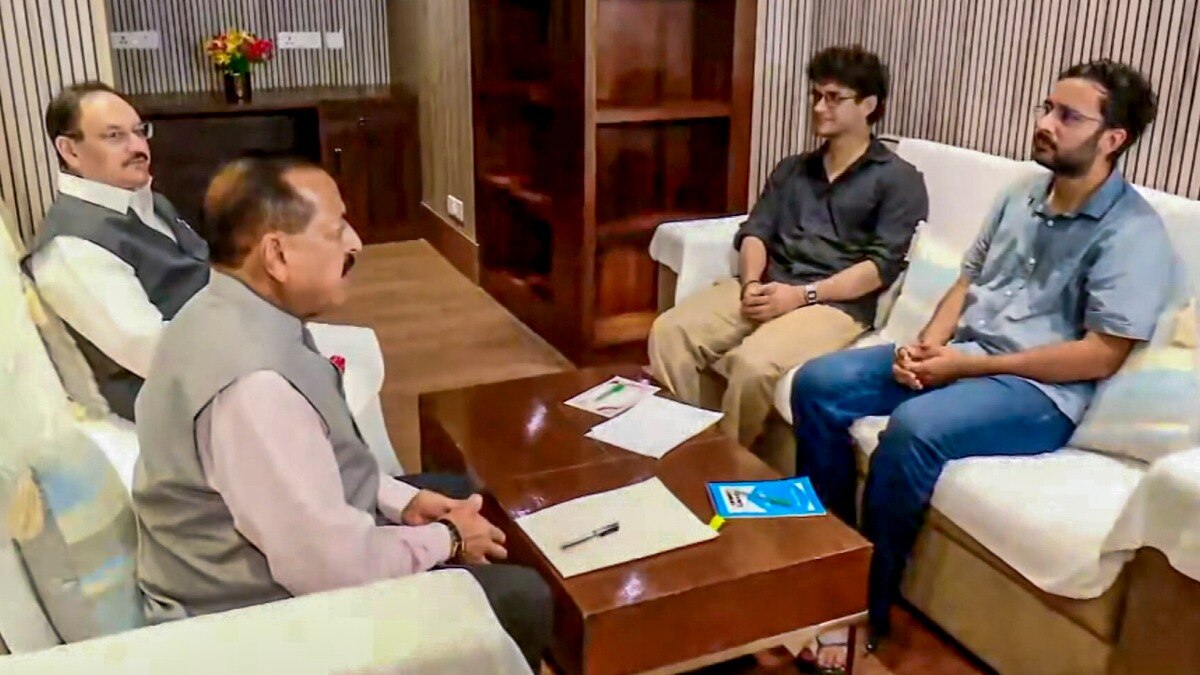
The Union government is set to table the Public Examinations (Prevention of Unfair Means) Amendment Bill, 2026 in the Lok Sabha on Monday, July 27, as it seeks to strengthen the legal framework against examination-related fraud. The amendments are aimed at strengthening the 2024 law by introducing harsher punishments, ensuring time-bound investigations and trials, and creating special fast-track courts to ensure speedy justice. Read Full Story The Public Examinations (Prevention of Unfair Means) Amendment Bill, 2026 seeks to significantly strengthen India's legal framework against examination malpractices by introducing tougher penalties, faster investigations, and time-bound trials. The proposed amendments aim to improve accountability, deter organised examination-related fraud, and restore confidence in the country's public examination system. WHY THE GOVERNMENT IS BRINGING AMENDMENT BILL The amendment bill is being brought against the backdrop of the NEET-UG 2026 paper leak, which sparked widespread protests by students across the country and intensified demands for tougher anti-cheating laws, greater transparency, and stronger accountability in the conduct of public examinations. The move comes just hours after the Cockroach Janta Party (CJP) called off its protest at Delhi's Jantar Mantar on Saturday, saying the government had agreed to its principal demands and assured action on the issue. As per the Lok Sabha's list of business, Union Minister Dr Jitendra Singh is scheduled to introduce the legislation. Following its introduction, he is also expected to seek the House's approval to take up the Bill for discussion and passage. Amid escalating protests over the alleged NEET paper leak and mounting political pressure, Prime Minister Narendra Modi on Thursday unveiled a series of measures aimed at tackling examination fraud, including the creation of fast-track courts to expedite trials in paper leak cases. The announcement came as students continued demonstrations in Delhi, demanding the resignation of Union Education Minister Dharmendra Pradhan, while the issue also dominated proceedings in Parliament. Pradhan resigned as Union Education Minister on Saturday. "We have decided to set up fast-track courts to ensure swift and stringent punishment for those involved in paper leaks.
Have directed the concerned authorities and officials to take all necessary steps in this regard," the Prime Minister said. PM Modi stressed that safeguarding students' interests remained a key priority for his government and warned that any attempt to compromise the future of young aspirants would be dealt with firmly. He added that the fast-track courts were part of a broader strategy to strengthen the integrity of the country's examination system. The announcement followed criticism of the government's handling of protests, particularly after police action against demonstrators marching towards Parliament on July 20. Meanwhile, Leader of Opposition Rahul Gandhi intensified his attack on the government, alleging that there had been 152 examination paper leaks over the past decade without a single conviction. He argued that the recurring incidents had severely undermined India's education system and called for greater accountability. WHAT CHANGES FROM THE 2024 LAW? Against this backdrop, let us see how this amendment differs from the principal 2024 Act, which was enacted with the objective of bringing greater transparency, fairness, and credibility to the public examination system, inspiring confidence among candidates and effectively deterring persons, organised groups, and institutions from indulging in unfair means. STRICTER PUNISHMENT FOR INDIVIDUALS AND ORGANISED CRIME FRAUD One of the most significant changes proposed in the Bill is the enhancement of punishments for those found guilty of examination fraud. The proposed amendments significantly enhance penalties for both individual offenders and organised examination-related fraud. For individuals found guilty of using unfair means in public examinations, the Bill proposes increasing the prison term to five to 10 years, up from the existing three to five years. It also seeks to raise the maximum fine from Rs 10 lakh to Rs 50 lakh, signalling a much tougher stance against examination malpractice. The legislation also introduces stricter punishments for organised examination-related crimes. The minimum imprisonment for those involved in organised paper leak rackets or cheating networks has been increased from five years to seven years, while the minimum fine has been raised tenfold—from Rs 1 crore to Rs 10 crore.
 The BriefWire