Energy security: What India’s crude, LPG & LNG strategic reserves strategy should look like
Experts point out that India's strategic petroleum reserve policy should evolve into a broader energy security strategy that covers crude oil, LPG, and LNG. India's
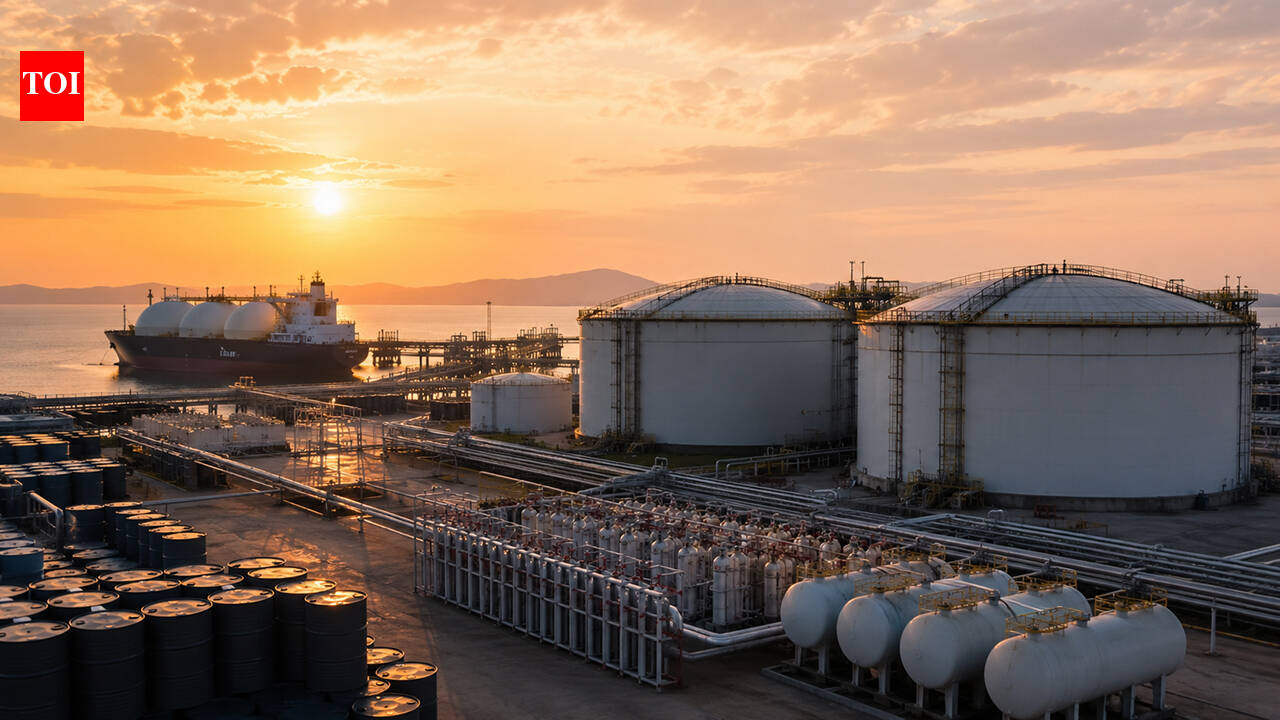
Experts point out that India's strategic petroleum reserve policy should evolve into a broader energy security strategy that covers crude oil, LPG, and LNG. India's Energy Security Strategy What should India’s immediate and long-term energy security plans look like? We decode Focus on strategic petroleum reserves What Are Strategic Petroleum, LPG & LNG Reserves? A minimum stockholding requirement, so that storage capacity is not left underutilized. A transparent drawdown and release framework, with clearly defined triggers such as geopolitical conflicts, sanctions, shipping disruptions, extreme price shocks or major supply outages A counter-cyclical inventory build-up mechanism that encourages reserve accumulation during periods of low global oil prices rather than relying on emergency purchases during crises LPG stocks Why are strategic reserves important? Regional and inland storage to manage port congestion, monsoon-related disruption, transport bottlenecks and local demand spikes. Mandatory minimum inventories for oil marketing companies. Priority allocation rules for households and essential users during supply stress. Better last-mile resilience through bottling plants, rail connectivity, road logistics and cylinder distribution networks. From reactive to resilient strategy LNG strategy Focus on ability to respond rapidly What should be the strategy right now? For crude oil, the objective should be to progressively move towards 90 days of import cover through a combination of SPRs, refinery stocks and overseas storage partnerships. For LPG, where import dependence creates a significant vulnerability, India should target 30–40 days of dedicated inventories through expanded terminal storage while developing underground LPG caverns. For LNG, the priority should be establishing 15–30 days of strategic storage through additional LNG tankage and future storage facilities at regasification terminals already in existence. Interim strategy also important India’s energy security has been in sharp focus since the start of the US-Iran conflict. The need for robust strategic reserves to counter impact of global supply disruptions cannot be overstated.India's dedicated Strategic Petroleum Reserves capacity stands at 5.33 MMT, spread across Visakhapatnam, Mangaluru, and Padur, which is equivalent to roughly 9.5 days of crude oil consumption as per PIB data released in March 2026. The government has approved the Phase II expansion of 6.5 MMT at Chandikhol (Odisha) and Padur (Karnataka) under the PPP model.Once completed, the total strategic petroleum reserves capacity will increase to 11.88 MMT, enabling India to move significantly closer to the 90-day reserve target.India is working with the UAE for 30 million barrels of crude of storage capacity.But, importantly, experts point out that India's strategic petroleum reserve policy should evolve into a broader energy security strategy that covers crude oil, LPG, and LNG.Pranav Master, Director, Crisil Intelligence advocates a three-tier strategic reserves policy: large physical reserves for crude oil, distributed operational-security reserves for LPG, and a mainly contractual or virtual reserve model for LNG, because LNG is expensive and technically difficult to store for long periods.Experts advocate a proactive approach to maintaining strategic reserves, with long-term to medium and immediate objectives in mind.Sourav Mitra, Partner – Oil & Gas, Grant Thornton Bharat says that for crude oil, India should target a minimum of around 30 days of dedicated strategic reserves managed by Indian Strategic Petroleum Reserve Limited (ISPRL).This should be complemented by a mandatory 60 days of commercial refiner operational stock.
 The BriefWire