How rookies outplayed India's political veterans
When the Cockroach Janta Party (CJP) first appeared on the national stage, it looked like the kind of outfit India's political establishment has seen, and
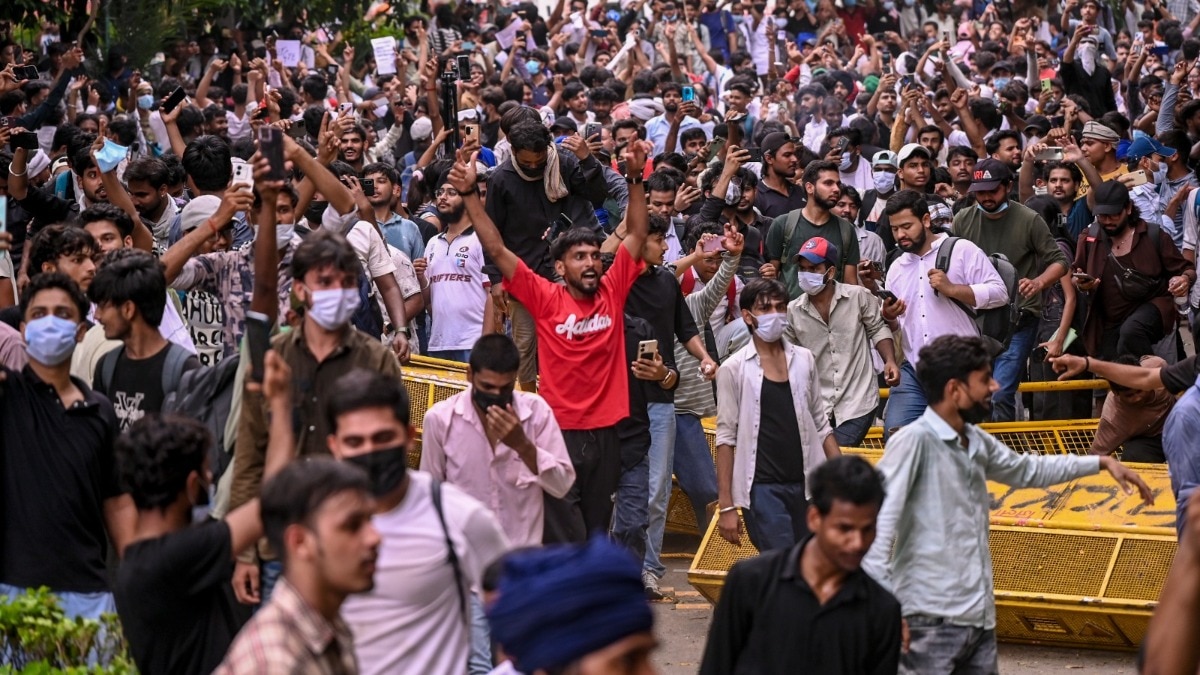
When the Cockroach Janta Party (CJP) first appeared on the national stage, it looked like the kind of outfit India's political establishment has seen, and survived, many times before. A handful of young faces, angry students, slogans demanding accountability and a government insisting it would not bend. The script felt familiar. The ending did not. With the CJP starting the students' protest and pressing on for weeks, the Narendra Modi government finally blinked on Saturday. The government accepted its key demands, Education Minister Dharmendra Pradhan resigned, and the students called off their protest claiming victory. In a political system where governments, especially this one, have earned a reputation for digging in their heels, this is no small achievement. Read Full Story The obvious explanation is that the protests became too big to ignore. But size alone doesn't explain what happened. India has witnessed larger demonstrations over the past decade — from anti-CAA protests to the year-long farmers' agitation to the demonstrations over Manipur violence. They drew enormous crowds, dominated television debates and, in some cases, forced policy recalibrations. Yet few managed to extract political accountability at the very top. Even during the NEET paper leak controversy in 2024, the government weathered weeks of outrage without sacrificing its Education Minister. This time, it blinked. The difference lay not just in what the students demanded, but in how they fought. The political class spent much of the protest assuming experience would eventually prevail. After all, Indian politics has no shortage of professionals when it comes to agitations. There are politicians who have spent decades mastering the optics of dharnas, hunger strikes and Parliament walkouts. There are leaders who know precisely when to escalate, when to negotiate and when to settle for incremental gains. Standing across from them was a group of individuals, who, until a few weeks ago, were virtually unknown. On paper, it looked like a mismatch. In practice, it turned into a masterclass in how the rules of protest politics have quietly changed. WHAT WORKED FOR CJP One of CJP's biggest advantages was that it didn't behave like a political party because it wasn't one.
That may sound obvious, but it fundamentally altered the government's response. Over the years, some within the protests gave the BJP the scope to reframe their movements through an absolute political lens. Be it the 2024-25 farmers' agitation, anti-CAA demonstrations, or campus protests. Once a movement acquires a partisan identity, governments find it easier to dismiss criticism as electoral theatre rather than public anger. The students denied the government that familiar script. Opposition leaders rushed to support them, sensing an opportunity, but the CJP carefully ensured that politicians remained supporters, not protagonists. Several Opposition parties and regional leaders amplified the movement, yet the cameras stayed fixed on student protesters rather than seasoned politicians. The distinction mattered. It became increasingly difficult to argue that the agitation was orchestrated by political rivals when its most recognisable faces had no electoral ambitions, no party offices and no obvious political careers to protect. Ironically, what looked like inexperience turned into one of CJP's greatest strengths. Veteran politicians often negotiate with one eye on the immediate issue and the other on future political equations. Students don't. The movement's demands remained strikingly consistent from beginning to end. Accountability, systemic reforms and Dharmendra Pradhan's resignation were not bargaining chips to be traded away in backroom negotiations; they were presented as non-negotiable. That consistency gave the protests an authenticity that political campaigns often struggle to maintain. The rhetoric followed the same pattern. Instead of allowing the movement to balloon into a catch-all campaign against the government, the student leaders repeatedly returned to the same message: this was about examinations, merit and the future of millions of young Indians. That discipline prevented the debate from drifting into ideological territory. It also made the protests relatable to parents, teachers and even many who may not have agreed with the Opposition politically but believed students deserved answers. THE BATTLES THAT WERE NOT FOUGHT ON STREETS If the streets were one battlefield, however, social media was the other — and this is where the generational divide became impossible to ignore. Previous protest movements treated platforms like Facebook, X or Instagram as places to post updates.
 The BriefWire