GK: Dharmendra Pradhan Only The Second Modi Govt Minister To Quit Over A Row Since 2014. Who Was The First?
GK: Dharmendra Pradhan Only The Second Modi Govt Minister To Quit Over A Row Since 2014. Who Was The First? Written By, Last Updated: July
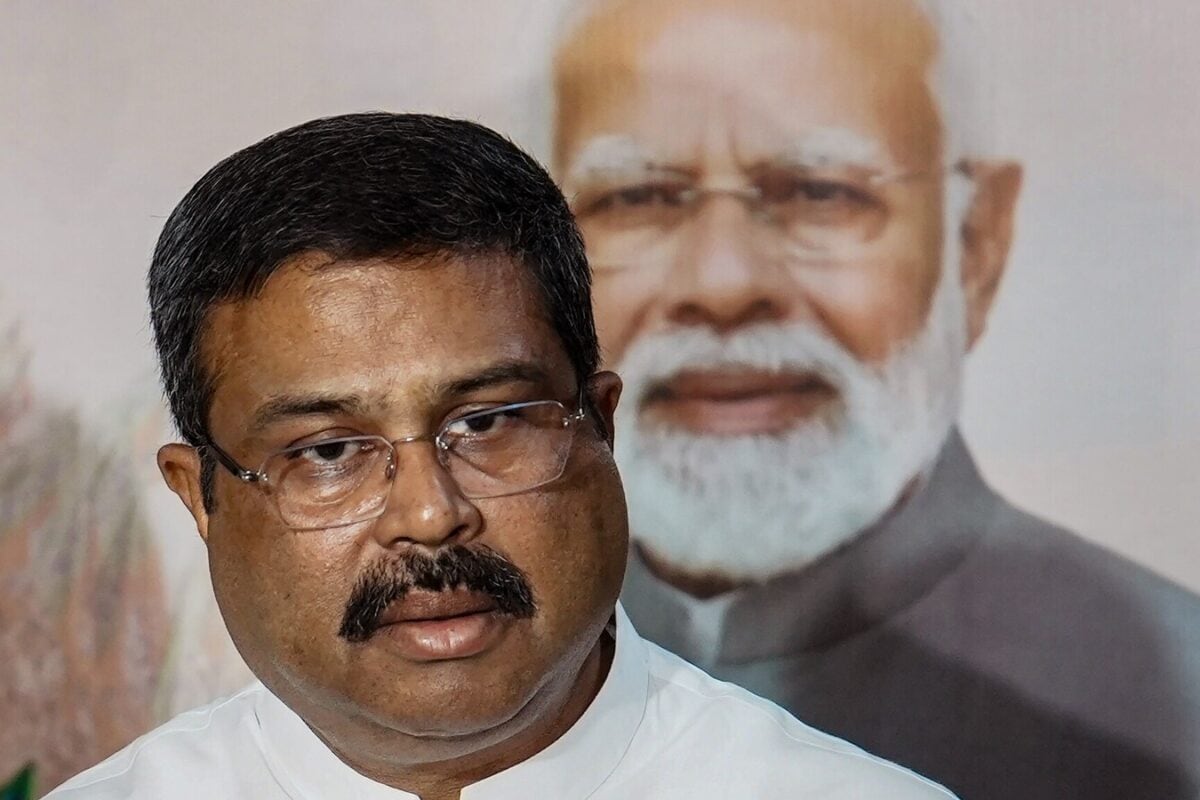
GK: Dharmendra Pradhan Only The Second Modi Govt Minister To Quit Over A Row Since 2014. Who Was The First? Written By, Last Updated: July 25, 2026, 19:37 IST Across more than twelve years and three consecutive terms of the Modi government, ministerial resignations triggered by public controversies remain exceptionally infrequent Union Education Minister Dharmendra Pradhan tendered his resignation following weeks of student protests. File pic/PTI Union Education Minister Dharmendra Pradhan’s resignation following protests over the NEET-UG examination controversy marks a rare moment in contemporary Indian political history. Across more than twelve years and three consecutive terms of the Narendra Modi administration since 2014, ministerial resignations directly triggered by public controversies remain exceptionally infrequent. In fact, Pradhan is only the second Union Minister in the Modi government to step down amid a high-profile row. The first was former Minister of State for External Affairs, MJ Akbar, who tendered his resignation in October 2018. While Shiromani Akali Dal (SAD) leader Harsimrat Kaur Badal resigned from the Narendra Modi cabinet in 2020 objecting to three controversial farm bills, she wasn’t the focus of the row.
The First Precedent The sole prior instance of a Union Minister resigning while being at the centre of a public controversy occurred on October 17, 2018, when veteran journalist-turned-politician MJ Akbar stepped down from the Ministry of External Affairs. Akbar’s departure came in the wake of widespread allegations dating back to his previous career as a newspaper editor, which surfaced during the height of the global #MeToo movement. The Context: Multiple former colleagues and journalists brought forward personal accounts regarding workplace conduct during his years in the media industry. The Official Rationale: In his official resignation statement, Akbar stated that he chose to step down to challenge the allegations in court in his personal capacity, ensuring that the legal process did not distract from government functioning. The Outcome: His exit allowed the administration to maintain focus on diplomatic priorities while the legal proceedings moved to the judiciary. Why Ministerial Exits Are Exceedingly Rare Under the current governance model established in 2014, cabinet stability and structural continuity have been central pillars. While several ministers have exited the Council of Ministers during periodic cabinet reshuffles or administrative realignments, resignations forced by external political pressure or public rows remain an anomaly.
 The BriefWire