Mojtaba Khamenei 'Far More' Likely To Seek Nuclear Weapons Than Father, Says US Intel
Mojtaba Khamenei 'Far More' Likely To Seek Nuclear Weapons Than Father, Says US Intel Published By, Last Updated: July 25, 2026, 19:17 IST US intelligence
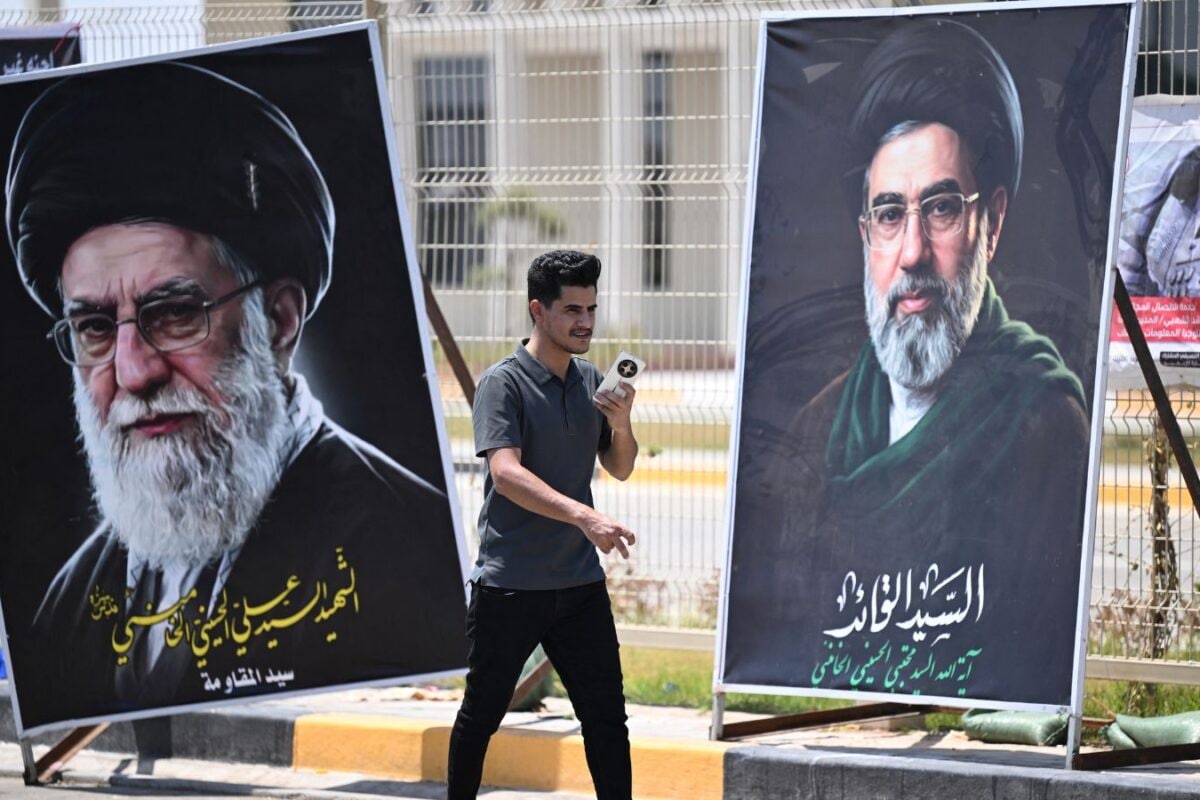
Mojtaba Khamenei 'Far More' Likely To Seek Nuclear Weapons Than Father, Says US Intel Published By, Last Updated: July 25, 2026, 19:17 IST US intelligence had gathered information that suggested that Ali Khamenei's son, Mojtaba Khamenei, could be keener to acquire nuclear weapons than his father. Rapid Read Mojtaba Khamenei might be keener than his father Ali Khamenei on getting nuclear weapons. (Image source: AFP) US intelligence believes Iran’s new Supreme Leader, Mojtaba Khamenei, is more inclined to pursue nuclear weapons than his father, according to a New York Times report. The assessment is based on intelligence gathered before the current conflict, including intercepted conversations. Officials say Mojtaba is seen as less hesitant about developing nuclear weapons compared to Ali Khamenei, who was widely viewed as more cautious. The elder Khamenei was killed in Israeli strikes at the start of the war on February 28. The report notes that this is not new intelligence collected after Mojtaba took power, but rather an interpretation of earlier material. Western intelligence agencies have long rejected Iran’s claim that it never sought nuclear weapons, while Israel has argued that Tehran has taken steps toward weaponisation in recent years.
US officials now believe that factions within Iran pushing for nuclear capability have gained influence, arguing that such weapons are necessary to deter future attacks. Separately, The Wall Street Journal reported that Israel believes Iran has moved thousands of centrifuges to a heavily fortified underground site near Natanz, known as Pickaxe Mountain. The facility is buried deep, making it difficult to target in airstrikes. It remains unclear where the centrifuges were transferred from. Iran has not allowed inspectors from the International Atomic Energy Agency (IAEA) access to the site and has provided limited details about its activities. However, Iranian leadership has countered these claims. Even on July 22, Esmail Baghaei, spokesperson for the Foreign Minister of the Iran, had said in a tweet, “Iran’s nuclear activities have been fully declared to the IAEA in accordance with its safeguards obligations… By the way, where is the Director General of the IAEA, who is also a candidate for UN Secretary-General?" The comments seemed to suggest Iran is open to inspection.
Under the civil nuclear deal which Iran had struck with the Barak Obama-led US administration, Iran had allowed inspections. IAEA chief Rafael Grossi had earlier said Iran indicated plans for nuclear work at the site as far back as 2021. Iranian officials reportedly believe the facility is secure from US strikes and have reinforced it against potential attacks, including the risk of a commando raid. Tensions between the US and Iran have escalated again after a brief ceasefire and a June memorandum aimed at ending the conflict collapsed. The US has stepped up airstrikes, while Iran has responded with missile and drone attacks on US bases in the region. In 2025, the US had already struck key Iranian nuclear sites at Fordo, Isfahan and Natanz, all of which were involved in uranium enrichment. Iran continues to deny that it is seeking nuclear weapons. However, the IAEA estimates that it had amassed over 440 kilograms of uranium enriched to up to 60% purity before the latest conflict. That level is close to weapons-grade and could, if further enriched, be sufficient for multiple nuclear weapons.
 The BriefWire