Why Dharmendra Pradhan’s Resignation Is A Calculated Political Move: Inside Details | Exclusive
Why Dharmendra Pradhan’s Resignation Is A Calculated Political Move: Inside Details | Exclusive Reported By, Last Updated: July 25, 2026, 17:46 IST "The government was
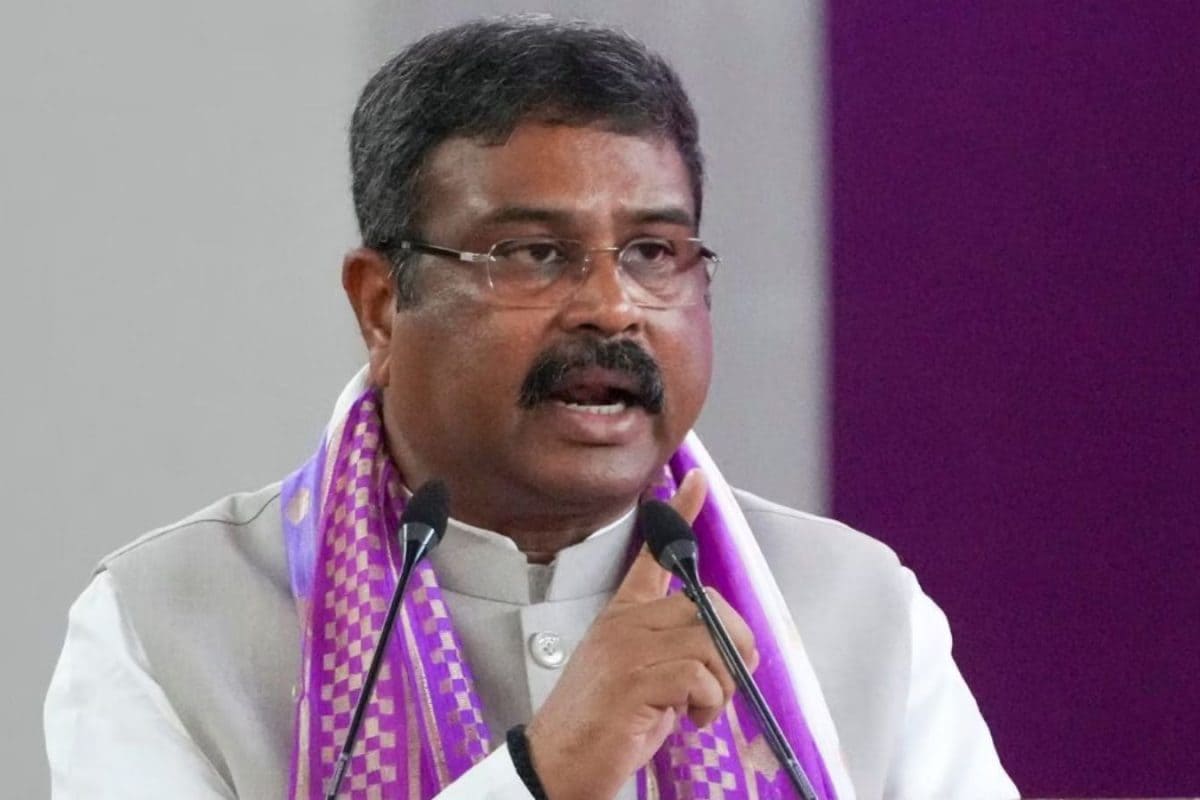
Why Dharmendra Pradhan’s Resignation Is A Calculated Political Move: Inside Details | Exclusive Reported By, Last Updated: July 25, 2026, 17:46 IST "The government was clear from Day One that it did not want students to become soft targets," a top government source said Rapid Read Dharmendra Pradhan. (File Photo) The resignation of Dharmendra Pradhan as the Education Minister following nationwide protests over NEET-UG paper leaks was a calculated political and administrative decision aimed at preventing student unrest from being exploited by political interests, top government sources told CNN-News18. According to the sources, the government acknowledged that systemic lapses and irregularities in major national entrance examinations were genuine failures that warranted accountability. Accepting Pradhan’s resignation, they said, was an acknowledgment of these shortcomings and reflected the Prime Minister’s view that the concerns raised by affected students were legitimate. DHARMENDRA PRADHAN’S RESIGNATION Pradhan announced his decision in a statement, saying the developments of the past 10 days had “saddened" him deeply and that the issue was “not a matter of personal prestige".
Noting that he did not want “anti-national forces" to exploit the situation, Pradhan said he wanted to ensure that “the unity of the nation remains intact", “the future of even a single student should not become entangled in legal complications" and that students devote their time to studies and building their careers. “Keeping all these considerations in mind, I have sent my resignation to the Hon’ble Prime Minister," he said. Pradhan’s resignation came a day after the Centre announced measures to address concerns over examination irregularities. These measures included a proposed law prescribing stringent punishment for paper leak involvement and establishing fast-track courts for speedy trials. Delhi | Union Ministers JP Nadda and Jitendra Singh hold third round of talks with Cockroach Janta Party’s Chief Spokesperson Saurav Das and its Spokesperson Ashutosh Ranka. pic.twitter.com/MbVp9y4c4m— ANI (@ANI) July 25, 2026 The protests were spearheaded by the CJP, a platform launched by former AAP functionary Abhijeet Dipke as a satirical online campaign in May before it turned into one of the most significant youth-led movements in recent times.
Hailing the resignation as a victory for democracy, Dipke announced at the Jantar Mantar protest site that the agitation would continue until its remaining demands were met. “This is democracy. He has resigned. We have two more demands. We won’t go like this," he said. WHAT GOVT SOURCES SAID “The government was clear from Day One that it did not want students to become soft targets," a top government source said, adding that addressing the principal demand of the protesters would help students return their focus to academics rather than prolonged agitation. The move is also intended to de-escalate protests at key locations such as Jantar Mantar and reduce the possibility of “anti-national forces" and “opportunistic factions" exploiting student anger for political purposes, the sources said. In his resignation statement, Pradhan also stressed the need to ensure that genuine student grievances were not hijacked by elements seeking to benefit from the unrest or spread anti-India sentiment. With the immediate political standoff brought to a close, the government’s focus will now shift to structural reforms of the examination system.
 The BriefWire