Dharmendra Pradhan gave the government an out from a hot mess
For weeks, the Narendra Modi government threw everything it had at the NEET-UG crisis except the one thing the protesters wanted most- the resignation of
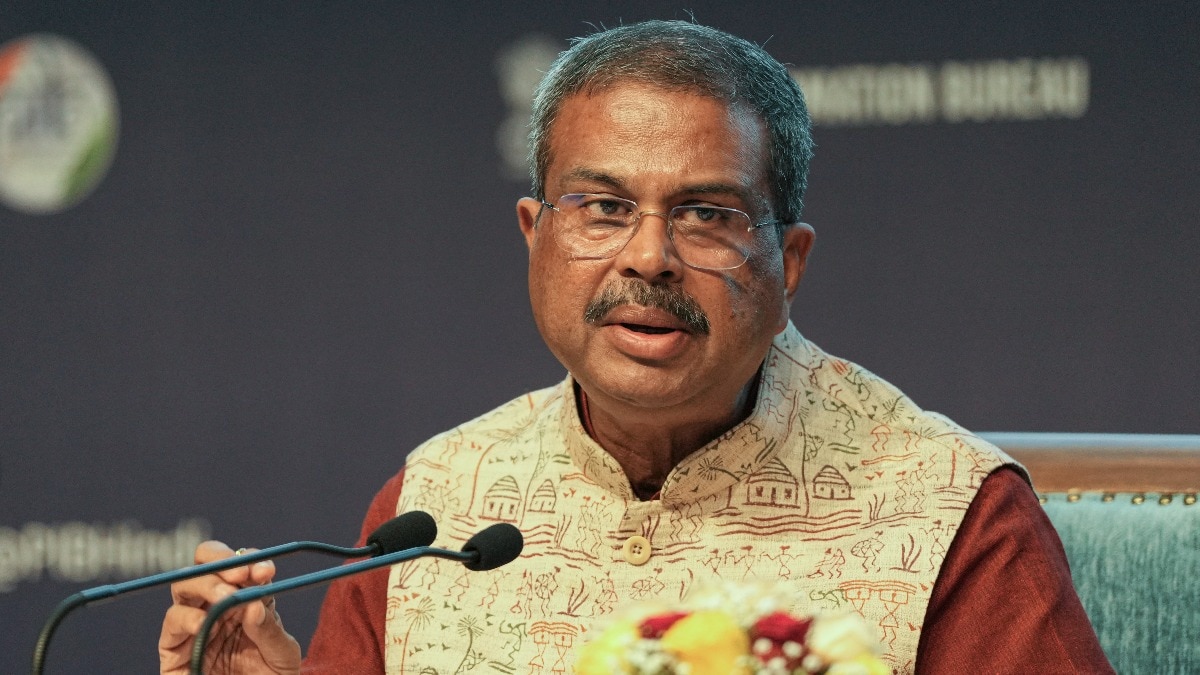
For weeks, the Narendra Modi government threw everything it had at the NEET-UG crisis except the one thing the protesters wanted most- the resignation of Education Minister Dharmendra Pradhan. The government ordered a CBI probe, cancelled and reconducted the NEET examination, promised stricter anti-paper leak laws, and shuffled bureaucrats. Even Prime Minister Narendra Modi personally reached out to students twice via short video messages on social media. Yet, the protests only grew larger, spread beyond Delhi and brought Parliament to a standstill. Read Full Story The government's own negotiators were hearing the same message in repeated rounds of talks with the Cockroach Janta Party (CJP): Dharmendra Pradhan's resignation was non-negotiable. Protest leaders also warned that if the government continued to hold the line, the agitation would soon move beyond the Education Minister and even target Prime Minister Narendra Modi. By Saturday, the government's options had narrowed dramatically. Dharmendra Pradhan's resignation — once dismissed as unthinkable — had become the only off-ramp from a crisis that refused to die. In one of the rarest political concessions of the Modi era, Pradhan stepped down, taking what sources described as "moral responsibility" for the NEET-UG paper leak controversy. The resignation instantly transformed the political landscape. At Jantar Mantar, where the agitation had become the epicentre of student anger, celebrations broke out. The demand that had sustained the movement since June 6 had finally been met. More importantly for the government, the resignation offered something every other intervention had failed to achieve — an exit from a political dead end. WHEN RESIGNATION WAS IN ZONE OF CONSIDERATION Just 24 hours earlier, Pradhan's resignation was only in the zone of consideration.
Until then, the government's position had been uncompromising. Ministers in the PM Modi-led government do not resign because of Opposition pressure or street protests; departures usually happen only during Cabinet reshuffles. The government's initial instinct was to hold that line. That strategy increasingly became untenable. The protest, launched by the Cockroach Janta Party (CJP), began as a campaign over the alleged NEET-UG paper leak. Activist Sonam Wangchuk's indefinite fast gave it national visibility. Even after Wangchuk ended his fast on health grounds, the movement refused to lose momentum. Instead, it acquired a life of its own. The July 20 police crackdown on protesters marching towards Parliament proved to be the turning point. Images of students being lathi-charged and detained spread rapidly online, triggering an outpouring of sympathy and drawing thousands more to Jantar Mantar. What had started as a protest over an examination had evolved into a larger expression of public anger over accountability. EVERY MOVE EXCEPT THE ONE PROTESTERS WANTED As pressure mounted, the government tried almost every available option without touching the political demand at the heart of the agitation. The Education Secretary was replaced. The Centre promised fast-track courts to deal with paper leak cases. Prime Minister Modi announced plans to strengthen the Public Examinations (Prevention of Unfair Means) Act with tougher penalties. He personally addressed students through social media, urging them to focus on their future and assuring strict action against the "exam mafia". Yet the protesters remained unmoved. Every negotiation between CJP representatives and Union ministers eventually returned to one point: Dharmendra Pradhan's resignation. CJP founder Abhijeet Dipke had publicly warned just a day before the resignation that Pradhan stepping down was "in the government's best interest".
 The BriefWire