Faith Meets Sustainability: Bombay HC Backs New Plan Floated For Ganesh Visarjan
Faith Meets Sustainability: Bombay HC Backs New Plan Floated For Ganesh Visarjan Written By, Last Updated: July 25, 2026, 06:43 IST The proposal, presented by
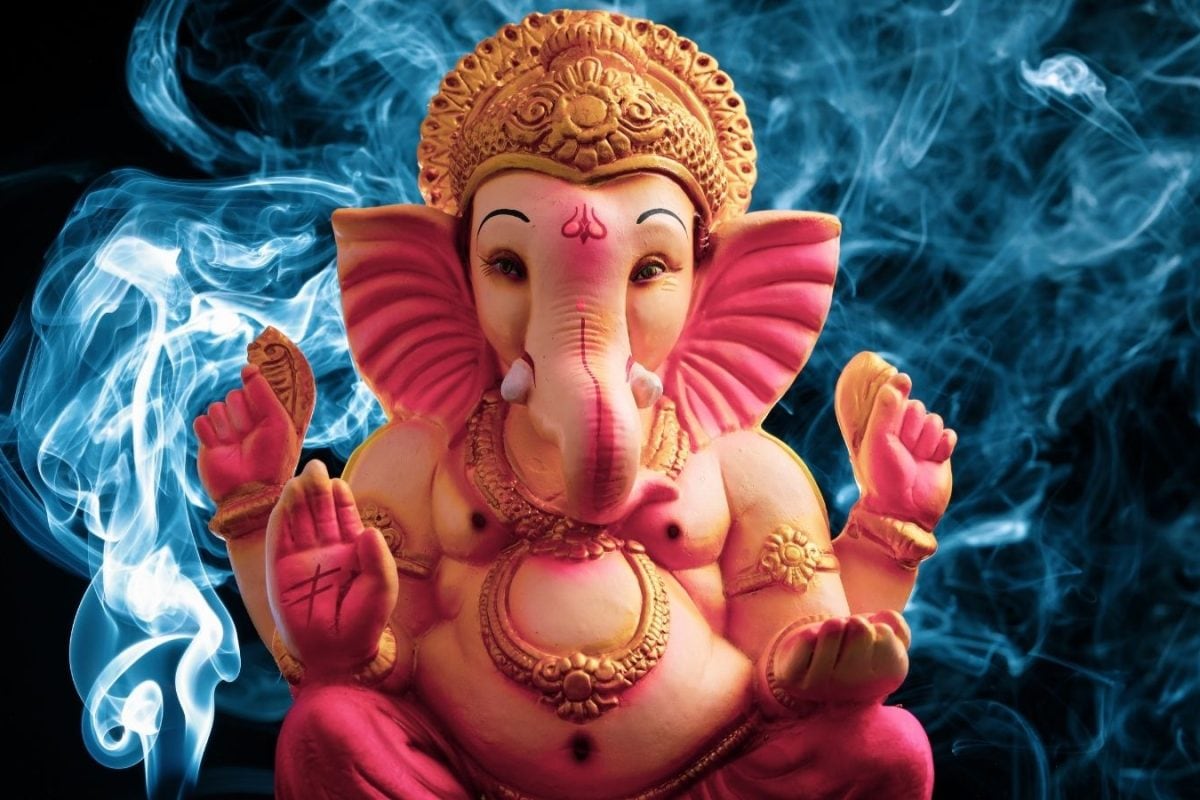
Faith Meets Sustainability: Bombay HC Backs New Plan Floated For Ganesh Visarjan Written By, Last Updated: July 25, 2026, 06:43 IST The proposal, presented by representatives of PoP idol artisans, addresses the administrative and ecological dilemma posed by giant statues By encouraging symbolic immersion for large idols alongside expanded artificial tanks for smaller ones, authorities hope to gradually transform public mindsets. Representational image In a move aimed at reconciling centuries-old religious traditions with pressing environmental safeguards, the Bombay High Court has asked the Maharashtra government to evaluate a proposal for the symbolic immersion of large Plaster of Paris (PoP) Ganesh idols. The suggestion advocates for a ritualistic compromise: performing the traditional visarjan by symbolically touching the feet of massive PoP idols to natural water bodies, after which local civic authorities would take charge of the idols for safe transport, recycling, or eco-friendly storage.
A Sustainable Solution for Large Idols The proposal, presented by representatives of PoP idol artisans, addresses the administrative and ecological dilemma posed by giant statues. While smaller idols under six feet can be accommodated in artificial tanks, massive sarvajanik (community) idols often measuring ten feet or higher present severe logistical challenges for artificial immersion facilities. Observing the merits of the proposal, the High Court noted that symbolic immersion could resolve the recurring friction between environmental mandates and community practices. By preserving the sacred ritual of touching the deity’s feet to water before offsite disposal, the approach offers a balanced path forward. The Environmental and Logistical Challenge Plaster of Paris idols do not dissolve quickly in water, leading to significant siltation, chemical pollution from non-biodegradable paints, and marine ecosystem damage following the annual Ganeshotsav festivities. While the state government acknowledged the environmental impact, it highlighted the sheer scale of execution across urban centres like Mumbai.
Transitioning away from deep-rooted traditions requires a phased, consensual approach rather than abrupt enforcement. Phased Transition: Over 100,000 smaller idols in Mumbai alone have already been successfully diverted to artificial tanks, demonstrating a shift toward greener celebrations. Material Constraints: A sudden, total ban on PoP faces supply shortages of natural clay (shaadu mati), which can also cause subsoil accumulation if used excessively. Reuse Potential: Symbolic immersion allows large artisan-crafted structures to be preserved or recycled rather than deteriorating on seabeds. Balancing Tradition with Ecological Reality The High Court emphasised that long-term ecological solutions must be pragmatic and achievable for local administration. By encouraging symbolic immersion for large idols alongside expanded artificial tanks for smaller ones, authorities hope to gradually transform public mindsets. As Maharashtra moves towards greener festival frameworks, the symbolic immersion model could serve as a sustainable blueprint—protecting aquatic ecosystems while keeping cultural heritage fully intact.
 The BriefWire