From 8 PM Announcements To Midnight Reels: Prime Minister Modi Leads Algorithmic Pivot To Connect With Gen Z
From 8 PM Announcements To Midnight Reels: Prime Minister Modi Leads Algorithmic Pivot To Connect With Gen Z Written By, Last Updated: July 25, 2026
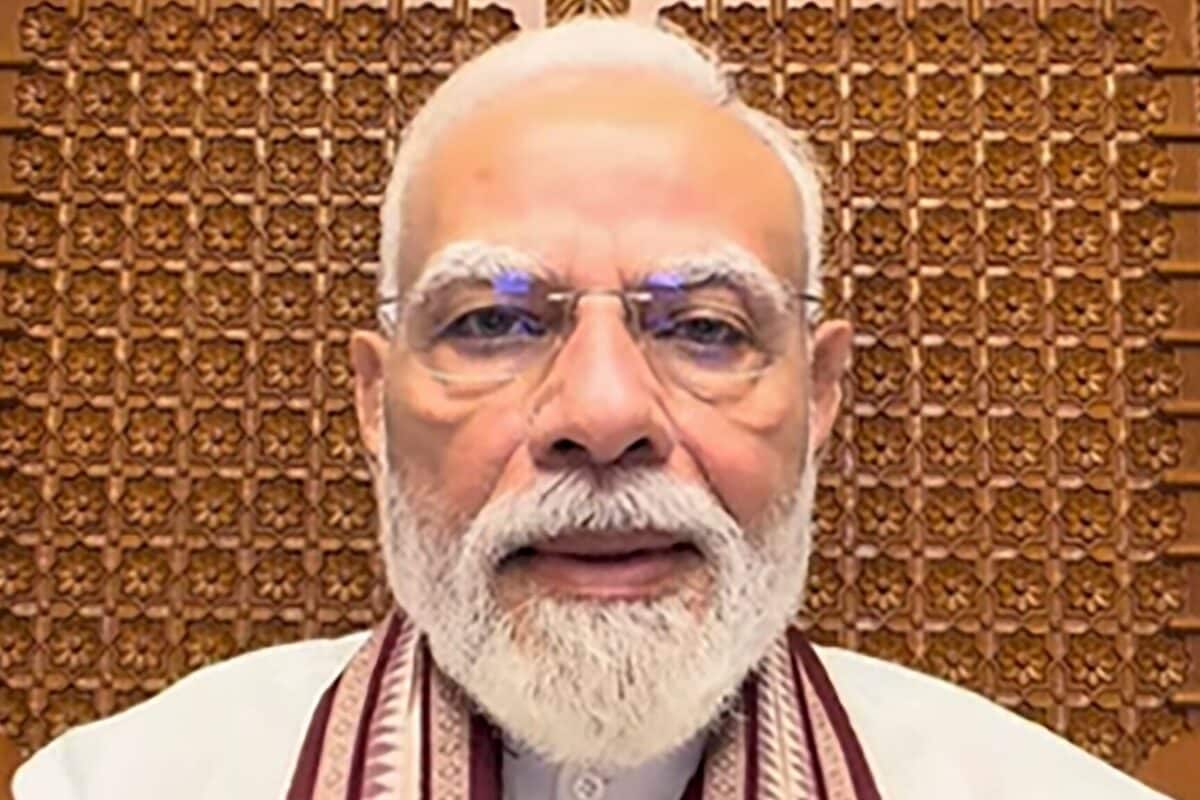
From 8 PM Announcements To Midnight Reels: Prime Minister Modi Leads Algorithmic Pivot To Connect With Gen Z Written By, Last Updated: July 25, 2026, 00:59 IST The release of an under-three-minute, selfie-style video at 11.52 pm by the Prime Minister on Thursday represented a calculated shift in statecraft A close-cropped, front-camera clip mimicking a personal FaceTime call fits naturally onto the 'For You' page, conveying urgency and direct access. Image/Instagram For years, the gold standard of Indian political communication was defined by solemnity, studio lighting, and national anticipation. When the Prime Minister spoke to the nation, it was typically through a heavily produced, televised announcement delivered around 8 or 8.30 pm. That format was most discernible during historic moments like the 2016 demonetisation speech and the Covid era addresses, where a formal setting and authoritative tone commanded the attention of millions gathered around living room screens. However, the media landscape has fundamentally fractured. The demographic that political strategists are now vying for—Gen Z—does not tune into 8 pm television broadcasts.
They consume information through 15-second vertical clips, rapid visual storytelling, and algorithmically curated social feeds. Meeting Gen Z on the Algorithmic Front Line The release of an under-three-minute, selfie-style video at 11.52 pm by the Prime Minister on Thursday represented a calculated shift in statecraft. Addressing viewers directly into a front-facing camera held at arm’s length, the Prime Minister intentionally bypassed formal broadcast channels. This transition from high-production television sets to a handheld smartphone format is a direct tactical response to how digital-native movements operate Algorithmic Turf: Gen Z-led demonstrations—such as the Cockroach Janta Party-driven student protests at Jantar Mantar over NEET examination paper leaks—thrive on short-form platforms. Protesters use trending audio, viral memes, and rapid-fire video updates to broadcast their grievances. The Illusion of Raw Access: Traditional, highly edited studio statements often get filtered out as manufactured public relations on platforms like Instagram. A close-cropped, front-camera clip mimicking a personal FaceTime call fits naturally onto the “For You" page, conveying urgency and direct access.
Off-Peak Timing: A midnight upload aligns precisely with the peak activity hours of younger users scrolling through late-night feeds, ensuring maximum engagement before the morning news cycle begins. From Personal Branding to Cabinet Policy This video was not an isolated experiment; it marked the blueprint for a broader governmental pivot. Shortly after the clip gained hundreds of millions of views, instructions were issued to cabinet ministers to abandon reliance on formal press releases and step up their presence on Instagram. Ministers have been directed to create vertical reels, use interactive features, and directly address young citizens in conversational language. The goal is clear: institutionalise digital-first communication across all ministries. Can Short-Form Outreach Bridge Policy Gaps? While a selfie-mode video addressing fast-track courts for exam malpractices can capture attention on an algorithm driven by short attention spans, it also invites intense public scrutiny. Sceptics argue that a front-camera video cannot substitute for parliamentary debate or direct press conferences. Nevertheless, the strategic message is unambiguous: governance is no longer just about policy formulation—it is about algorithmic visibility.
 The BriefWire