Middle East: UN warns against wider escalation after Houthi attacks in the Red Sea
UN Secretary-General António Guterres is deeply alarmed about the resumption of Houthi attacks on commercial vessels in the Red Sea this week and the renewed
UN Secretary-General António Guterres is deeply alarmed about the resumption of Houthi attacks on commercial vessels in the Red Sea this week and the renewed threats to maritime navigation, his Spokesperson said in a statement. The Yemeni armed movement formally known as Ansar Allah, backed by Iran, recently entered the conflict and have threatened to blockade the Bab al-Mandab Strait, a key shipping route to the Red Sea. The Houthis have been battling Yemeni Government forces, who are backed by a Saudi Arabia-led coalition, for more than a decade. On Thursday, they claimed to have struck two Saudi oil tankers, according to media reports. Risk of wider regional conflict “The attack on commercial vessels, claimed by the Houthis, risks further heightening regional tensions and widening the current cycle of escalation with the potential to draw Yemen deeper into regional conflict,” UN Spokesperson Stéphane Dujarric said in a statement. He warned that “further hostilities in Yemen will undermine prospects for peace, and cause serious economic, humanitarian and environmental consequences across and beyond the region.” In response, the Secretary-General called for immediate de-escalation and urged the Houthis – who control the capital and much of the west – to refrain from any further attacks or other escalatory actions, in line with UN Security Council resolutions on attacks against commercial vessels and freedom of navigation in the Red Sea.
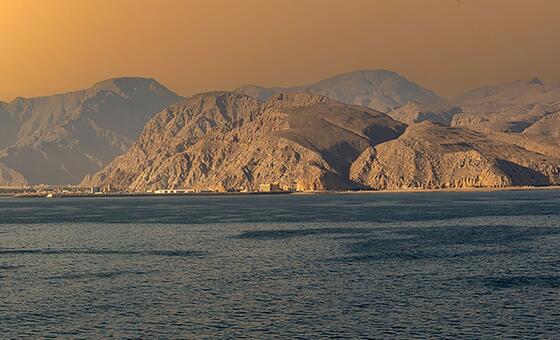
The UN Special Envoy for Yemen also expressed alarm over the resumed Houthi attacks. Hans Grundberg has held extensive engagements over the past weeks with Yemeni, regional and international stakeholders. Concern for stranded seafarers The UN has been pushing for peace since the current conflict in the Middle East first erupted in late February following joint US-Israeli bombing of Iran and retaliatory strikes by Tehran across the Gulf region. A ceasefire announced in April, which was extended, collapsed this month, including over violations surrounding the Strait of Hormuz, the narrow waterway responsible for roughly a quarter of global sea trade particularly oil and gas supplies. The UN High Commissioner for Human Rights, Volker Türk, on Friday called for urgent action on behalf of thousands of seafarers who remain stranded in the strait. At least 6,000 crew members on some 400 vessels are still there, having been unable to evacuate during the ceasefire, according to information from the International Maritime Organization (IMO). “This number is not exhaustive as many others are unaccounted for, believed to be stuck in the Persian Gulf on a range of smaller vessels or have otherwise not been located,” said Shabia Mantoo, Spokesperson for the High Commissioner.
 The BriefWire