UNESCO adds Lebanese, West Bank sites to endangered list
Israel has rejected the listing of a Lebanese castle and an occupied West Bank archaeological site. UNESCO added both sites to its World Heritage in
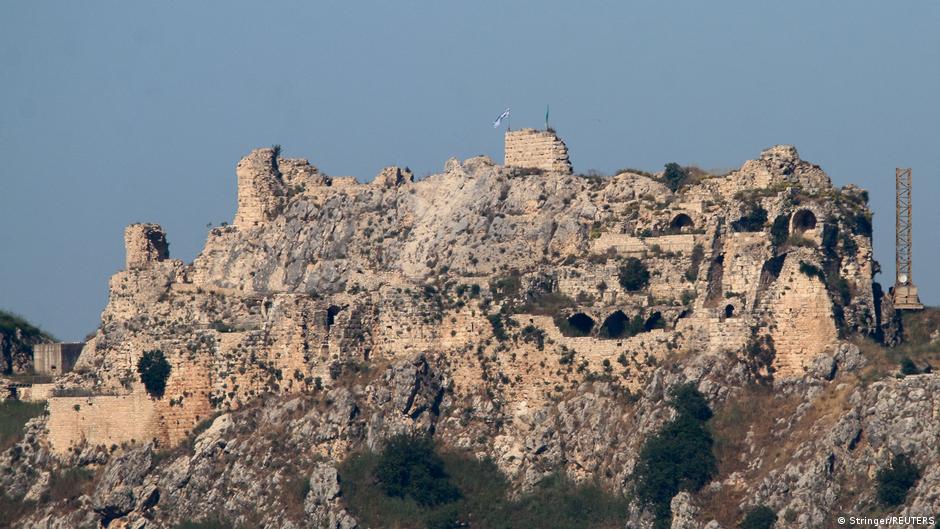
Israel has rejected the listing of a Lebanese castle and an occupied West Bank archaeological site. UNESCO added both sites to its World Heritage in Danger list in the context of Israeli activity. The United Nations cultural agency on Friday updated its list of World Heritage in Danger, with locations including a Lebanese castle that Israeli forces recently captured as well as an archaeological site in the occupied West Bank, amid Israeli objections. The decision was made during a UN Educational, Scientific and Cultural Organization (UNESCO) meeting in South Korea's Busan. Members agreed that five castles in Lebanon's Mount Amel, including Beaufort Castle, and the West Bank's Sebastia would both go on the agency's World Heritage List and List of World Heritage in Danger. The decision came after reviewing the nominations on an emergency basis, citing ongoing conflicts in the Middle East. Israel's Foreign Ministry had urged the committee to reject the designation efforts, calling the nominations a "weaponization of cultural heritage." Israeli forces occupied Lebanon's Beaufort Castle in May Image: Stringer/REUTERS What do we know about the UNESCO-designated sites? Beaufort Castle is a Crusader fortress also known as Qalaat al-Shakif. Israeli forces captured the fortress in May amid their military operations in southern Lebanon as part of the fight against Iran-backed Hezbollah militants. The mountainous area where Beaufort and the other five Jabal Amel listed castles are located has come under repeated Israeli bombardment during the war.
UNESCO said the fortresses had sustained damage and faced ongoing threats from the conflict "serious enough to justify resorting to an emergency procedure." Lebanese Culture Minister Ghassan Salame told the French AFP news agency that only two of the castles were "within the Lebanese government's reach" and accused Israel of having already destroyed Shamaa Castle and of threatening to demolish Beaufort. Salame described the UNESCO listing as a "remarkable achievement in the effort to protect these important Lebanese historical landmarks." Israel seizes strategic castle in Lebanon in deep incursion To view this video please enable JavaScript, and consider upgrading to a web browser that supports HTML5 video Meanwhile, Sebastia, the other site added on Friday, lies near the West Bank city of Nablus. It is thought to be the ancient Israeli and later Roman city of Samaria, with archaeological remains spanning the Iron Age, Roman, Byzantine and Islamic periods. Israel still uses the name Samaria to refer to the northern West Bank. Israeli authorities have developed an interest in the site in recent years, in 2025 taking control of around 200 hectares of Palestinian land nearby for what it calls preservation and development purposes. The site is important to the Palestinian tourism industry and threatened by the recent Israeli actions, including an Israelis-only road, a fence and entry fees.
 The BriefWire