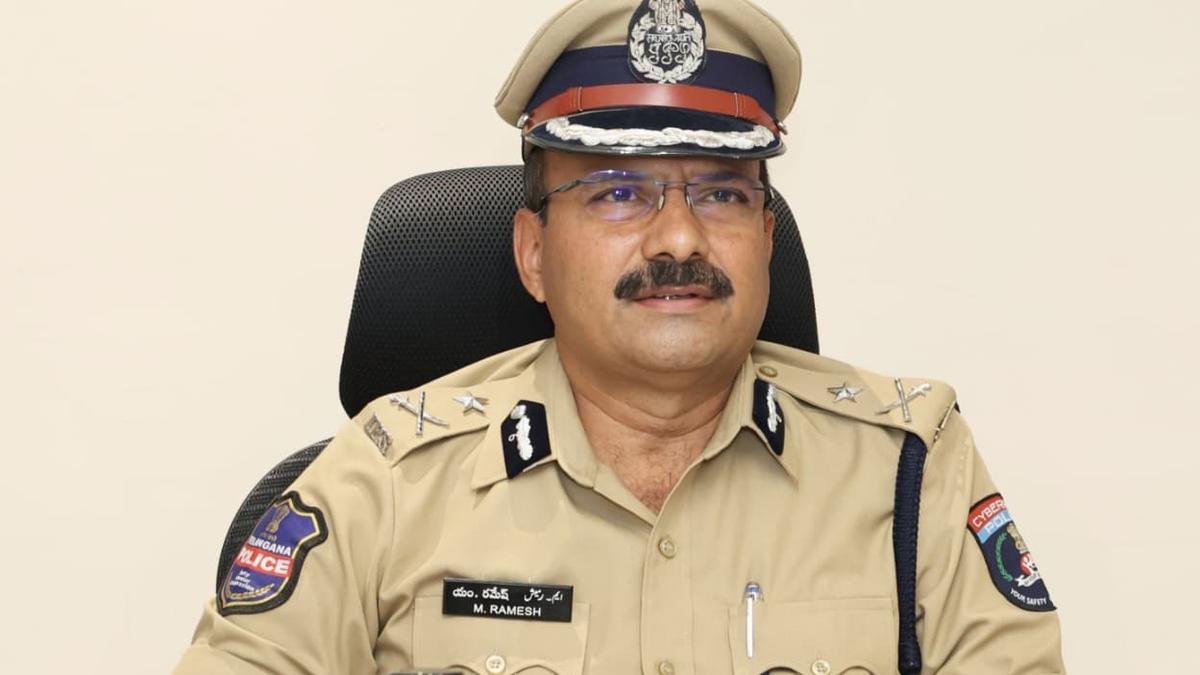
Traffic management is currently the top focus of Cyberabad police: CP
How is policing in Cyberabad different from conventional urban policing, and what are your top priorities? Cyberabad is a unique commissionerate because it was created
How is policing in Cyberabad different from conventional urban policing, and what are your top priorities? Cyberabad is a unique commissionerate because it was created through a dedicated legislation, the Cyberabad Metropolitan Police Act, passed in 2003. From the beginning, the leadership understood the kind of future this region was heading towards. Cyberabad tried to position police as an enabler rather than merely an enforcer. That philosophy became part of the culture here. Over the years, as the region transformed from hillocks and sparse settlements into an IT, financial and GCC hub, the police force also evolved alongside it. Cyberabad today is like a mini-India. People from all parts of the country live and work here. Naturally, policing here is very different from conventional urban policing. As far as priorities are concerned, traffic management is currently the top focus because mobility affects everybody. Crime prevention, road safety, and control of narcotics are other important areas. I also believe policing will increasingly involve dealing with mental health-related issues. We are already seeing that trend. What are the biggest challenges and constraints Cyberabad police currently facing? Every day we receive suggestions, complaints and feedback on signals, u-turns, junctions, and road planning.
Though people live in large gated communities and modern townships, many RWAs face constant disputes and friction. People use the term “community” loosely, but often there is very little sense of collective coexistence. These social tensions eventually reach the police. Within the police force, we are also dealing with generational shifts. We have senior officers nearing retirement, middle-aged personnel, and a younger Gen Z workforce entering the department. Every generation has a different mindset. Younger personnel are more expressive, more liberal in outlook, and less comfortable with conventional structures. Managing those cultural differences is a challenge every organisation faces. What long-term interventions is the department planning beyond regular enforcement to improve traffic management? The future of traffic management cannot rely only on widening roads or increasing enforcement. We are trying to build a model where citizens themselves become partners in reducing traffic volume. Our focus is on voluntary behavioural change. If people who do not urgently need to travel can stagger their movements or avoid unnecessary trips during peak hours, it can significantly ease congestion. One major area we studied extensively is school transportation, and to address the congestion caused by that, we are working on an broader transport model in partnership with RTC to improve route-specific public transportation.
 The BriefWire