Ban on toxic weed killer puts agrochemical lobby under lens. Bigger crackdown next?
The Union Agriculture Ministry's decision to move towards a nationwide ban on herbicide Paraquat Dichloride has brought renewed focus on the alleged nexus between sections
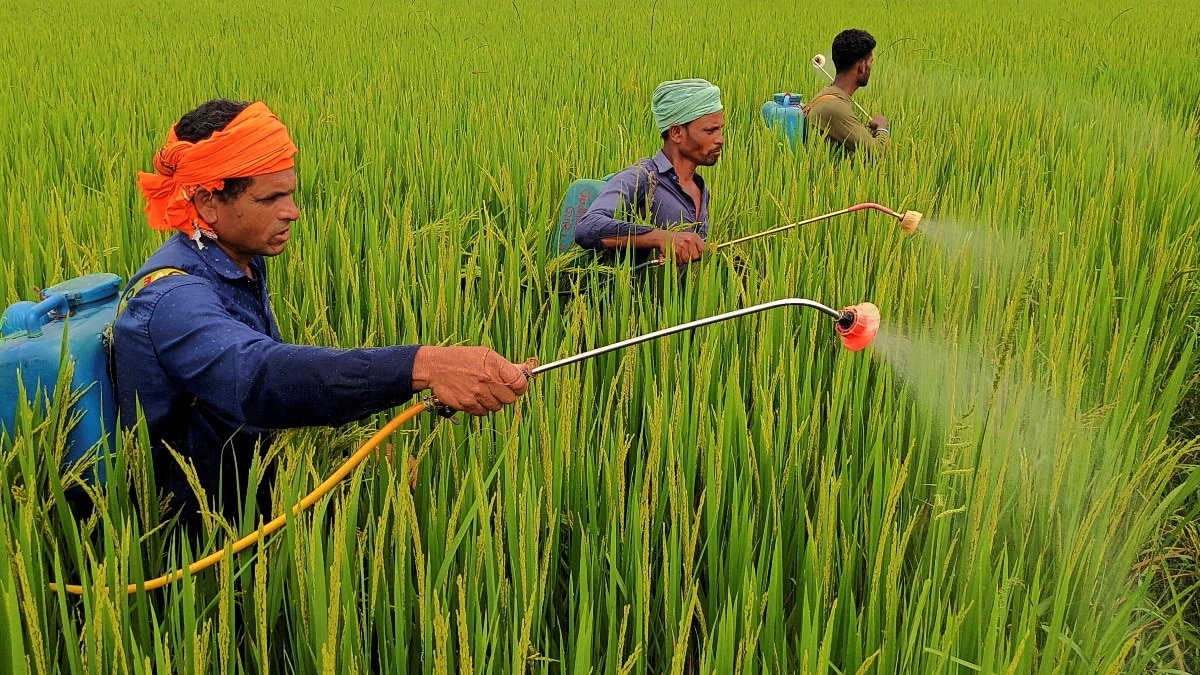
The Union Agriculture Ministry's decision to move towards a nationwide ban on herbicide Paraquat Dichloride has brought renewed focus on the alleged nexus between sections of the agrochemical industry and influential voices within the scientific and regulatory establishment. With the Centre citing public health and environmental protection as key priorities, the draft notification banning one of the country's most toxic herbicides is being viewed as a major step towards reducing dependence on hazardous farm chemicals. Read Full Story The development has also intensified demands for similar action against glyphosate, while raising questions over whether vested interests have repeatedly delayed stricter regulation of controversial herbicides despite growing health and environmental concerns. HISTORIC MOVE AGAINST PARAQUAT The Agriculture Ministry has issued a draft notification proposing a complete ban on the manufacture, import, sale and use of Paraquat Dichloride across India. The proposal marks one of the strongest regulatory actions taken against a widely used herbicide and has been welcomed by environmental groups and several agricultural experts, who argue that profitable farming cannot come at the cost of human health or ecological damage.
Union Agriculture Minister Shivraj Singh Chouhan has indicated that the government will prioritise the health of citizens and environmental safety over the continued use of chemicals considered hazardous. According to the ministry's position, the move aligns with Prime Minister Narendra Modi's broader vision of promoting chemical-free and sustainable farming practices. The draft notification will remain open for public comments before a final decision is notified. GLYPHOSATE NOW UNDER SPOTLIGHT Following the proposed ban on paraquat, attention has shifted to glyphosate, another widely debated herbicide whose safety has remained a contentious issue globally. Environmental activists and agricultural experts argue that India should reconsider its continued use, particularly when several countries have either prohibited or heavily restricted the chemical. The debate stems largely from the International Agency for Research on Cancer (IARC), a specialised cancer research agency under the World Health Organization, which in 2015 classified glyphosate as "probably carcinogenic to humans" (Group 2A). The assessment cited limited evidence from human exposure studies, sufficient evidence from experimental animal studies, and strong evidence of genotoxicity in both pure glyphosate and commercial formulations.
 The BriefWire