Can Pakistan-administered Kashmir elections calm tensions?
Pakistan-administered Kashmir heads to the polls after weeks of deadly protests over seats reserved for displaced people from India-administered Kashmir. One local group has called
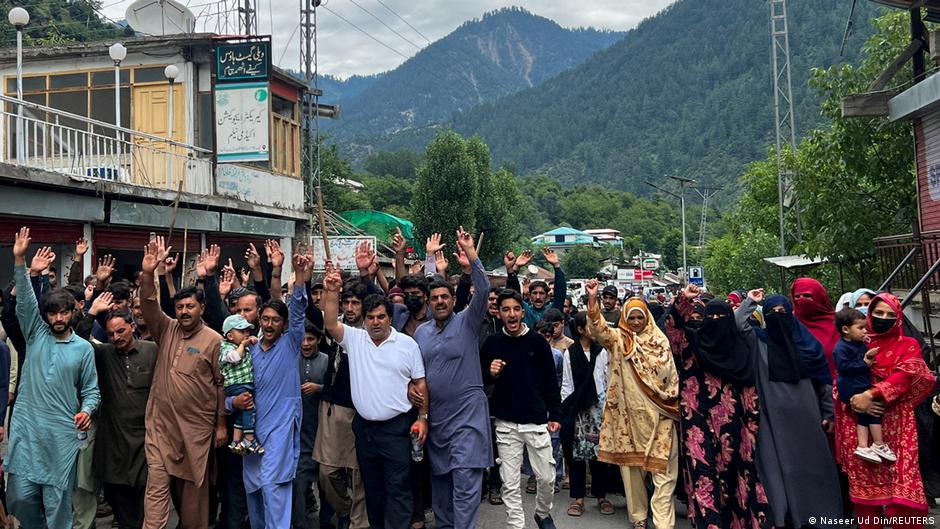
Pakistan-administered Kashmir heads to the polls after weeks of deadly protests over seats reserved for displaced people from India-administered Kashmir. One local group has called for the election to be boycotted. The first phase of local elections in Pakistan-administered Kashmir is scheduled for Monday, July 27, amid calls for a boycott from the recently outlawed Jammu Kashmir Joint Awami Action Committee (JAAC), a grassroots alliance of civil society groups. The JAAC has been demanding the abolition of 12 seats in the regional assembly reserved for people displaced from India-administered Kashmir and living in Pakistan. It argues that only residents of Pakistan-administered Kashmir should be eligible to contest regional elections. The dispute escalated after the Supreme Court of Pakistan-administered Kashmir ruled that the refugee seats are constitutionally protected and cannot be abolished without a constitutional amendment. The regional government outlawed the JAAC in June under anti-terrorism laws, citing threats to public order, and detained dozens of its supporters. The ban came amid rising tensions over the refugee seats and ahead of violent protests sparked by the group's campaign to scrap them. The unrest has left around 30 people dead since June, according to local estimates cited by Reuters news agency. India and Pakistan both claim Kashmir in its entirety, but each country only controls a section of the territory, making the Muslim-majority region a longstanding flashpoint between the nuclear-armed neighbors since their independence from Britain in 1947. Protests cast shadow over vote Since early June, Pakistan-administered Kashmir — known locally as Azad Jammu and Kashmir (AJK) — has witnessed weeks of protests and sit-ins.
While the dispute over the refugee seats has become a major flashpoint, JAAC has also campaigned for broader economic and governance reforms. Following the unrest, authorities split polling into three phases, with voting in Mirpur set for July 27 and elections in the protest-hit Poonch division postponed until August 10. Voting in the regional capital Muzaffarabad has been delayed until August 2 over security concerns. The JAAC continues to stage a sit-in in Rawalakot, near the Line of Control with India. Demand for fair representation As the region heads to the polls, a major question is whether the elections can restore public confidence or merely offer a temporary pause in public anger. "We are just asking for fair representation, which is our right," Ali Raza, a 22-year-old student protester in Rawalakot told DW. "The local people who live here should have the right to choose their representatives, not the refugees who settled here from India." "The election is a major opportunity for the people of AJK to choose their representatives," said Shazia Marri, the central information secretary of the Pakistan People's Party (PPP), which currently rules the region. "The people want their rights protected, their issues addressed, and a government that delivers on its promises." However, JAAC leaders argue that elections alone cannot resolve the issues that brought thousands of people onto the streets. "Our movement is not replacing one government with another over time; we need our rights, but there are just political slogans in the campaigns," one JAAC official told DW under condition of anonymity.
 The BriefWire