No nationwide anti-rabies vaccine shortage, Centre tells Lok Sabha
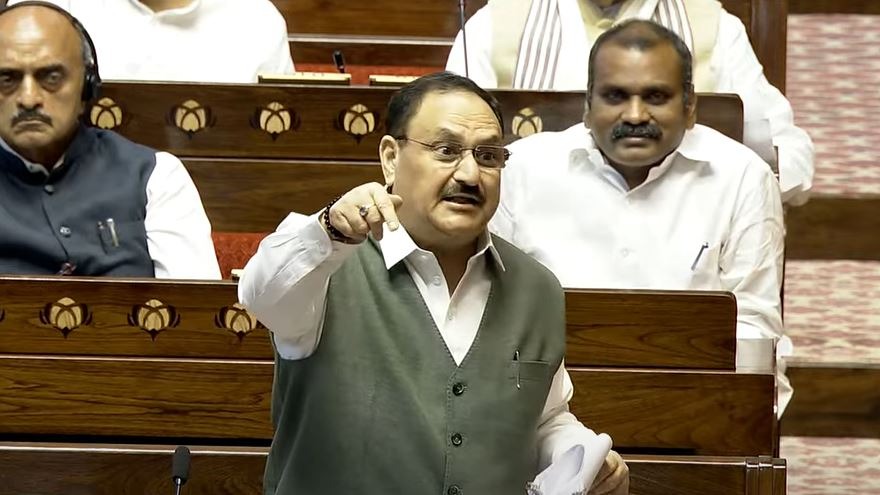
Health Minister JP Nadda told the Lok Sabha that the Centre has not received any reports of a nationwide shortage of anti-rabies vaccine. He said
Health Minister JP Nadda told the Lok Sabha that the Centre has not received any reports of a nationwide shortage of anti-rabies vaccine. He said temporary shortages may occur at some health facilities because of higher demand, procurement delays or supply chain issues, and that such situations are handled by the concerned state and Union Territory governments. Nadda said health is a state subject and the primary responsibility for procuring, distributing and ensuring the uninterrupted availability of anti-rabies vaccine (ARV) and rabies immunoglobulin (RIG) in public health facilities lies with the states and UTs. "The Government of India has not received reports indicating any nationwide shortage of Anti-Rabies Vaccine," he said. Read Full Story He said the Centre regularly reviews the implementation of the Rabies Control Programme (NRCP) through periodic meetings with states and UTs. Advisories are also issued from time to time, asking them to maintain an uninterrupted supply of ARV and RIG through funds allocated under the Free Drug Initiative.
Under the Health Mission, the Centre provides technical and financial support to states to strengthen healthcare systems on the basis of proposals submitted in their Programme Implementation Plans, subject to norms and the availability of resources. Nadda said that under the NRCP, funds have been allocated through the NHM to states and UTs under the Free Drug Initiative for the procurement of ARV and RIG, while procurement itself is decentralised. He said support under the programme includes procurement of ARV and RIG, setting up and strengthening anti-rabies clinics and wound-washing facilities, strengthening rabies diagnostic laboratories, training medical officers and healthcare workers in rabies case management, improving surveillance and reporting of human rabies, carrying out information, education and communication and behaviour change communication activities, and monitoring and reviewing the programme. He said the Action Plan for Dog-Mediated Rabies Elimination by 2030 was developed under the NRCP and jointly launched by the Ministry of Health and Family Welfare and the Department of Animal Husbandry and Dairying.
Replying to another question, Nadda said data on the number of people who have received anti-rabies vaccine is not maintained centrally. He added that states and UTs have been advised to notify rabies as a notifiable disease and report rabies cases and deaths on the Integrated Disease Surveillance Programme-Integrated Health Information Platform, but state-wise data on human rabies deaths is also not maintained centrally. The minister said central measures under the NRCP include the launch of NAPRE-2030, financial support to states and UTs for procurement of ARV and anti-rabies serum, establishment of model anti-rabies clinics and wound-washing facilities, and steps to strengthen surveillance, monitoring, IEC activities and capacity building. He said 14 rabies diagnostic laboratories have been strengthened, advisories have been issued to states and UTs on notifying rabies as a notifiable disease and ensuring uninterrupted supplies of ARV and anti-rabies serum, a Joint Steering Committee for Rabies Elimination has been set up, and national guidelines, standard operating procedures and training modules have been developed.
 The BriefWire