SC Says It Will 'Closely Monitor' Steps Taken To Curb NEET Paper Leaks, Flags 'Ad Hoc' Security Measures
SC Says It Will 'Closely Monitor' Steps Taken To Curb NEET Paper Leaks, Flags 'Ad Hoc' Security Measures Published By, Last Updated: July 24, 2026
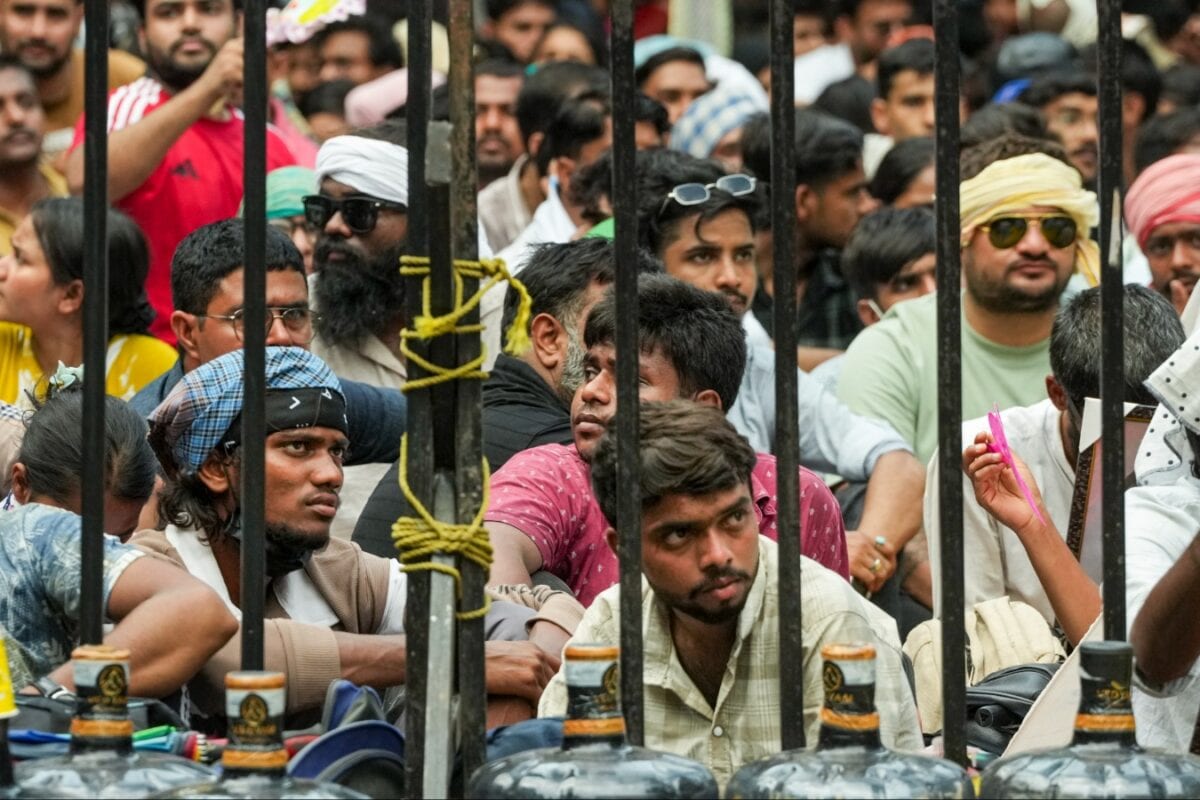
SC Says It Will 'Closely Monitor' Steps Taken To Curb NEET Paper Leaks, Flags 'Ad Hoc' Security Measures Published By, Last Updated: July 24, 2026, 13:02 IST The Supreme Court said it will closely monitor the Centre's reforms to prevent NEET paper leaks, criticised temporary security measures as 'ad hoc', and sought a detailed roadmap. The Supreme Court has said it will closely monitor the Centre's efforts to reform the NTA and prevent future NEET paper leaks, while questioning temporary security measures adopted for conducting the examination. (Photo: PTI) The Supreme Court on Friday said it would “very closely monitor" the Centre’s efforts to overhaul the Testing Agency (NTA) and prevent future paper leaks in the NEET examination, while cautioning against relying on temporary or ad hoc measures to secure one of India’s biggest entrance tests. Hearing a batch of petitions filed by the United Doctors Front and the FAIMA Doctors Association over structural issues in the functioning of the NTA, a Bench of Justices PS Narasimha and Alok Aradhe emphasised that the focus must be on creating a permanent institutional framework rather than responding to crises with short-term solutions. The hearing comes against the backdrop of the NEET paper leak controversy, which triggered nationwide outrage after allegations of question paper leaks and irregularities raised concerns over the credibility of the country’s largest medical entrance examination. The controversy prompted the Centre to appoint the Radhakrishnan Committee to recommend structural reforms in the NTA and examination process.
Solicitor General Tushar Mehta, appearing for the Centre, informed the court that the government had made progress on the proposed reforms and sought additional time to present a comprehensive plan. “There is some progress. I request a few more days so that we can present a holistic view," Mehta submitted. Justice Narasimha, however, made it clear that the court expected lasting institutional reforms instead of temporary fixes. ‘AD HOCISM HAS TROUBLED US FOR YEARS’ Referring to extraordinary security arrangements adopted in previous examinations, Justice Narasimha observed that such measures could not become the long-term solution. During the hearing, Mehta said the Centre would explain the entire process, from the printing of question papers to their transportation and eventual delivery to candidates. “We will explain right from the printing press till the time the student gets the paper. For children, there cannot be any adversarial response," the Solicitor General said. The Bench noted that the government had even deployed the Air Force to transport question papers in the past to prevent leaks. “You deployed the Air Force, but that is ad hoc," Justice Narasimha remarked, adding, “Ad hocism has troubled us for years." The court said the objective now was to institutionalise safeguards so that such extraordinary arrangements would no longer be necessary. COURT SEEKS COMPREHENSIVE REFORM ROADMAP The Bench directed the Centre to file a detailed affidavit covering all aspects of examination reforms, including the structure of the proposed governing board, transparency mechanisms, stakeholder participation and the appointment of experts across various operational verticals.
 The BriefWire