RAF Manual Explained: Negotiations First, Pellet Guns Second-Last Resort During Riot Control
RAF Manual Explained: Negotiations First, Pellet Guns Second-Last Resort During Riot Control Reported By, Edited By Last Updated: July 24, 2026, 12:39 IST The manual
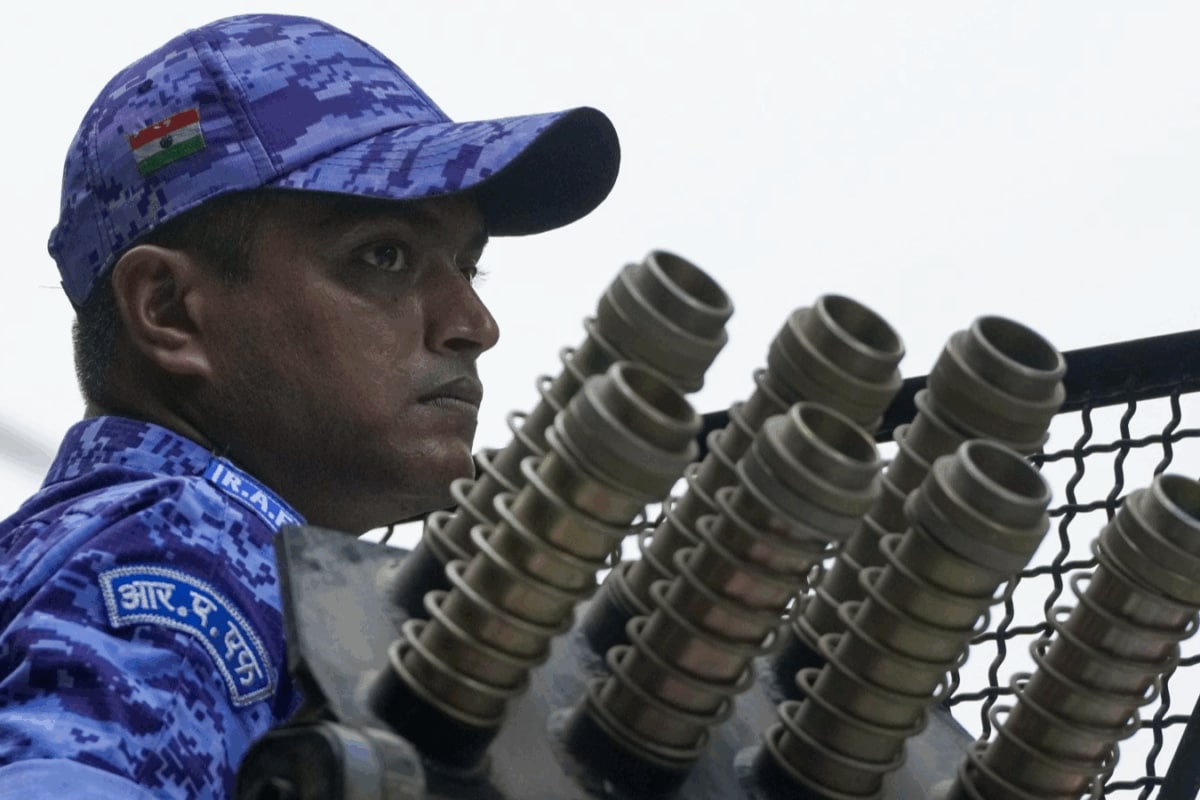
RAF Manual Explained: Negotiations First, Pellet Guns Second-Last Resort During Riot Control Reported By, Edited By Last Updated: July 24, 2026, 12:39 IST The manual lays down a step-by-step sequence, beginning with dialogue and ending, only in exceptional circumstances, with the use of live ammunition Rapid Read According to the RAF Manual, the first responsibility of a contingent commander is to prevent an agitated crowd from becoming a violent mob. (Image: PTI) The Rapid Action Force (RAF), the specialised anti-riot wing of the Central Reserve Police Force (CRPF), follows a doctrine of graduated escalation while dealing with riots and violent public disorder. The RAF Manual makes it clear that the force’s primary objective is not to suppress crowds through coercion but to prevent violence through restraint, persuasion and the minimum force necessary. It describes a pre-riot situation as one where violence may erupt “at any moment" and directs personnel to respond with “great restraint, calm and discretion." The manual lays down a step-by-step sequence, beginning with dialogue and ending, only in exceptional circumstances, with the use of live ammunition. It also prescribes what commanders should do after a riot is brought under control, including relief, rehabilitation and measures to prevent fresh violence. Using pellet guns comes as the second last option for RAF, just before the firing of live bullets, and involves a lot of documentation, inquiry and investigations. Prevention Before Force According to the RAF Manual, the first responsibility of a contingent commander is to prevent an agitated crowd from becoming a violent mob. It specifically directs commanders to dissuade protesters through negotiation, persuasion and appeal and states that force should be employed only if these measures fail. Even then, only the minimum force necessary should be used. When deployed, the minimum anti-riot contingent is normally a platoon. A set number of teams undertake riot-control duties while one remains in reserve along with fire-fighting, rescue, first-aid, relief and Mahila personnel. The contingent is instructed to stop at a safe distance from the crowd, quickly form up in an appropriate formation and advance in a disciplined manner, maintaining a minimum distance from the gathering.
The manual says the professional appearance and movements of the RAF should themselves exert a psychological effect on the crowd. Negotiation, Persuasion And Warning Once deployed, the contingent commander is expected to address the crowd’s leaders through a portable public address system and encourage dialogue. The manual recommends involving local police officers, magistrates and respected community leaders in persuading the crowd to disperse voluntarily. It advises commanders to remain polite but firm, cautioning against both appearing weak and adopting an unnecessarily authoritarian tone. If negotiations fail, the assembly is to be declared unlawful and a formal warning issued directing people to disperse. The warning must be delivered clearly over the public address system and may also be displayed on banners in the local language. Commanders are instructed to allow sufficient time for the warning to register and, if necessary, repeat it several times before escalating further. The Graded Use Of Force The RAF Manual provides a graduated scale of force, leaving the choice to the contingent commander depending on the situation while emphasising “utmost restraint." Water Cannons The first coercive measure is the use of water cannons. The manual envisages the use of both plain and coloured water. Coloured water serves a dual purpose: it helps push the crowd back while also assisting in identifying a few afterwards. The manual states that the water jet can knock a person down within 25 to 30 metres. Tear Gas If water cannons do not achieve dispersal, commanders may deploy tear smoke munitions. The manual notes that different types of tear smoke are available and the commander should choose the type based on operational requirements and the intended effect. It also cautions against excessive use because of certain reasons. Shock Batons And Lathis If tear gas also fails, riot-control teams are instructed to advance in wedge or extended-line formation using shock batons and lathis. The manual says each team is authorised two shock batons. According to the document, these batons deliver a localised electric shock without causing burns or a through-body current and are designed primarily to repel rather than seriously injure.
 The BriefWire