Florida firefighters spotted something moving inside a storm drain during a routine call. It was 14 baby sea turtles, and they rescued every one before returning them to the ocean
How Florida firefighters rescued 14 baby sea turtles from a storm drain Why baby sea turtles end up in storm drains Why every rescued hatchling
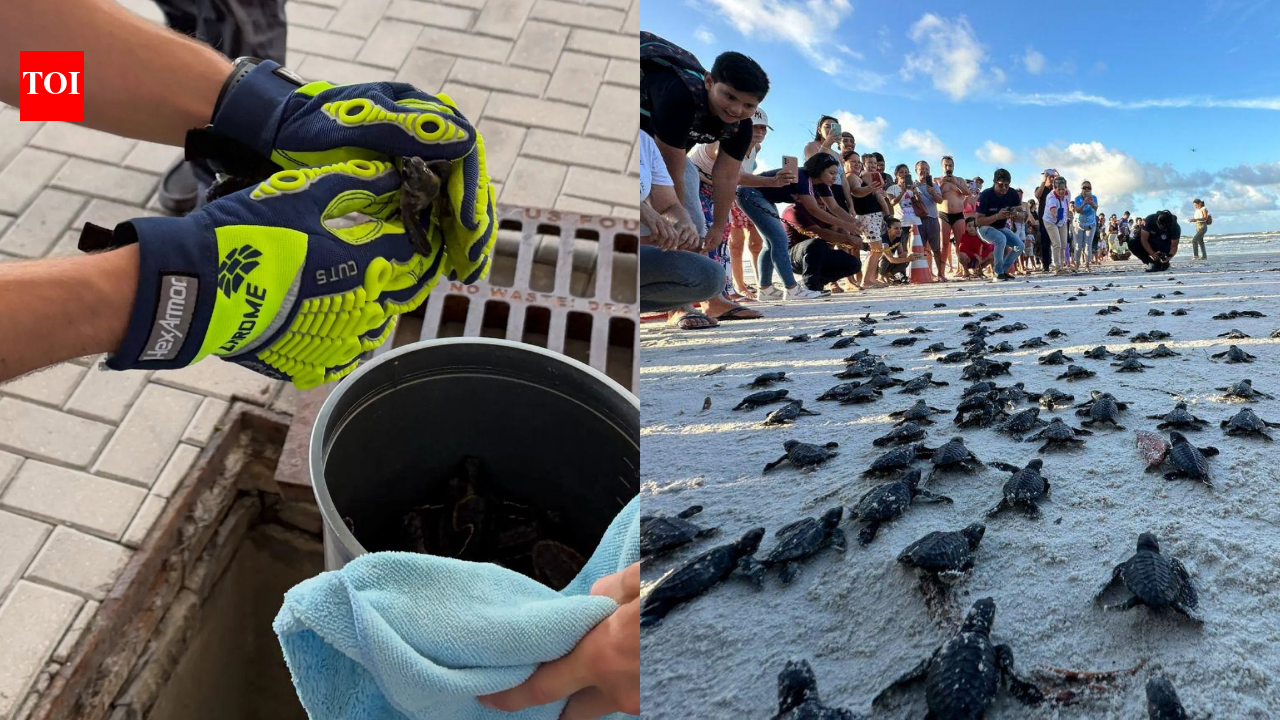
How Florida firefighters rescued 14 baby sea turtles from a storm drain Why baby sea turtles end up in storm drains Why every rescued hatchling matters Florida's sea turtle nesting season The role of Turtle Time in protecting sea turtles Firefighters often rescue wildlife too A small rescue with a big conservation message What began as a routine response for firefighters in southwest Florida quickly turned into an extraordinary wildlife rescue after tiny movements were spotted beneath a storm drain cover near the beach. Instead of debris or a stranded animal, crews found 14 sea turtle hatchlings trapped inside two storm drains during what should have been their first journey to the ocean. Working alongside volunteers from Turtle Time Inc., firefighters carefully retrieved each hatchling before releasing them safely into the Gulf of Mexico. The successful rescue has captured attention online while shining a spotlight on the growing challenges sea turtles face as coastal development increasingly overlaps with their natural nesting habitats.The rescue took place near the Mediterra Beach Club on Bonita Beach, where firefighters from the Bonita Springs Fire District responded after hatchlings were spotted inside two storm drains.
Working alongside volunteers from Turtle Time Inc., a Florida state-permitted sea turtle conservation organisation, crews carefully removed each tiny turtle by hand and placed them in a bucket for transport.Photographs released after the rescue showed gloved firefighters gently lifting the hatchlings from the drains before carrying them to the shoreline.All 14 baby sea turtles were successfully released into the Gulf of Mexico, allowing them to continue the journey they had been unable to complete on their own.Sea turtle hatchlings usually emerge from their nests at night and instinctively crawl towards the brightest horizon, which under natural conditions is the reflection of moonlight over the ocean. Along developed coastlines, however, artificial lighting from buildings, roads, hotels and parking areas can confuse them.Instead of heading towards the sea, hatchlings may crawl inland and become trapped in storm drains, roadside gutters or other man-made structures. Wildlife experts refer to this as hatchling disorientation, and it remains one of the biggest human-related threats to young sea turtles during nesting season.Sea turtles lay dozens, and sometimes more than a hundred, eggs in a single nest.
 The BriefWire