Whales Sleep Vertically: new tags reveal sperm whale bubble rests; study probes gas exchange
Why do sperm whale release gas bubbles while sleeping vertically What does the research say What is this unique sleeping position and its benefits? The
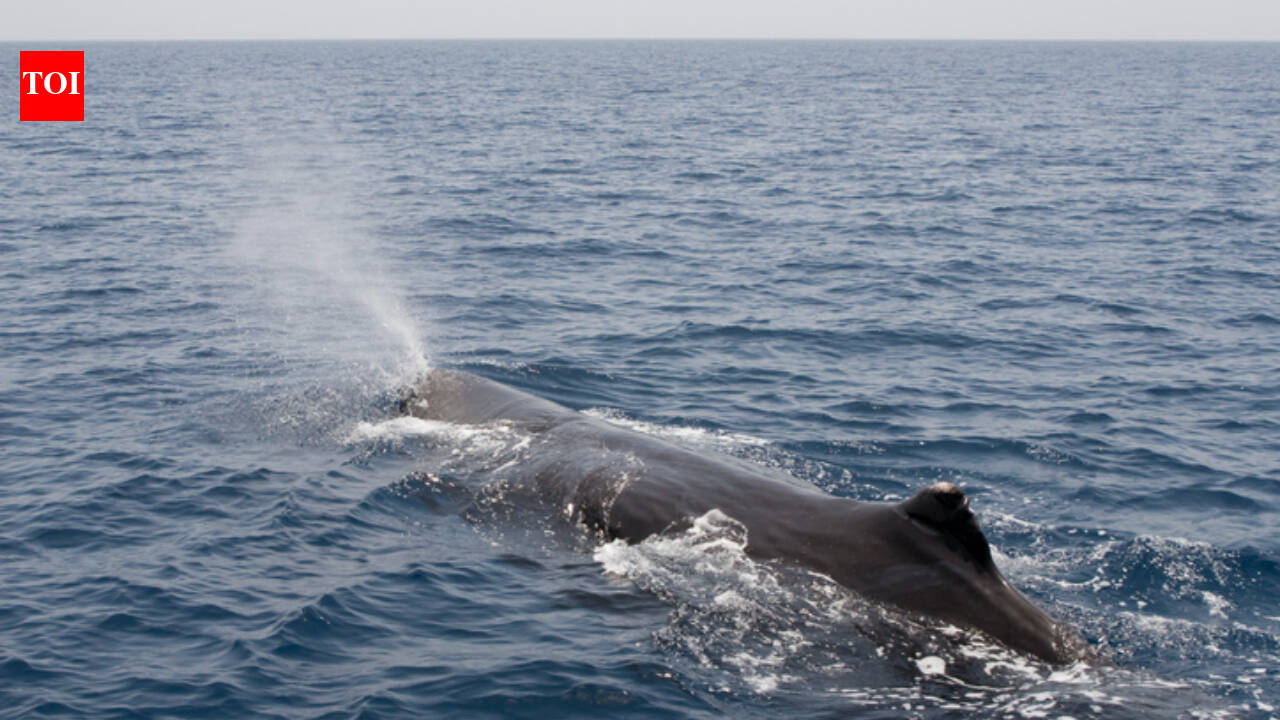
Why do sperm whale release gas bubbles while sleeping vertically What does the research say What is this unique sleeping position and its benefits? The difficulty of staying suspended How did the scientists figure this out Understanding the sleeping mechanism of sperm whale How do they manage this control Possible link with gas exchange When it comes to marine life, there are facts beyond human imagination. In the most recent findings, scientists discovered a lesser-known fact about sperm whales and their resting mechanism. According to them, sperm whales have a fantastic way of resting far beneath the ocean waves. Researchers from the University of St Andrews and Université de Neuchâtel provided a rare insight into the secretive lives of one of the ocean’s largest and most intelligent marine animals. Scroll down to read the details.The research found that unlike most marine mammals, sperm whales sleep in a strange upright position, bobbing almost motionless just below the sea surface. The experts revealed the interesting mechanism they use to maintain this strange sleeping posture: they release a gas bubble to regulate their buoyancy, allowing them to stay suspended in the water.You will be surprised to know that sperm whales are the only known species of whale that routinely sleeps in a vertical position.
They spend these periods of rest hanging vertically in the water column, often with their heads pointing to the surface and their bodies trailing down.According to researchers, this sleeping position has several benefits. Whales stay near the surface so that they can breathe easily when they wake up, and the vertical position may protect them from the motion of ocean waves. It may also help them avoid the energy drain of drifting into deeper waters.Scientists found that sperm whales have a strange buoyancy problem and their big heads contain a special organ filled with a waxy substance called spermaceti oil that helps them to be naturally buoyant. They are naturally positively buoyant, which means they tend to rise towards the surface. They are also deep-diving animals that hold their breath. So, when they dive and hold their breath, gases in their lungs change as pressure increases and decreases. When they rest near the surface, the gas in their lungs slowly expands, increasing their chances of coming up. Sperm whales deal with this by releasing small amounts of gas, in the form of bubbles, which helps them control their buoyancy and float almost weightlessly.For this analysis, researchers put small suction-cup tags on sperm whales off the coast of Norway to collect data.
 The BriefWire