Longer Jail Terms, Higher Penalties, Time-Bound Trials: Govt May Tighten Paper Leak Law At Cabinet Meet
Longer Jail Terms, Higher Penalties, Time-Bound Trials: Govt May Tighten Paper Leak Law At Cabinet Meet Published By, Last Updated: July 24, 2026, 11:07 IST
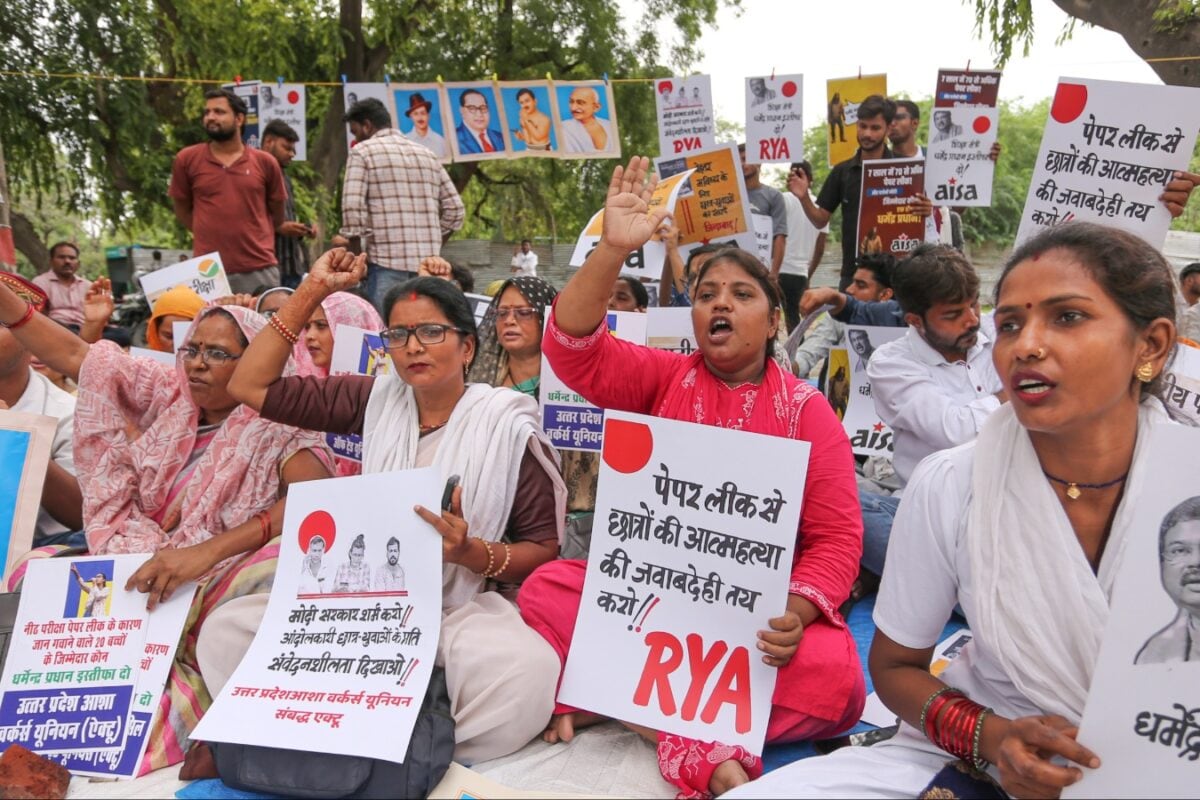
Longer Jail Terms, Higher Penalties, Time-Bound Trials: Govt May Tighten Paper Leak Law At Cabinet Meet Published By, Last Updated: July 24, 2026, 11:07 IST The Centre is likely to discuss tougher anti-paper leak measures at today's Cabinet meeting, including longer jail terms, higher penalties and time-bound trials. The Union Cabinet is expected to discuss tougher anti-paper leak measures, including special courts and time-bound trials for organised examination fraud cases involving exams such as NEET and JEE. (Photo: PTI) The Narendra Modi government is likely to consider significantly tightening anti-paper leak law at Friday’s Union Cabinet meeting, with proposals for longer jail terms, enhanced financial penalties and mandatory deadlines for completing trials in cases involving organised examination fraud. Sources said the Centre is examining amendments to the Public Examinations (Prevention of Unfair Means) Act, 2024, to make the law tougher against organised paper leak syndicates operating across states. The proposals are expected to be discussed at today’s Cabinet meeting. LIVE Updates On The Jantar Mantar Protests In Delhi Among the key changes under consideration are stricter punishments than those prescribed under the existing law. The government is also exploring fixing a timeline, possibly one year or less, for the completion of trials in paper leak cases to ensure speedy prosecution and quicker convictions.
The move comes amid heightened focus on examination integrity following the controversy over alleged irregularities in competitive examinations such as NEET and sustained demands for stronger action against organised cheating rackets. The Public Examinations (Prevention of Unfair Means) Act, 2024, enacted by the Modi government in June 2024, already criminalises paper leaks, organised cheating, impersonation and tampering with computer systems used to conduct public examinations, including NEET and JEE. Under the current law, individuals found guilty can face imprisonment ranging from three to five years and fines of up to Rs 10 lakh, while those involved in organised paper leak rackets can be punished with five to ten years’ imprisonment and a minimum fine of Rs 1 crore. Sources said the Centre now wants an even more comprehensive legal framework to dismantle organised paper leak networks with inter-state linkages and ensure that cases are disposed of within a defined time frame. The proposed changes come a day after activist Sonam Wangchuk ended his 26-day hunger strike after receiving assurances from the government on several demands related to education reforms and competitive examinations. Wangchuk ended his fast after Union Ministers JP Nadda and Jitendra Singh met him at Medanta Hospital in Gurugram and conveyed the government’s assurances.
 The BriefWire