Asim Munir Used Secret Oil Pact With Iran To Shield Saudi Arabia From IRGC Strikes: Sources
Asim Munir Used Secret Oil Pact With Iran To Shield Saudi Arabia From IRGC Strikes: Sources Reported By, Edited By Last Updated: July 24, 2026
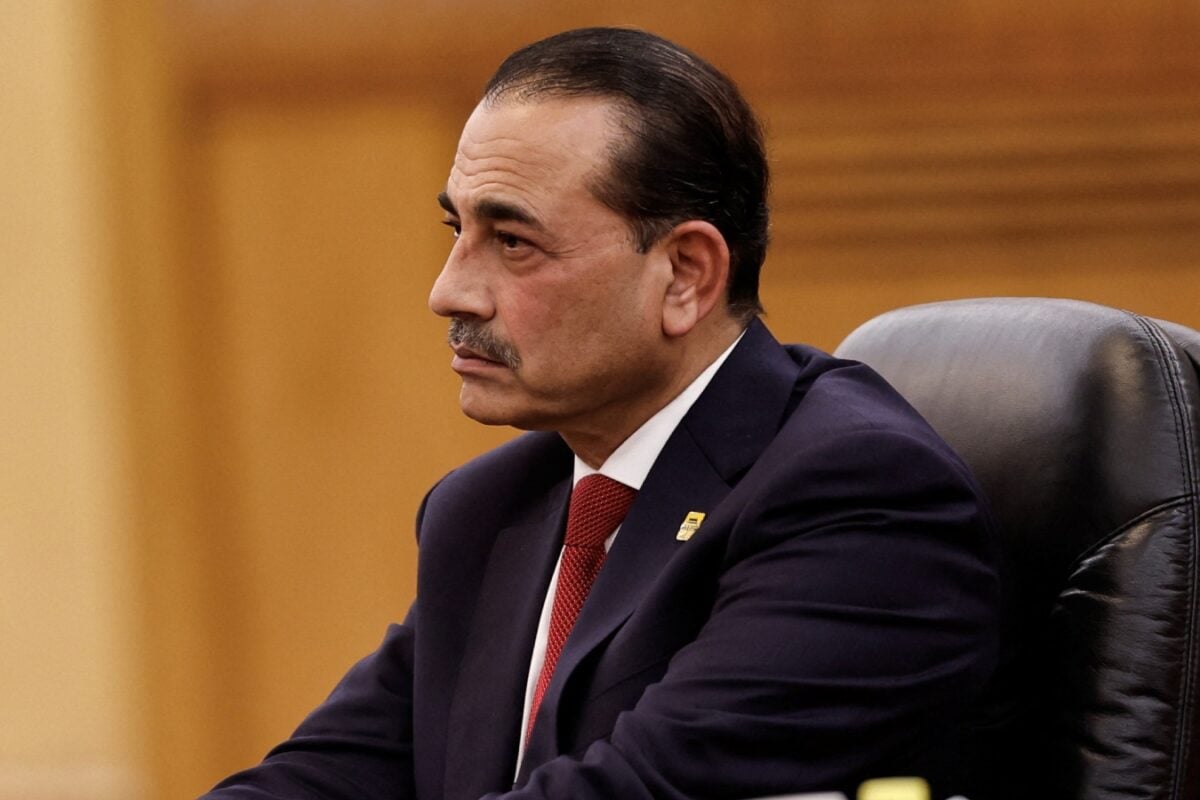
Asim Munir Used Secret Oil Pact With Iran To Shield Saudi Arabia From IRGC Strikes: Sources Reported By, Edited By Last Updated: July 24, 2026, 10:42 IST Asim Munir allegedly warned IRGC that any attack on Saudi Arabia would jeopardise the joint Pakistani-Iranian oil venture that had emerged despite US sanctions Rapid Read Pakistan Army Chief Asim Munir. (Reuters Image) Pakistan’s military leadership is alleged to have played a key behind-the-scenes role in brokering a covert understanding between Iran’s Islamic Revolutionary Guard Corps (IRGC) and Saudi Arabia during the ongoing US-Israel-Iran conflict, with the arrangement reportedly aimed at preventing Iranian missile attacks on the Kingdom. According to sources familiar with the developments, Pakistan’s Field Marshal Asim Munir personally intervened with senior IRGC leadership, including commander Ahmad Vahidi, warning that any attack on Saudi Arabia would jeopardise a lucrative joint Pakistani-Iranian oil venture that had emerged despite US sanctions and the broader regional blockade. The alleged backchannel arrangement is said to have been negotiated during the early weeks of the US-Israel war with Iran, when fears were growing that Tehran could expand the conflict by targeting Gulf nations hosting US military assets.
Saudi Arabia, one of Washington’s closest partners in the region, was viewed as particularly vulnerable to retaliatory strikes. Sources claim the understanding effectively created a three-month informal truce under which Iran refrained from attacking Saudi territory. In return, a privately run Pakistani-Iranian oil enterprise reportedly continued operations, generating what officials described as “massive dividends" for individuals linked to both sides. The alleged commercial arrangement has not been independently verified, and neither Islamabad nor Tehran has publicly acknowledged its existence. The reported understanding came under strain after an Iranian missile strike allegedly targeted Saudi Arabia, prompting Pakistan to issue a strong warning through military channels. Munir is said to have conveyed to Vahidi that any renewed attacks on the Kingdom would threaten both the oil venture and Pakistan’s broader efforts to strengthen strategic ties with Riyadh. Diplomatic sources quoted in the report described the arrangement as an example of “shadow diplomacy", with Pakistan attempting to balance its longstanding relationship with Saudi Arabia while maintaining channels with Iran.
Some diplomats reportedly criticised the understanding as effectively “legitimising ransom", arguing that economic incentives should not determine regional security. The reports also claim that following news of the alleged Saudi-Iran understanding, speculation emerged that other Gulf states, including the UAE and Qatar, had entered into similar financial arrangements to avoid Iranian attacks. However, officials from both countries reportedly denied making any such payments or deals. None of the governments involved has officially commented on the allegations. Pakistan and Saudi Arabia have maintained silence over the reported backchannel contacts, while there has been no formal response from Iran or the IRGC. As a result, many of the claims remain unverified even as they add another layer of intrigue to the complex web of Middle East diplomacy and regional power politics. News18 Newsletter Handpicked stories, in your inbox A newsletter with the best of our journalism submit Key Questions Answered How does this alleged pact impact regional stability?
 The BriefWire