CJP protest: The youth movement India's Modi didn't see coming
It began with a fear familiar to millions of young Indians: if the examinations that determine their future cannot be trusted, what can? Weeks later
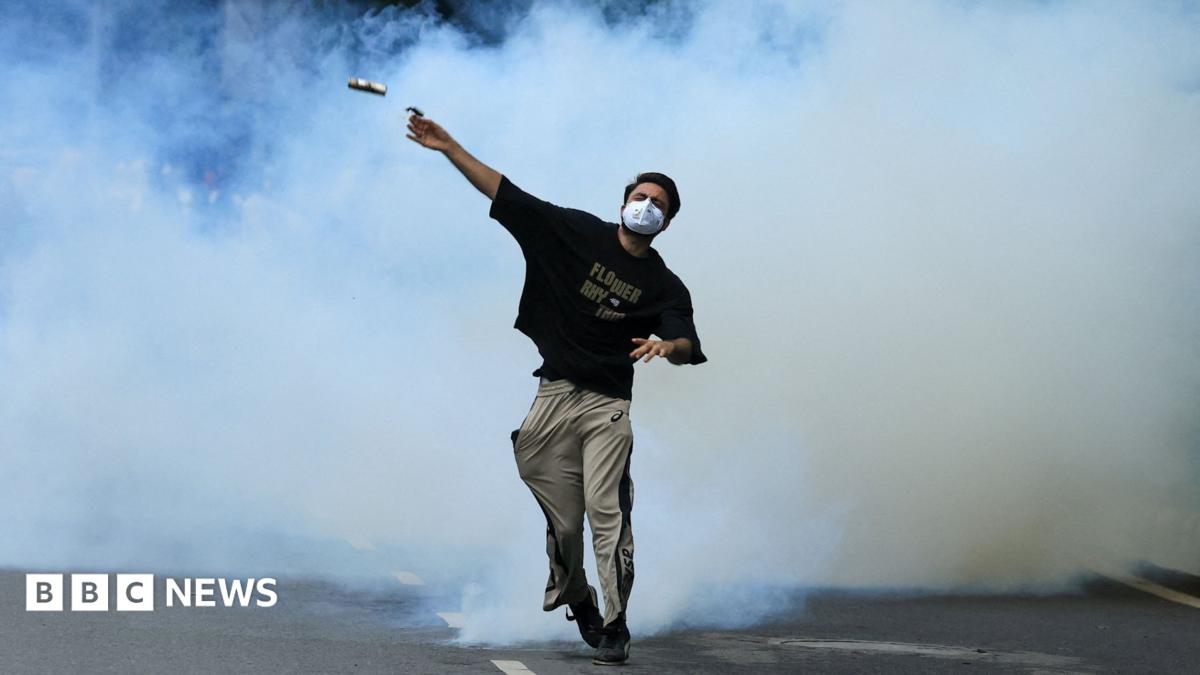
It began with a fear familiar to millions of young Indians: if the examinations that determine their future cannot be trusted, what can? Weeks later, on Monday, tens of thousands of young men and women tried to march on India's parliament. Police responded with tear gas and baton charges. Thousands more have returned to the streets in the days since.
The Cockroach Janta Party (CJP), a youth-led movement born out of anger over repeated examination paper leaks, has quickly become India's biggest student mobilisation in years. It is demanding education reforms and the resignation of Education Minister Dharmendra Pradhan. At its centre is activist Sonam Wangchuk, who says he lost 11kg (24lb) during a 26-day hunger strike in support of the movement.
He ended his fast late on Thursday, but student leaders say the protests will continue until their demands are met. The obvious question is whether this is simply another student protest - or the beginning of something larger. History offers reasons for both caution and optimism. Student movements have periodically transformed Indian politics.
The Nav Nirman agitation in Gujarat helped trigger veteran socialist leader Jayaprakash Narayan's movement against former prime minister Indira Gandhi in the 1970s. Others have erupted dramatically before fading away.
 The BriefWire