A Soldier's Last Mission: Indian Army JCO Gives Gift Of Life To 6 People After Being Declared Brain Dead
A Soldier's Last Mission: Indian Army JCO Gives Gift Of Life To 6 People After Being Declared Brain Dead Written By, Last Updated: July 24
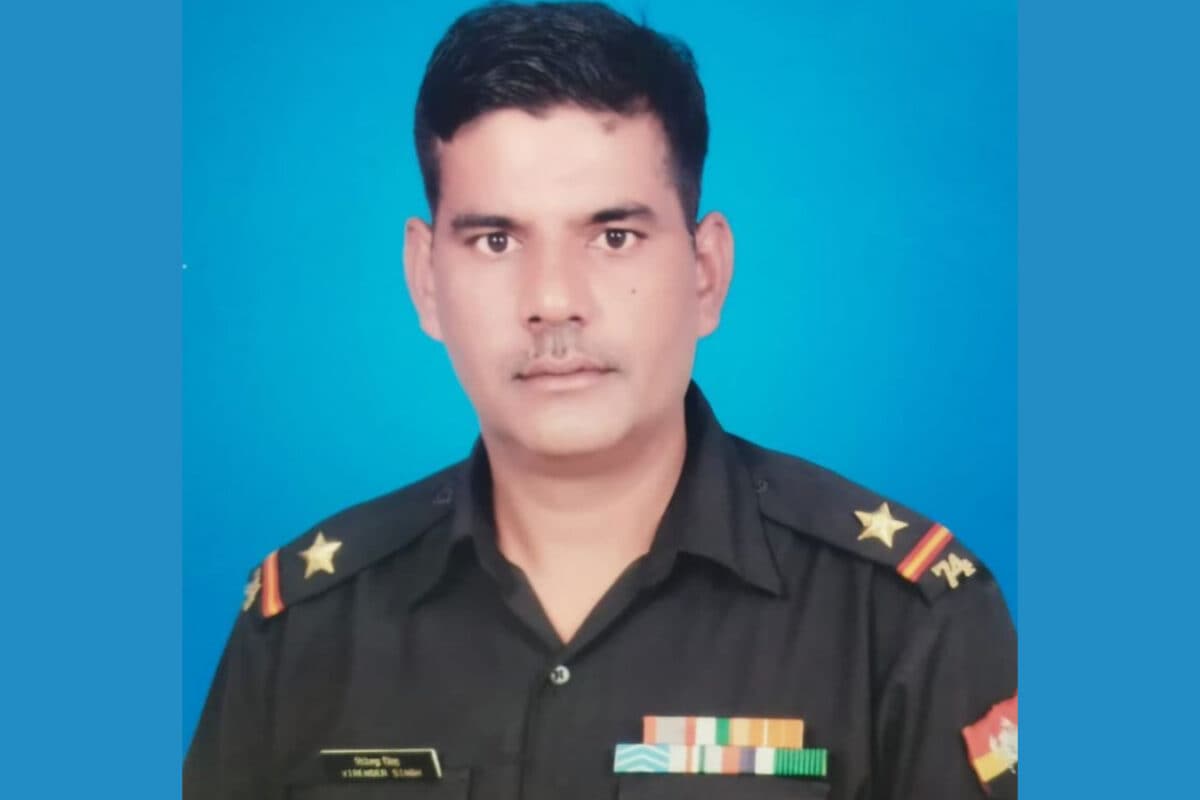
A Soldier's Last Mission: Indian Army JCO Gives Gift Of Life To 6 People After Being Declared Brain Dead Written By, Last Updated: July 24, 2026, 04:56 IST Naib Risaldar Virender Singh suffered a severe brain stroke while deployed in the harsh high-altitude conditions of Ladakh at 16,000 feet The Indian Army paid tribute to the soldier and his family, noting that Naib Risaldar Virender Singh’s final act of service embodied the highest ideals of selflessness. Image/Instagram In a poignant testament to the spirit of military service, a serving Indian Army soldier has saved or restored the lives of six individuals across the country. Naib Risaldar Virender Singh suffered a severe brain stroke while deployed in the harsh high-altitude conditions of Ladakh at 16,000 feet. Despite immediate evacuation and advanced medical intervention at the Command Hospital (Western Command) in Chandimandir, he could not be revived and was subsequently declared brain dead. Amid overwhelming personal grief, his wife, Kusum, along with his family, made the extraordinary decision to donate his organs.
The selfless gesture transformed a tragic loss into a lifeline for multiple critically ill patients waiting for organ transplants. Precision Logistics and Inter-Agency Coordination Translating the family’s noble decision into successful transplants required a race against time across multiple cities and state jurisdictions. The medical team at Command Hospital retrieved his lungs, liver, two kidneys, and both corneas. The complex distribution was managed through a seamless national organ-sharing network Lungs: Transported to KIMS in Hyderabad, marking the first-ever lung retrieval carried out by the Chandimandir facility. Liver: Flown directly to the Army Hospital (Research & Referral) in New Delhi for a waiting recipient. Kidneys: One kidney was transplanted locally at Command Hospital, while the second was allocated to Haryana via the State Organ and Tissue Transplant Organisation (SOTTO). Corneas: Preserved at Command Hospital to restore vision for two visually impaired individuals. To ensure viable transit windows, a dedicated green corridor was established with synchronisation between military police, civil administration, and local traffic authorities.
A Lasting Legacy of Humanity The Indian Army paid tribute to the soldier and his family, noting that Naib Risaldar Virender Singh’s final act of service embodied the highest ideals of selflessness. Command authorities commended his wife’s resilience, stating that her decision serves as a shining example of compassion that will inspire more citizens to pledge towards organ donation. News18 Newsletter Handpicked stories, in your inbox A newsletter with the best of our journalism submit Key Questions Answered How can more people be encouraged to donate organs? The decision of families to donate organs after a loved one is declared brain dead can inspire more citizens to pledge organ donation. Such selfless acts embody the highest ideals of selflessness and compassion. What is the process for organ donation in India? Organ donation in India involves declaring a person brain dead, after which their family can consent to donation. Organs like the heart, lungs, liver, kidneys, and corneas can be retrieved and transplanted to recipients.
 The BriefWire