Delhi HC names Justice Anu Baliga to head fast-track court for paper leak cases
The Delhi High Court has designated the court of Judge Anu Grover Baliga as a Specially Designated fast-track court to exclusively hear criminal cases arising
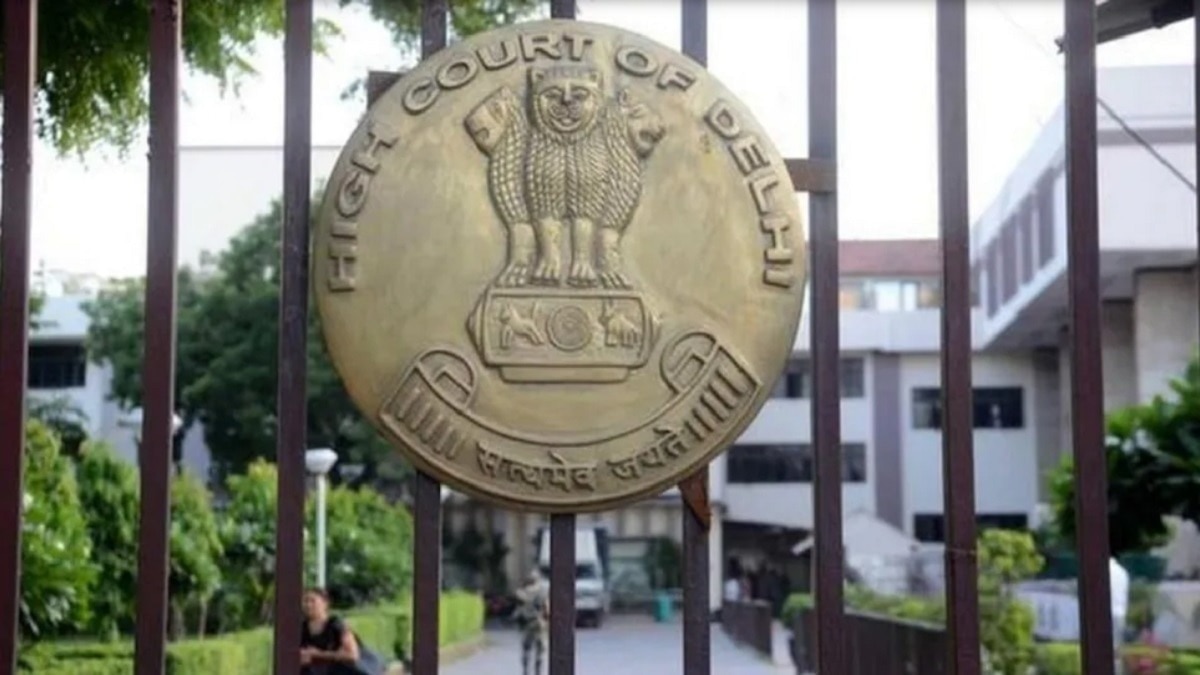
The Delhi High Court has designated the court of Judge Anu Grover Baliga as a Specially Designated fast-track court to exclusively hear criminal cases arising out of question paper leaks and the use of unfair means in public examinations. The notification comes hours after Prime Minister Narendra Modi announced that fast-track courts would be established to ensure speedy trials and strict action against those involved in examination paper leak cases, placing the Delhi High Court among the first to operationalise the move. Read Full Story In a notification issued late on Thursday, the High Court administration said the court of judicial officer Anu Grover Baliga would function as a "Specially Designated Fast Track Court" to try offences under the Public Examinations (Prevention of Unfair Means) Act, 2024, along with connected criminal offences.
The designated court will operate from the Rouse Avenue Court Complex and will take immediate effect. The notification marks a significant step towards implementing the Prime Minister's announcement on creating dedicated courts to deal with examination-related offences. It is aimed at ensuring the swift disposal of criminal cases linked to paper leaks and other unfair practices that have raised concerns over the integrity of public recruitment and entrance examinations. PM MODI ON PAPER LEAKS Earlier in the day, amid continuing protests by students over the alleged NEET paper leak, Prime Minister Modi reiterated that the welfare and future of the country's youth remained the government's highest priority. Announcing the decision to establish fast-track courts, he said the government had decided to ensure "swift and stringent punishment" for those involved in paper leaks.
"Nothing is more important than the welfare and future of our youth," the PM said in a post on X. "We have decided to set up fast-track courts to ensure swift and stringent punishment for those involved in paper leaks. Have directed the concerned authorities and officials to take all necessary steps in this regard. This continues our series of steps for safeguarding the interests of students. Those who try to harm the future of our youth will not be spared," he added. The Prime Minister's announcement also renewed attention on the constitutional framework governing fast-track courts. While the Union government can formulate policy, extend financial support and encourage states to establish such courts, the creation and functioning of subordinate courts fall within the jurisdiction of state and Union Territory governments in consultation with their respective High Courts.
 The BriefWire