America’s deepest man-made lakes were created by flooding ancient river valleys behind massive dams; here’s the list
List of America’s deepest man-made lakes Rank Reservoir State/location Maximum depth 1 Lake Oroville California 690 feet 2 Dworshak Reservoir Idaho 650 feet 3 New
List of America’s deepest man-made lakes Rank Reservoir State/location Maximum depth 1 Lake Oroville California 690 feet 2 Dworshak Reservoir Idaho 650 feet 3 New Bullards Bar Reservoir California 620 feet 4 Lake Powell Arizona and Utah 583 feet 5 Lake Mead Arizona and Nevada 532 feet 6 Shasta Lake California 517 feet 7 Carters Lake Georgia More than 450 feet 8 Fontana Lake North Carolina 440 feet 9 Flaming Gorge Reservoir Utah and Wyoming 436 feet 10 Lake Koocanusa Montana and British Columbia 348 feet Deepest man-made lakes in the US Lake Oroville Dworshak Reservoir New Bullards Bar Reservoir Lake Powell and Lake Mead Shasta Lake Carters Lake Fontana Lake Flaming Gorge Reservoir Lake Koocanusa The hidden landscapes beneath America's largest reservoirs Deepest man-made lakes in the United States were not created by nature but by engineering on an enormous scale. Before these reservoirs existed, many were steep river valleys and rugged canyons carved over thousands of years. During the 20th century, massive dams blocked flowing rivers, allowing water to fill these landscapes and form deep reservoirs that now provide drinking water, generate hydroelectric power and help control flooding.Their depth is not fixed, however. Water levels rise and fall with changing weather, drought and demand, meaning the deepest point is reached only when the reservoirs are full. Measuring them at maximum capacity offers the clearest picture of which artificial lakes are truly the deepest in the country.Explore the 10 deepest man-made lakes in the United States, according to WorldAtlas.Lake Oroville sits in the foothills of Northern California and reaches a maximum depth of 690 feet when completely full. The reservoir was created after the construction of Oroville Dam on the Feather River, a project that became one of the most important parts of California’s water system.The reservoir covers more than 15,000 acres and has a shoreline stretching for more than 160 miles.Its steep underwater terrain is a reminder that the lake occupies a river valley rather than a naturally formed basin.Dworshak Reservoir reaches depths of around 650 feet, making it the second-deepest man-made lake in the country.
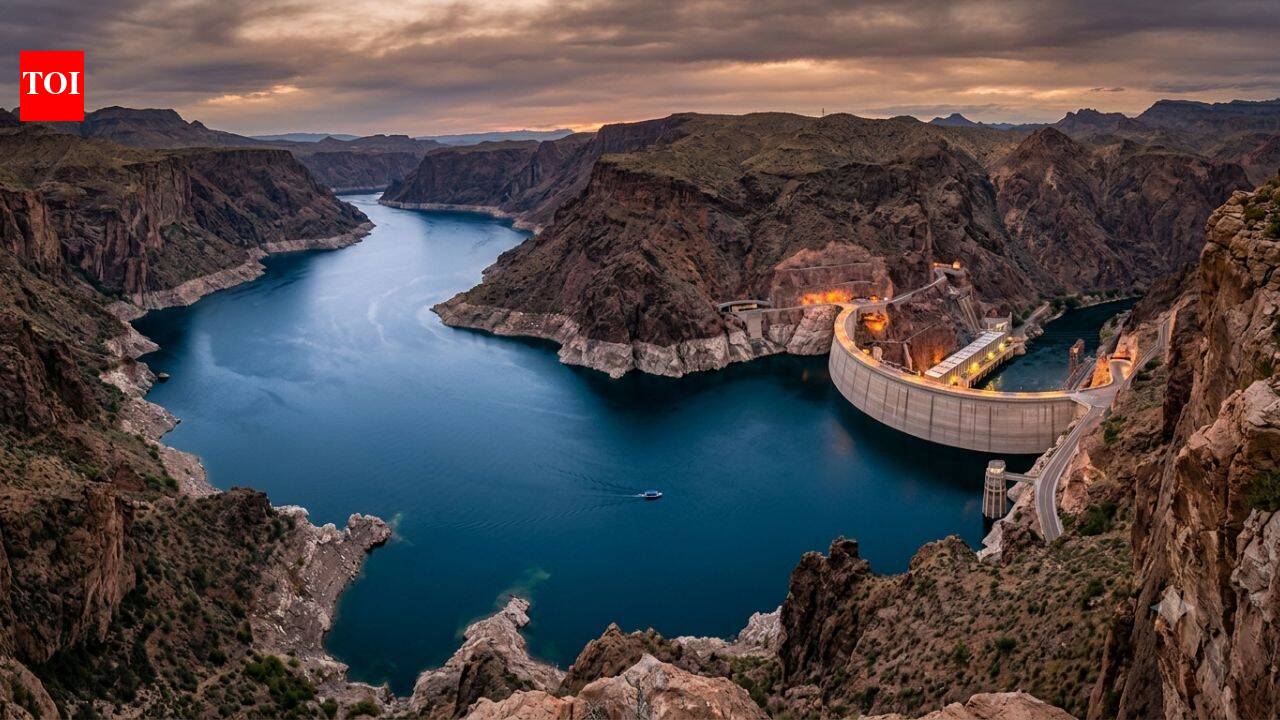
Located along the North Fork of the Clearwater River, the reservoir extends deep into the forested landscape of northern Idaho.The reservoir was formed by Dworshak Dam, one of the tallest dams in the United States. Construction was completed in the 1970s, mainly to provide flood control and hydroelectric power.Unlike many busy recreational lakes, Dworshak retains a remote character. Its long, narrow shape follows the original river canyon, with mountains rising around much of the shoreline. Fishing, boating, and hiking remain popular activities, particularly because large sections of the surrounding landscape remain undeveloped.In northern California, New Bullards Bar Reservoir reaches 620 feet at its deepest point. The lake was created by the New Bullards Bar Dam on the Yuba River and serves several roles, including water storage, flood management, irrigation support, and power generation.The reservoir stretches for roughly 15 miles through forested foothills near the Tahoe and Plumas Forests. Much of its appeal comes from the contrast between the deep blue water and the rugged terrain surrounding it.The lake also attracts visitors for boating, fishing, camping, and hiking. Some trails climb away from the shoreline into higher forest areas, offering views of a landscape that was dramatically reshaped after the valley was flooded.The Colorado River is home to two of the most recognised reservoirs in the United States. Both were built to manage water supplies in the arid Southwest, where rivers must support millions of people, farms, and industries.Lake Powell reaches a maximum depth of about 583 feet near Glen Canyon Dam. The reservoir began filling in the 1960s after the dam was completed, eventually creating one of the largest artificial lakes in the country by surface area.Its unusual shape comes from the flooded canyons of the Colorado River system.
 The BriefWire