Pakistan Will Export 60,000 Tonnes Of Rice To China. But How Is Cash-Strapped Islamabad Managing It?
Pakistan Will Export 60,000 Tonnes Of Rice To China. But How Is Cash-Strapped Islamabad Managing It? Published By, Last Updated: July 23, 2026, 21:41 IST
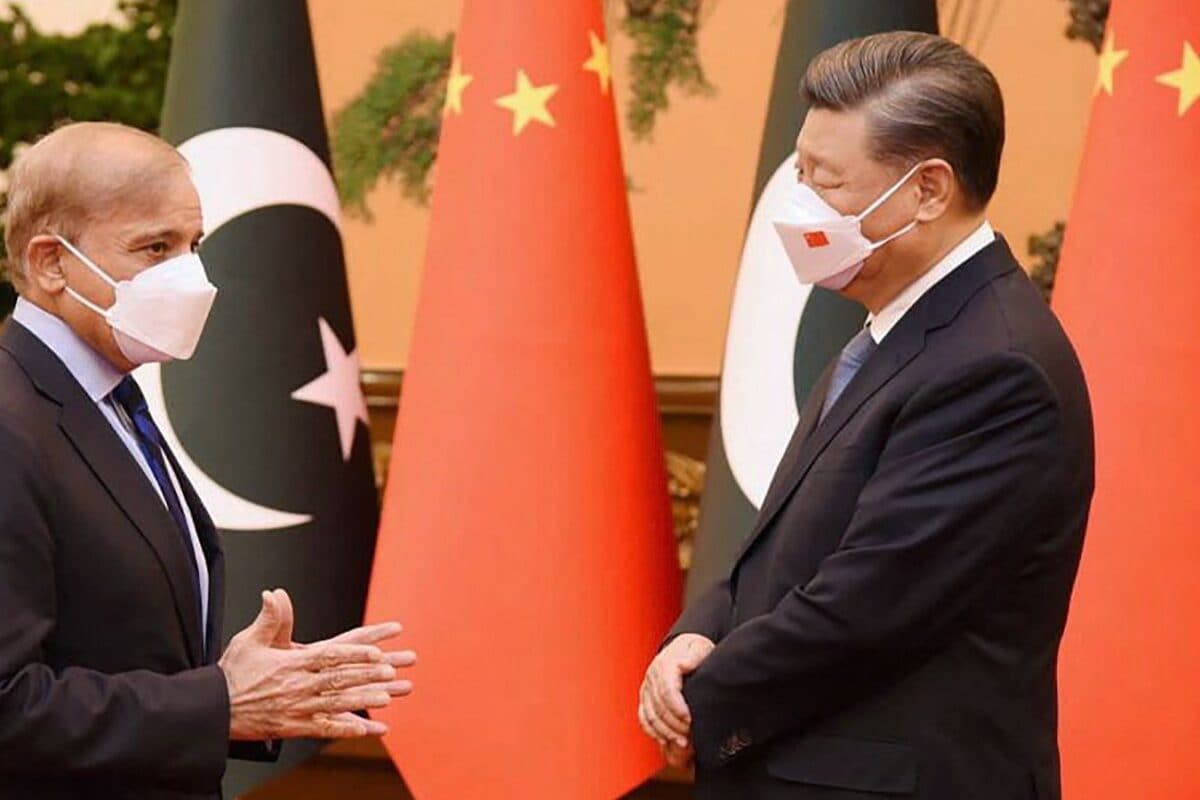
Pakistan Will Export 60,000 Tonnes Of Rice To China. But How Is Cash-Strapped Islamabad Managing It? Published By, Last Updated: July 23, 2026, 21:41 IST Pakistan is exporting massive rice volumes to China—but why is a cash-strapped country sending so much abroad? The answer reveals a deeper economic strategy. Rapid Read Shahbaz Sharif-led Pakistan will be sending 60,000 tonnes of rice to China. How are they managing it. (Image source: AFP) Pakistan will export 60,000 tonnes of rice to China’s Guangzhou and Shenzhen provinces this year, as Islamabad looks to expand its footprint in one of the world’s largest food markets. This raises the question of why and how Pakistan, itself a resource-strapped country, is exporting this huge amount to China. The deal, signed by the Rice Exporters Association of Pakistan (REAP), could generate export orders worth between $300 million and $400 million, according to the trade body. A 20-member REAP delegation is currently in China until July 28 to firm up agreements and deepen trade ties. Vice chairman Javed Jilani said the visit had been “very productive," pointing to strong demand for imported rice in China.
Pakistan plans to export both Basmati and non-Basmati varieties under the new arrangements. The move marks a sharp scale-up from the previous year, when Pakistan exported $124 million worth of rice to China in 2025-26 fiscal year. Why Pakistan Is Pushing Rice Exports To China The export push reflects Islamabad’s broader strategy to boost foreign exchange earnings and reduce reliance on traditional markets. With global demand shifting and competition rising, China offers a large and relatively under-tapped market for Pakistani agricultural goods. For Pakistan, increasing rice exports is also about stabilising its economy. Rice is one of the country’s top export commodities after textiles, contributing around $2 billion annually. Expanding sales to China helps diversify revenue streams and cushion against volatility in Western markets. There is also a strategic dimension. Strengthening agricultural trade aligns with Pakistan’s deepening economic ties with China, particularly under long-standing bilateral cooperation frameworks. Jilani added that Pakistan is now eyeing further expansion beyond rice. “We will also soon start exporting corn to China as they have begun registering Pakistani traders for corn," he said.
How Is Pakistan Managing This It may seem counterintuitive, but Pakistan’s decision to export large volumes of rice despite domestic constraints is driven by a mix of economic necessity and structural advantage. First, rice is one of the few sectors where Pakistan consistently produces a surplus. The country is a major global exporter of both Basmati and non-Basmati rice, meaning domestic needs can still be met even after large export commitments. Second, exports like these are critical for Pakistan’s fragile economy. The country faces persistent foreign exchange shortages, and agricultural exports are a key way to bring in dollars. In simple terms, selling rice abroad helps Pakistan pay for essential imports like fuel, machinery, and food items it cannot produce in sufficient quantities. Third, China represents a stable and expanding market. Unlike more volatile Western markets, long-term agreements with Chinese provinces provide predictable demand and pricing. This reduces risk for Pakistani exporters and ensures steady revenue flows. News18 Newsletter Handpicked stories, in your inbox A newsletter with the best of our journalism submit Key Questions Answered Will Pakistan expand other agricultural exports to China?
 The BriefWire