Indus Waters Check: River Discharges Within Safe Limits, No Alerts Issued By India To Pakistan | Exclusive
Indus Waters Check: River Discharges Within Safe Limits, No Alerts Issued By India To Pakistan | Exclusive Reported By, Last Updated: July 23, 2026, 17:34
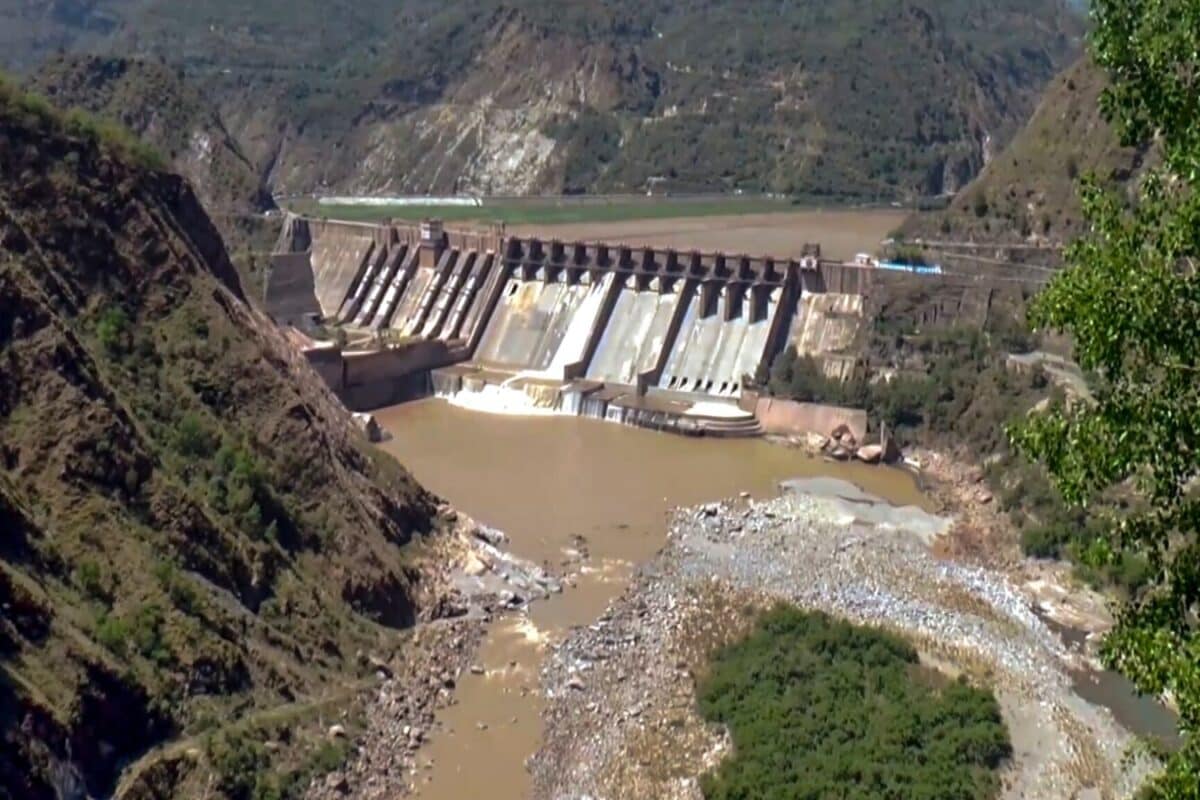
Indus Waters Check: River Discharges Within Safe Limits, No Alerts Issued By India To Pakistan | Exclusive Reported By, Last Updated: July 23, 2026, 17:34 IST India shared 23 flood warnings with Pakistan during the 2025 flood season, an arrangement that remains operational for 2026, government sources said Official measurements recorded by India as of 9:00 AM on July 23, 2026, confirm that river flows remain within manageable limits. Representational image/PTI Current river discharge levels across major transboundary rivers remain well below prescribed thresholds for extraordinary discharge or high flood conditions, official government sources told CNN-News18 on Thursday. As water levels across key monitoring sites do not meet the requisite communication benchmarks, no flood warnings have been issued to Pakistan, they added. Under Article IV(8) of the Indus Waters Treaty (IWT), flood data sharing is required only during extraordinary discharges or high flood flows capable of impacting the downstream nation. Although India placed the treaty in abeyance in April 2025—effectively relieving it of statutory treaty obligations—New Delhi has maintained humanitarian communications on extraordinary flood events at designated terminal sites along the Chenab, Tawi, Ravi, and Sutlej rivers.
In the absence of a defined threshold for “extraordinary discharge" within the original text of the treaty, India continues to adhere to established historical standards set by the Permanent Indus Commission. Demonstrating this commitment, India shared 23 flood warnings with Pakistan through the High Commission of India during the 2025 flood season, an arrangement that remains operational for 2026. Official measurements recorded by India as of 9:00 AM on July 23, 2026, confirm that river flows remain within manageable limits. On the Chenab River, where the Indian communication threshold at Akhnoor is set at 300,000 cusecs, the measured flow stood at 122,000 cusecs, having reached a maximum of 243,800 cusecs on July 22. This compares with Pakistan’s publicly available data of 275,608 cusecs at Marala. Along the Tawi River in Jammu, where the communication threshold is 75,000 cusecs, current flows were recorded at 11,050 cusecs, down from a peak of 43,850 cusecs on July 22. Both the Ravi at Madhopur (threshold 200,000 cusecs) and the Sutlej at Ferozepur (threshold 150,000 cusecs) registered zero flow values today, well clear of Pakistan’s public figures of 34,000 cusecs at Jassar and 5,000 cusecs at Ganda Singh, respectively.
 The BriefWire