'Iran Will Pay Very Heavy Price': Marco Rubio's 'A Head For An Eye' Response To Araghchi As Tension Escalates
'Iran Will Pay Very Heavy Price': Marco Rubio's 'A Head For An Eye' Response To Araghchi As Tension Escalates Published By, Last Updated: July 23
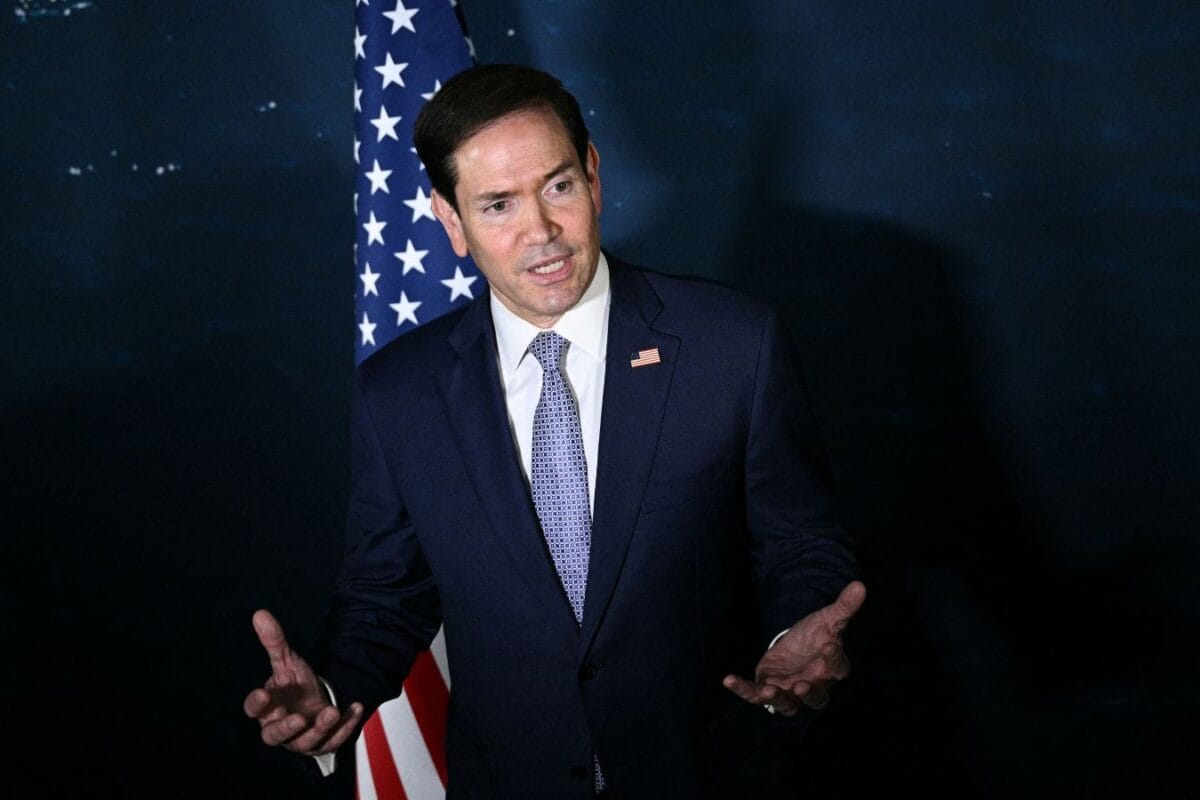
'Iran Will Pay Very Heavy Price': Marco Rubio's 'A Head For An Eye' Response To Araghchi As Tension Escalates Published By, Last Updated: July 23, 2026, 17:37 IST Marco Rubio warned Iran would pay a "very heavy price" if it continued threatening the US and regional security. News18 US Secretary of State Marco Rubio on Thursday issued a sharp warning to Iran, saying Tehran would face severe consequences if it continued its current approach towards the United States. Speaking to reporters on the sidelines of the ASEAN Summit in Manila, Rubio compared the policies of the two sides, referring to remarks by Iranian Foreign Minister Abbas Araghchi. “Araghchi says their policy is an eye for an eye. Trump’s policy is a head for an eye. They will pay a very heavy price," Rubio said. His remarks come at a time of heightened tensions between Washington and Tehran, with both sides exchanging strong statements following months of military escalation and diplomatic deadlock. Marco Rubio on Iran:Araghchi says their policy is an eye for an eye. Trump’s policy is a head for an eye. They will pay a very heavy price.
pic.twitter.com/Nu0I6jSBNt — Clash Report (@clashreport) July 23, 2026 Iranian Foreign Minister Abbas Araghchi recently warned that Tehran would respond with an “eye for an eye" if the US carried out further attacks on Iranian infrastructure. He also said any new American military action would trigger a strong and proportionate response. Iran has also warned that any attempt to disrupt its oil exports could lead to wider disruption of shipping through the Strait of Hormuz, one of the world’s busiest energy routes. Tehran has continued to accuse Washington of escalating the conflict through repeated airstrikes, while insisting that its military actions are in response to US aggression. Earlier on Wednesday, Rubio had warned the member countries of the Association of Southeast Asian Nations (ASEAN) that they too could face the risk of blockades at key maritime routes if Iran succeeds in setting such a precedent. Speaking during a meeting with ASEAN foreign ministers, Rubio defended Washington’s actions in West Asia and blamed Tehran for the worsening security situation in the region, describing it as the “troublemaker of the region." Rubio also said the United States is working closely with Saudi Arabia to counter threats posed by Yemen’s Houthi rebels, an Iran-backed group, to the Bab el-Mandeb Strait — a vital shipping route linking the Red Sea and the Arabian Sea.
“At the gist of that issue is the fact Iran is in the middle of it. Talking about the troublemaker of the region, it’s Iran," he said, as reported by Al Jazeera. He further pointed to Iran-backed groups, including the Houthis and Hezbollah, saying they continue to destabilise the region. According to Rubio, the activities of these proxy groups reinforce Washington’s view that Iran remains at the centre of the ongoing regional security challenges. News18 Newsletter Handpicked stories, in your inbox A newsletter with the best of our journalism submit Key Questions Answered What are the potential economic impacts of Strait of Hormuz disruptions? Disruptions to the Strait of Hormuz can lead to massive oil shortages, soaring fuel prices, and global economic disruption. Approximately 20% of the world's traded oil and a significant share of LNG typically flow through the Strait. How might other nations react to escalating US-Iran tensions? The Association of Southeast Asian Nations (Asean) has expressed "serious concern" over renewed US-Iran hostilities, urging restraint and a return to dialogue. UN Secretary-General Antonio Guterres warned the US and Israel to end hostilities that are spiraling out of control.
 The BriefWire