Only 863 Fast Track Courts set up against 1,800 target
Prime Minister Narendra Modi's announcement that the government will set up fast-track courts (FTCs) to ensure speedy trials in paper leak cases has brought renewed
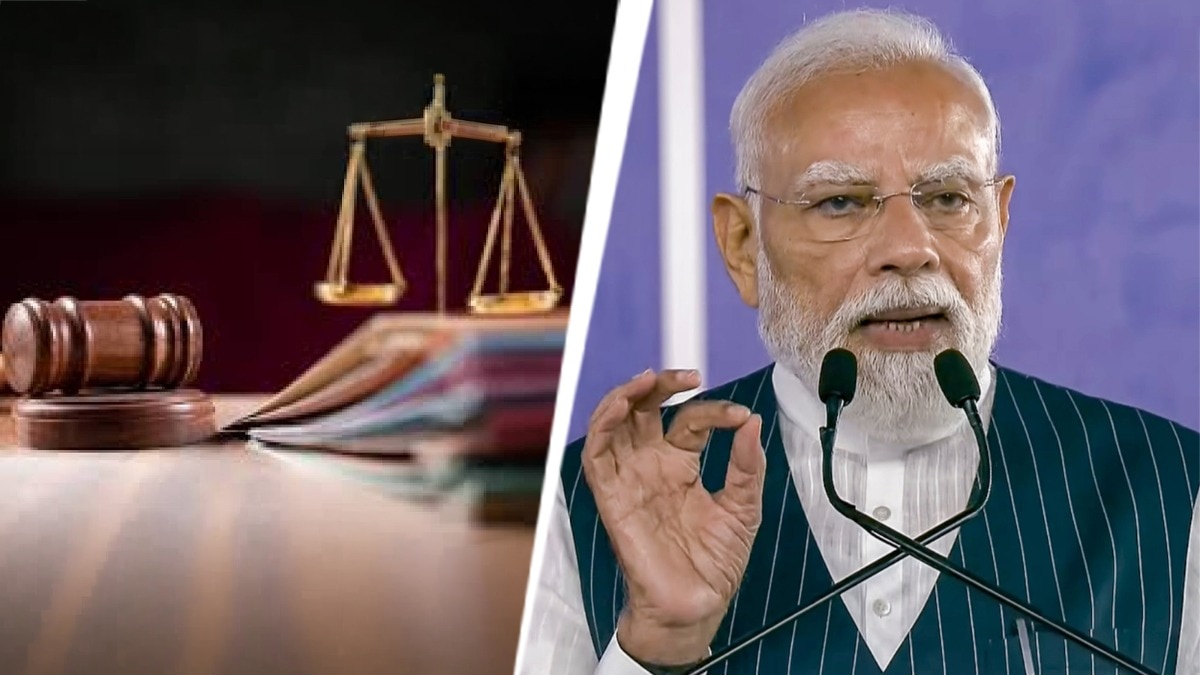
Prime Minister Narendra Modi's announcement that the government will set up fast-track courts (FTCs) to ensure speedy trials in paper leak cases has brought renewed attention to a judicial mechanism designed to expedite cases of national importance. In his first direct remarks linked to the Cockroach Janta Party's (CJP) protests over the NEET-UG paper leak, the PM on Thursday said the government had decided to establish fast-track courts to ensure "swift and stringent punishment" for those involved. Read Full Story "Nothing is more important than the welfare and future of our youth," PM Modi said in a post on X. "We have decided to set up fast-track courts to ensure swift and stringent punishment for those involved in paper leaks. Have directed the concerned authorities and officials to take all necessary steps in this regard. This continues our series of steps for safeguarding the interests of students. Those who try to harm the future of our youth will not be spared." The announcement has turned the spotlight on how fast-track courts are constituted, who is responsible for setting them up, and whether the Centre can establish them on its own.
WHO SETS UP FAST-TRACK COURTS? The establishment and functioning of subordinate courts, including fast-track courts, fall within the jurisdiction of state and Union Territory governments, which act in consultation with their respective High Courts. State governments are also responsible for allocating funds for these courts based on their requirements and available resources. WHAT HAS BEEN CENTRE'S POSITION? The Union government has consistently maintained that states should establish more fast-track courts to reduce judicial delays. The 14th Finance Commission recommended setting up 1,800 fast-track courts during the 2015-20 period for the speedy trial of specific categories of cases. These include heinous criminal offences, civil disputes involving women, children, senior citizens, persons with disabilities, persons suffering from terminal ailments, and property-related cases pending for more than five years. The Commission urged state governments to utilise the enhanced fiscal space created through higher tax devolution to fund these courts. The Union government also asked states and Union Territories to allocate funds for setting up fast-track courts from the 2015-16 financial year onwards. According to government data, states and Union Territories had established 863 fast-track courts as of October 31, 2024, against the recommended target of 1,800.
The Centre has repeatedly urged states and UTs since 2015-16 to establish more fast-track courts to achieve the target. WHO APPOINTS JUDGES AND COURT STAFF? The responsibility for filling vacancies of judicial officers in district and subordinate courts, including fast-track courts, rests with state governments and the respective High Courts. Under the constitutional framework, state governments frame rules for the recruitment and appointment of judicial officers in consultation with the High Courts under Articles 233 and 234, read with the proviso to Article 309 of the Constitution. The recruitment of prosecutors and court staff for these courts also falls under the responsibility of state governments and the respective High Courts. WHO CONTROLS FAST-TRACK COURTS? Administrative control over district courts and subordinate courts vests in the High Courts under Article 235 of the Constitution. Article 235 empowers High Courts to exercise control over district courts and courts subordinate to them. This includes posting and promotion of judicial officers, granting leave to members of the state judicial service holding posts inferior to that of a district judge, and overall administrative supervision of subordinate courts.
 The BriefWire