Intelligence Blindspots, Interstate Infiltration: How Peaceful Students' Protest Spiralled Into Chaos | Exclusive
Intelligence Blindspots, Interstate Infiltration: How Peaceful Students' Protest Spiralled Into Chaos | Exclusive Reported By, Last Updated: July 23, 2026, 14:22 IST Sources say security
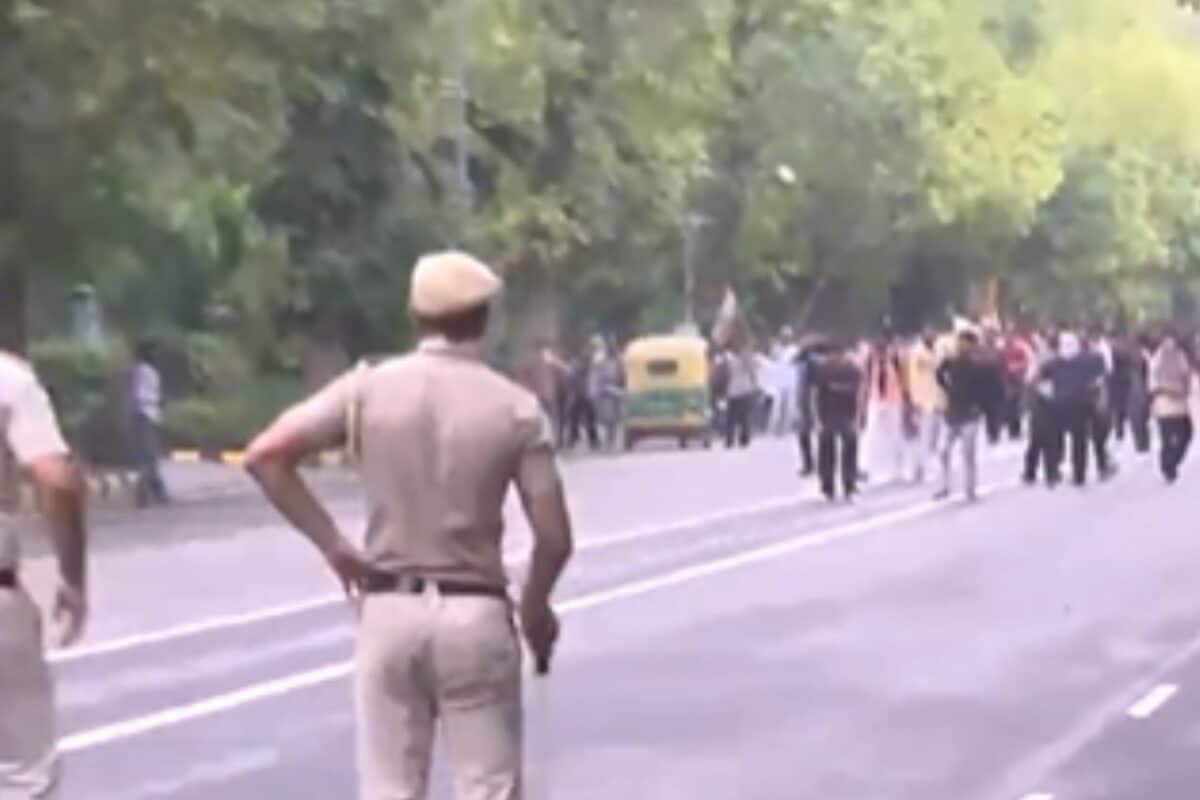
Intelligence Blindspots, Interstate Infiltration: How Peaceful Students' Protest Spiralled Into Chaos | Exclusive Reported By, Last Updated: July 23, 2026, 14:22 IST Sources say security agencies had reportedly anticipated a turnout of around 7,000 to 8,000 protesters at Jantar Mantar. Instead, the gathering swelled to over 50,000 people. Rapid Read Delhi Jantar Mantar Protest: Protestors pelting stones at police A peaceful 20-day sit-in by NEET-UG aspirants and social activist Sonam Wangchuk at Delhi’s Jantar Mantar was allegedly hijacked in its final phase by external groups, exposing significant intelligence and security lapses, according to an internal assessment accessed by CNN-News18. The assessment, prepared after the July 20 violence in the national capital, suggests that what began as a largely peaceful agitation gradually transformed into a confrontation after organised groups allegedly infiltrated the protest in the final 48 to 72 hours. Security agencies are now probing whether the escalation was spontaneous or part of a wider coordinated effort. According to sources, one of the biggest failures was the intelligence assessment of the crowd size. Security agencies had reportedly anticipated a turnout of around 7,000 to 8,000 protesters. Instead, the gathering swelled to over 50,000 people, overwhelming the deployment and leaving law enforcement on the back foot.
The note also points to intelligence blindspots beyond Delhi. According to sources, intelligence units in neighbouring states allegedly failed to detect or report the coordinated movement of thousands of demonstrators towards the capital in the days leading up to the march. Investigators believe that while the original protest remained peaceful, groups known for participating in confrontational demonstrations gradually entered the venue. According to the assessment, unruly elements allegedly stockpiled stones, sticks and other objects near Jantar Mantar ahead of the July 20 “Sansad Chalo" march, despite prohibitory orders being in force. Sources further claim that as these groups became more influential, the moderate leadership lost effective control over the crowd. This allegedly resulted in attempts to push demonstrators towards high-security zones despite repeated restrictions imposed by authorities. The internal assessment also raises concerns over the use of technology during the unrest. According to sources, conventional mobile internet restrictions had limited impact because some organisers may have relied on offline, peer-to-peer Bluetooth mesh networking applications to maintain communication after cellular services were disrupted. Agencies are examining whether such communication tools enabled coordination even during telecom restrictions. Investigators have also flagged the role of social media. According to sources, several influencers with large online followings – but no direct connection to the education movement – posted high-impact mobilisation videos shortly before internet restrictions came into force.
 The BriefWire